
Published Date: Sep 20, 2025
Written by: Emma Cyrus, Senior Copy, Content & Editorial Writer
Reviewed by: Monika Popescu, Senior Interior Designer at FCI London
Edited by: Zoona Sikander, Interior Design Writer & Social Media Content Creator
Estimated Reading Time: 12 minutes
TLDR: Sleeping in a recliner can offer remarkable benefits for those with specific health conditions like acid reflux, sleep apnea, or back pain. The elevated position promotes better digestion, reduces snoring, and may alleviate discomfort. However, this alternative sleeping arrangement isn't without drawbacks - potential joint stiffness, limited sleeping positions, and possible sliding concerns should be considered. This comprehensive blog explores whether recliner sleeping might be suitable for your particular circumstances, providing genuinely practical advice for making an informed decision about this rather intriguing sleep solution.
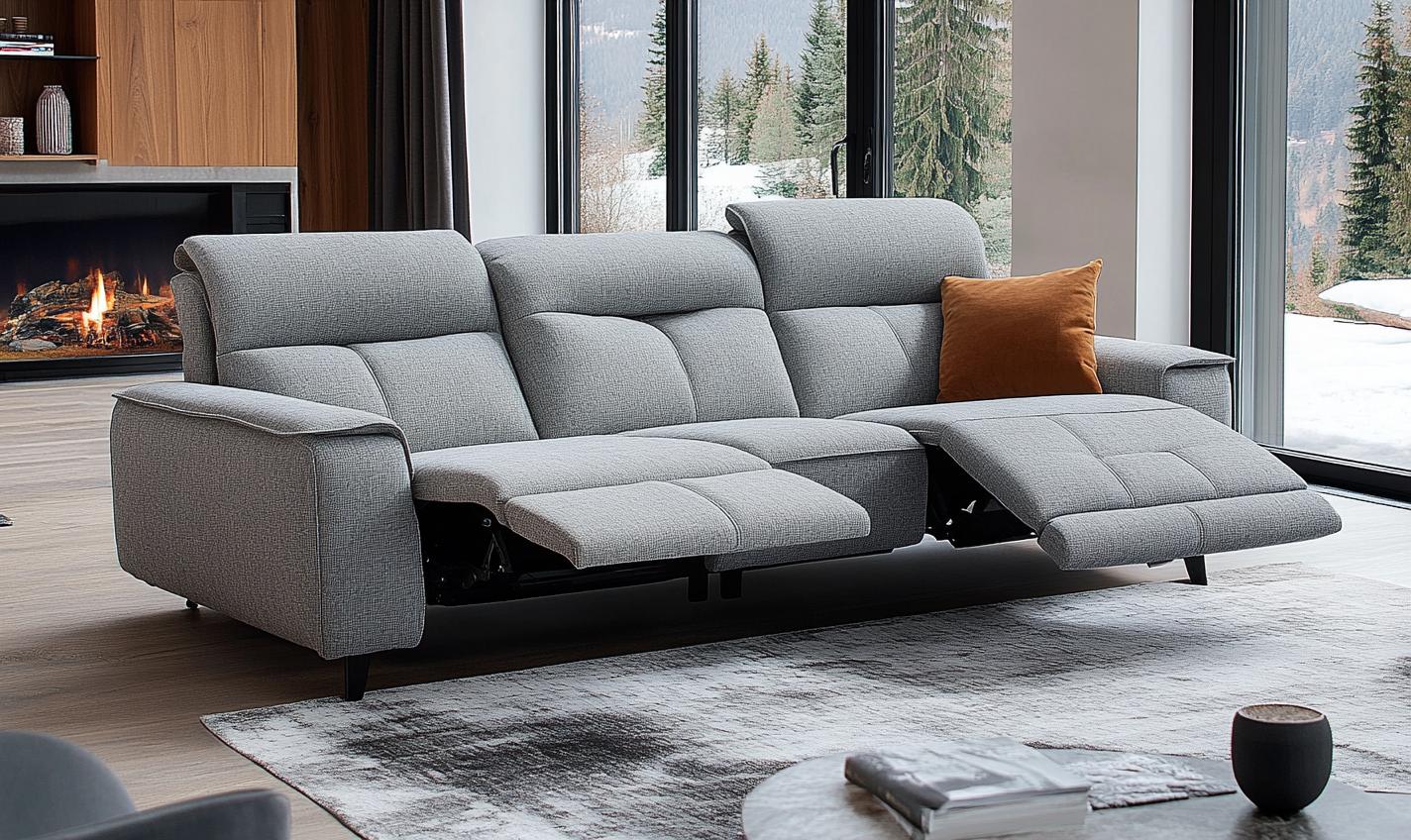
Table of Contents
If you're someone with specific health concerns like acid reflux, sleep apnea, or back pain, this guide to recliner sleeping is particularly for you. Interior designers working on accessible living spaces will also find these insights rather helpful for client recommendations. We've thoroughly examined the benefits and limitations of this alternative sleeping arrangement, known for its therapeutic potential and space-saving qualities. When traditional beds simply won't do, understanding these considerations delivers the informed choice your wellbeing truly deserves.
Let's uncover insights in this blog focused on: "Pros and Cons of Sleeping in a Recliner: Is it Good for You?" - a question that has garnered increasing attention in recent years.
Sleep, that essential elixir of wellbeing, profoundly influences our physical and mental health. While traditional beds have served as our primary resting places for generations, the humble recliner has emerged as a rather intriguing alternative for those seeking different sleep solutions.
The appeal of sleeping in a recliner chair has grown considerably, offering unique benefits from alleviating specific medical conditions to potentially providing more supportive rest experiences. For some, luxury sofas with reclining features have become more than just seating options – they've transformed into alternative sleeping arrangements.
However, before you rush to replace your bed with a recliner sofa, it's worth considering both sides of the equation. Potential drawbacks include spatial limitations, possible physical discomfort over time, and the risk of exacerbating certain health issues.
Join me as we thoroughly examine the pros and cons of sleeping in a recliner, helping you determine whether this alternative might be suitable for your specific needs and circumstances.
Key Takeaway: Recliners have evolved beyond mere seating into viable sleep solutions, particularly for those managing specific health conditions. Before making the switch, weighing both therapeutic benefits and practical limitations ensures you make the right choice for your circumstances.
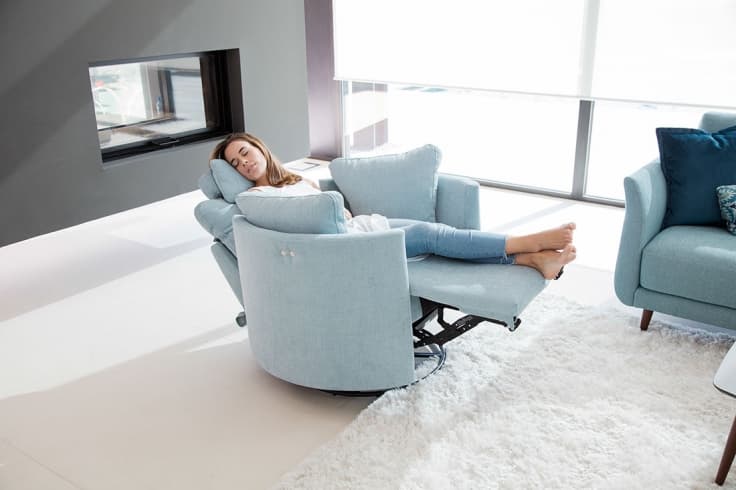
One of the most compelling benefits of sleeping in a recliner is the elevated position it provides for your head and torso. This slight incline can significantly mitigate acid reflux and heartburn, conditions caused by stomach acid flowing back into the oesophagus.
Those familiar with these uncomfortable sensations understand that they occur when the lower oesophageal sphincter fails to create a proper seal during digestion, resulting in that characteristic burning sensation and discomfort.
As gravity tends to worsen this condition when lying completely flat, the gentle incline of a recliner can provide welcome relief without requiring special bed adjustments or multiple pillows.
Sleeping on a recliner can remarkably reduce snoring and moderate forms of obstructive sleep apnea. By elevating the upper body, the airways remain more open, significantly decreasing breathing difficulties throughout the night.
Interestingly, research indicates that nearly 60% of individuals with sleep apnea also experience acid reflux and GERD, suggesting that an upright sleeping position might simultaneously address multiple related conditions.
An interesting study in 2021 examined the effects of recliners with rocking mechanisms on sleep efficiency. Researchers concluded that these features positively impacted rest quality, even for participants with diagnosed sleep disorders, making recliners a potentially optimal choice for those struggling with sleep issues.
Many back pain sufferers discover that a recliner offers easier entry and exit compared to traditional beds, particularly models equipped with lifting mechanisms. If you do opt for sleeping in a recliner, supporting your lower back with an additional pillow can enhance comfort significantly.
Healthcare professionals sometimes recommend recliner sleeping following certain abdominal or back surgeries. The inclined position can accelerate healing by reducing strain on surgical incisions and allowing for more comfortable rest during recovery periods.
The gently sloped position of a recliner can enhance blood circulation throughout the body. After spending hours standing or sitting, our legs endure considerable stress; elevating them in a recliner can prevent swelling and reduce the risk of developing conditions like deep vein thrombosis (DVT) during extended periods of inactivity.
Improved blood flow also contributes to overall relaxation, promoting calmer breathing and providing your nervous system with much-needed respite – essential elements for quality sleep.
For those residing in compact flats or simply wishing to maximise their living space, a recliner chair for sleeping can be a brilliant space-saving solution compared to traditional beds.
If you're convinced about investing in a recliner for sleeping purposes, I'd recommend reading our comprehensive guide on how to choose a good recliner.
Key Takeaway: The elevated position of a recliner offers genuine relief for acid reflux, sleep apnea, and back pain whilst improving circulation and requiring less floor space than traditional beds. For those with specific health concerns, this alternative sleeping arrangement can deliver measurably better rest quality.
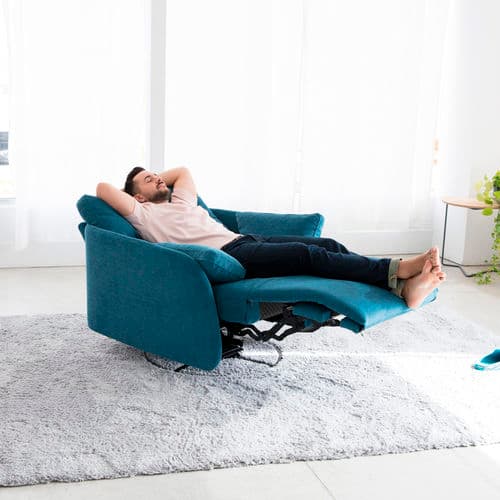
While sleeping in a recliner offers numerous benefits and is generally considered safe for most people, it's not without potential drawbacks. Here are the considerations worth pondering:
When sleeping in a recliner, your knees and hips remain in a bent position throughout the night. Over time, this fixed posture may impact your overall alignment, potentially leading to stiffness in your hips, calves, and hamstrings.
Additionally, recliners may not distribute body weight as evenly as a properly designed mattress. This uneven distribution could create pressure points that impede healthy blood circulation, particularly during extended sleeping periods.
The restricted range of sleeping positions in a recliner significantly limits your natural movement during sleep. This constraint may lead to disrupted sleep patterns as your body cannot shift positions as freely as it would on a traditional bed.
Most recliners weren't specifically designed for full nights of sleep, creating the possibility of sliding down or even falling off during deeper sleep cycles. This safety concern becomes particularly relevant for elderly individuals or those with mobility limitations.
While recliners can effectively manage some health issues, they might worsen others. If you have respiratory or cardiovascular conditions, it's essential to consult with a healthcare professional before adopting a recliner as your primary sleeping arrangement.
For those who prefer spacious sleeping environments or experience claustrophobia, the confined nature of a recliner might prove uncomfortable. The limited space also makes sharing with a partner virtually impossible, unlike a traditional bed.
These considerations underscore the importance of evaluating individual needs and existing health conditions before committing to sleeping in a recliner. While they may provide significant relief for some, conventional beds might offer better flexibility and support for others seeking quality rest.
Key Takeaway: Fixed positioning throughout the night may lead to joint stiffness and restricted movement, whilst safety concerns like sliding and exacerbation of certain conditions require careful consideration. The confined space and limited sleeping positions make recliners unsuitable for everyone, particularly those who value freedom of movement during sleep.
Selecting the right recliner for sleeping requires rather more consideration than you might initially think. The key lies in understanding that not all recliners are created equal, particularly when it comes to extended rest periods.
A quality recliner should cradle your spine's natural curves, offering adjustable lumbar support that accommodates your unique posture. Look for models with memory foam components that conform to your body without losing their shape over time.
Smooth, whisper-quiet motors are essential for nighttime adjustments, whilst multiple reclining positions allow you to find that perfect sweet spot between upright and fully reclined. The best models offer infinite positioning rather than predetermined stops.
Hardwood frames with reinforced joints ensure longevity, whilst high-density foam cushioning maintains its supportive properties through years of use. Leather or high-quality fabric upholstery not only elevates the aesthetic but also proves more durable for daily sleeping arrangements.
Measure both your room and yourself - the recliner should accommodate your height comfortably when fully extended, with adequate clearance behind for reclining without hitting walls. Consider models with wall-hugging features if space is particularly tight.
Whether manual or electric, the reclining mechanism should operate effortlessly. Electric models offer superior convenience for nighttime adjustments, though manual versions provide reliable simplicity without dependence on power sources.

Key Takeaway: Quality construction, proper lumbar support, and smooth positioning mechanisms separate exceptional recliners from mediocre ones. Investing in hardwood frames, high-density foam, and appropriate dimensions ensures your recliner serves you well for years of comfortable rest.
If you've decided that sleeping in a recliner suits your needs, here are some practical tips to enhance your comfort:
Transforming your recliner into a genuinely comfortable sleeping environment requires thoughtful preparation and a few strategic adjustments.
The optimal sleeping position typically ranges between 30-45 degrees from horizontal. Too upright and you'll struggle to relax; too reclined and you might as well be in bed. Experiment with different angles to discover what feels most natural for your body.
A cervical pillow designed for neck support can make the difference between waking refreshed or with a crick that lasts all day. Position it to maintain your neck's natural curve whilst preventing your head from tilting too far forward or backwards.
A small lumbar cushion can enhance lower back comfort, whilst a pillow between your knees helps maintain hip alignment. Resist the temptation to over-pillow, however - too much support can create as many problems as too little.
Recliners can trap heat more than traditional beds, so opt for breathable fabrics and lighter covers. Keep a lightweight throw within reach for temperature adjustments throughout the night.
Just as you would with a traditional bed, create sleep rituals that signal rest time. Dim the lights, adjust your position gradually, and perhaps indulge in some gentle stretching before settling in.
If you find yourself gradually sliding down during sleep, consider a small cushion at the foot of the recliner or adjust the angle slightly more upright. Some find that wearing pyjamas with slightly more grip prevents unwanted movement.
The secret to successful recliner sleeping lies in treating it with the same attention to detail you'd lavish on any other aspect of your home environment - after all, quality rest deserves quality preparation.
Key Takeaway: Finding your optimal recline angle and supporting your body with strategically placed pillows transforms a recliner into a genuinely restful sleep environment. Temperature management and consistent bedtime routines further enhance comfort, ensuring you wake refreshed rather than stiff.
At FCI London, we offer an exceptional selection of beds, recliners and sofa beds designed to provide optimal sleep quality. Here are two luxurious recliner options worth considering:
The Moonrise XL recliner by Fama offers generous proportions that can accommodate two people, perfect for those cosy evenings with a loved one. Its thoughtfully designed double headrest and curved arms create a snug cocoon effect, providing exceptional support for extended rest periods. The remote-controlled positioning system allows for precise adjustments to suit your specific comfort needs.

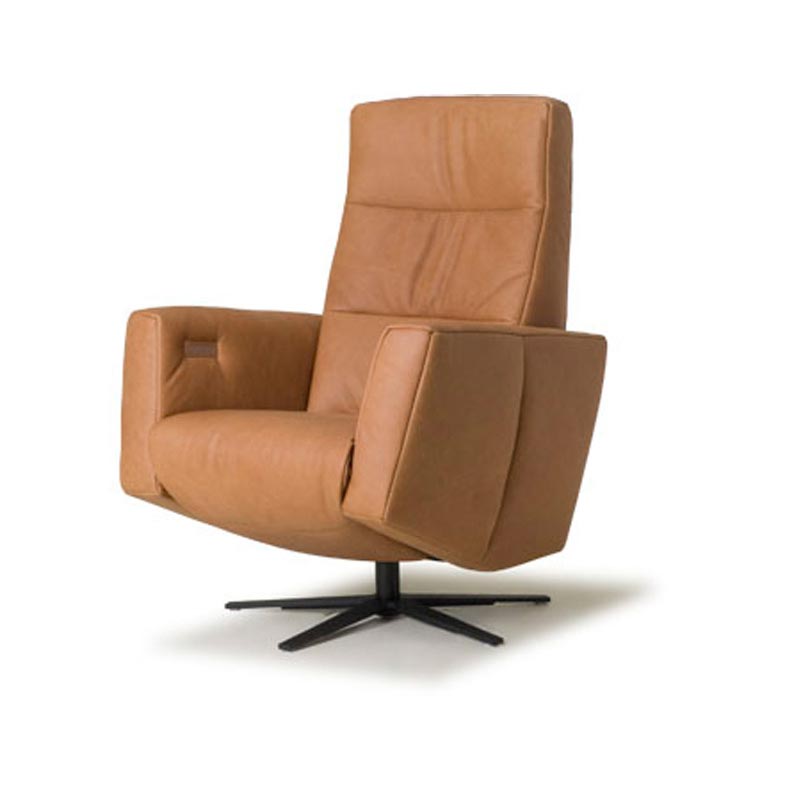
Sitting Benz, renowned for its craftsmanship, produces exceptional recliners tailored to contemporary lifestyles. Their TW106 model incorporates innovative features specifically designed to reduce cardiac stress. This fully customisable, ergonomic recliner provides substantial lumbar support and comes in a diverse range of colours, dimensions, and styles to complement any interior scheme.
Key Takeaway: FCI London's curated selection includes thoughtfully designed recliners like the Moonrise XL and TW106, offering superior comfort and customisation for serious sleep seekers. These luxury pieces combine ergonomic innovation with sophisticated aesthetics, proving that therapeutic furniture needn't compromise on style.
Generally speaking, sleeping in a recliner is perfectly safe, provided you find it comfortable and restful.
For individuals with specific conditions like sleep apnea, GERD, or back pain, a recliner may actually provide superior sleep quality compared to a conventional bed.
To maximise comfort during recliner sleep, consider using additional blankets for warmth and extra pillows to support your back and neck, ensuring a restful experience whether for a brief nap or a full night's sleep.
Key Takeaway: Sleeping in a recliner proves perfectly safe when it enhances your rest quality, particularly for those managing GERD, sleep apnea, or chronic back pain. Listen to your body's response and adjust your setup accordingly to maximise comfort and therapeutic benefits.
The pros and cons of sleeping in a recliner: Is it good for you? The answer largely depends on your individual circumstances. For many people with specific health conditions, a high-quality recliner sofa bed or recliner chair for sleeping can provide significant benefits and improved rest. However, it's important to consider potential drawbacks like joint stiffness and limited sleeping positions.
If you're wondering, "Are recliners bad for your back?" – the answer isn't straightforward. For some individuals, particularly those with certain types of back pain, recliners can provide welcome relief. For others, traditional beds might offer better support. Listening to your body's response is the most reliable guide.
Can sleeping in a recliner help with specific medical conditions?
Absolutely. Recliner sleeping can be rather beneficial for those suffering from acid reflux, sleep apnea, and certain types of back pain. The elevated position helps reduce stomach acid backflow, keeps airways more open, and may provide better spinal alignment for some individuals. However, it's always advisable to consult with your healthcare provider before making significant changes to your sleeping arrangements.
What features should I look for in a recliner if I plan to sleep in it regularly?
When selecting a recliner for regular sleeping, prioritise models with excellent lumbar support, high-quality padding that won't compress quickly, smooth reclining mechanisms, and appropriate dimensions for your body type. Luxury recliners with memory foam components and multiple position settings are particularly worth considering for their superior comfort during extended rest periods.
How can I make my recliner more comfortable for overnight sleeping?
To enhance your recliner sleeping experience, consider adding a specialised neck pillow for proper cervical support, using a lightweight blanket that won't restrict movement, placing a small lumbar cushion for lower back support, and experimenting with different recline angles to find your optimal position. These thoughtful adjustments can transform even a standard recliner into a genuinely comfortable sleeping environment.
Are there any long-term health concerns with sleeping in a recliner regularly?
While recliners can be beneficial for specific conditions, prolonged regular use may potentially lead to joint stiffness in some individuals due to the fixed bent position of knees and hips. Those with certain cardiovascular or respiratory conditions should be particularly cautious. It's genuinely important to monitor how your body responds over time and maintain regular consultations with healthcare professionals if you're using a recliner as your primary sleeping arrangement.
Address & Hours:
FCI London, Rays House, North Circular Road, London, NW10 7XP
Monday - Saturday: 10am - 6pm
Sunday & Bank Holidays: 11am - 5pm
Contact Details:
Phone: +442081531235
Email: [email protected]
What to Bring:
"I had an excellent experience with FCI. Their showroom offers an impressive selection of high-quality furniture and top international brands. The team provided outstanding service – knowledgeable, attentive, and genuinely helpful."
- Zlata Rybchenko
"I discovered FCI London almost 5 years ago, and I keep going back to them when I need to buy furniture. The team is fantastic, both the sales staff and the in-house designer were knowledgeable, helpful, and really took the time to understand my style."
- Nedelia Martin
"Ricardo at FCI provided great customer service with his expertise and advice. The quality of the chairs and bar stools is excellent and fits in with our kitchen/diner well."
- Carol O'Regan
We help designers & clients transform mundane spaces into extraordinary ones.


Book a video consultation and we'll advise you on furniture, space planning, colour schemes and much more.
Book A ConsultationBook a visit to our stunning, multi award-winning, 30,000 sqft.
Over 700 brands under 1 roof.






Most Popular on FCI London: Fitted Wardrobes | Luxury Designer Rugs | Luxury Sofas | Luxury Furniture Store | Luxury Interior Designers | Luxury Bedroom Furniture | Luxury Modern Chairs | Luxury Coffee Tables | Luxury Designer Kitchens | Luxury TV Units | Luxury Dining Tables | Luxury Storage Solutions | Luxury Sideboards | Luxury Stools & Bar Stools
Transparency isn’t a policy. It’s a principle.
Have a peek at what our clients really have to say.