
Published Date: Oct 05, 2025 | Last Updated: Jun 30, 2026
Written by: Emma Cyrus, Senior Copy, Content & Editorial Writer
Reviewed by: Shahnaz Hashim, Architectural Designer at FCI London
Edited by: Zoona Sikander, Interior Design Writer & Social Media Content Creator
Estimated Reading Time: 15 minutes
TLDR: Mixing and matching different sofa styles is a sophisticated design approach that creates visually captivating, personalised interiors. This comprehensive guide explores how to artfully combine contrasting sofas through shared textures, complementary colours, and balanced proportions. Whether pairing leather with fabric, modern with traditional, or bold colours with neutrals, you'll discover how to create cohesive, characterful spaces that reflect your unique style sensibilities. With these effective designer techniques, you'll transform your living space from predictably matched to genuinely curated.
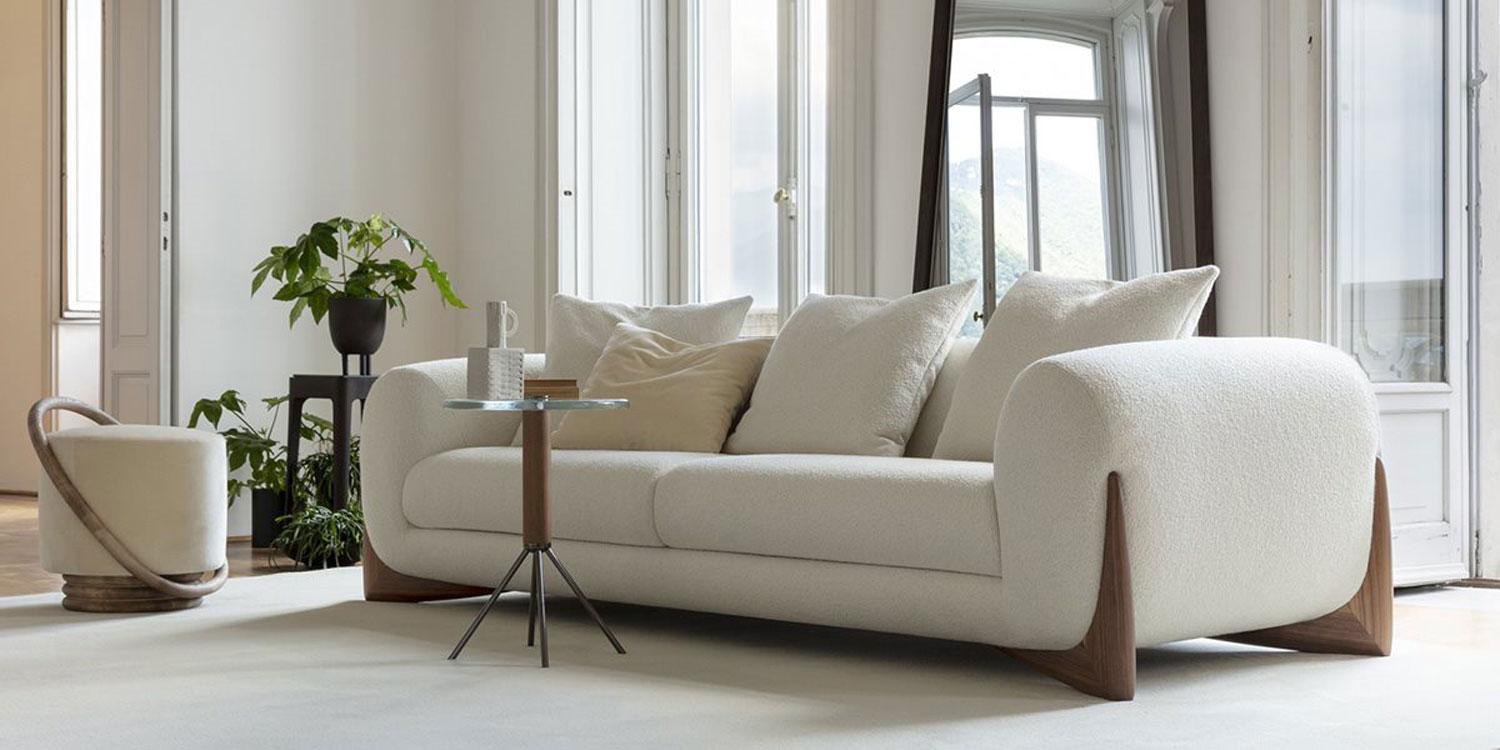
Table of Contents
There's a particular kind of confidence that comes from knowing your living room doesn't look like a furniture showroom floor. After twenty years of transforming London's finest homes, I've learnt that the most captivating interiors are those where carefully chosen luxury sofas sit alongside one another in apparent effortlessness, creating spaces that feel both curated and utterly lived-in. This guide distils that expertise into practical styling principles for homeowners and designers alike who understand that true luxury lies not in matching sets, but in the artful balance of complementary pieces that speak to one another across the room.
The formulaic approach of coordinated three-piece suites has had its day, quite frankly. What we're seeing in London's most sophisticated homes is something far more interesting: living spaces where a sculptural Italian sofa might anchor one side of the room whilst a sumptuous velvet piece grounds the other, each distinctive yet working in perfect harmony. It's a layered approach that requires both nerve and knowledge, understanding precisely which elements should echo one another and which should deliberately contrast.
My work with discerning clients across London has taught me that this styling technique isn't about randomly throwing together expensive pieces and hoping for the best. Rather, it's about understanding the underlying grammar of design: how scale relates to proportion, how texture converses with form, and how colour can either unite or beautifully fragment a space. Get it right, and you create rooms that feel personally yours rather than professionally staged. This article unpacks those professional principles into actionable guidance for creating your own distinctive, layered interiors.
Mix and match sofas to enjoy a thoroughly rewarding and creative design adventure. With a touch of understanding, a dash of creativity, and these expert tips, you can create a space that's both functional and visually captivating. Remember to embrace experimentation and remain open to unexpected combinations - you might be pleasantly surprised by how brilliantly different styles can complement one another.
Working within a single colour family allows maximum freedom in mixing styles, as colour unity permits dramatic contrasts in form and texture. This creates visual interest without venturing too far from your comfort zone.
A subtly sophisticated way to mix and match your furniture is to choose different sofa styles upholstered in the same fabric. This approach allows the distinctive details and silhouettes of each piece to shine through while creating a harmonious overall look. Consider tying your pieces together further by selecting similar finishes for the legs or base of each sofa.
Here's another delightful option for your living room arrangement. Drawing rooms offer the greatest freedom for sophisticated mixing. Combine a substantial traditional sofa with a pair of contrasting chairs, creating natural conversation groupings whilst showcasing your design confidence. This approach maintains a sense of cohesion whilst allowing you flexibility in your furniture selection, creating a balanced yet interesting composition.
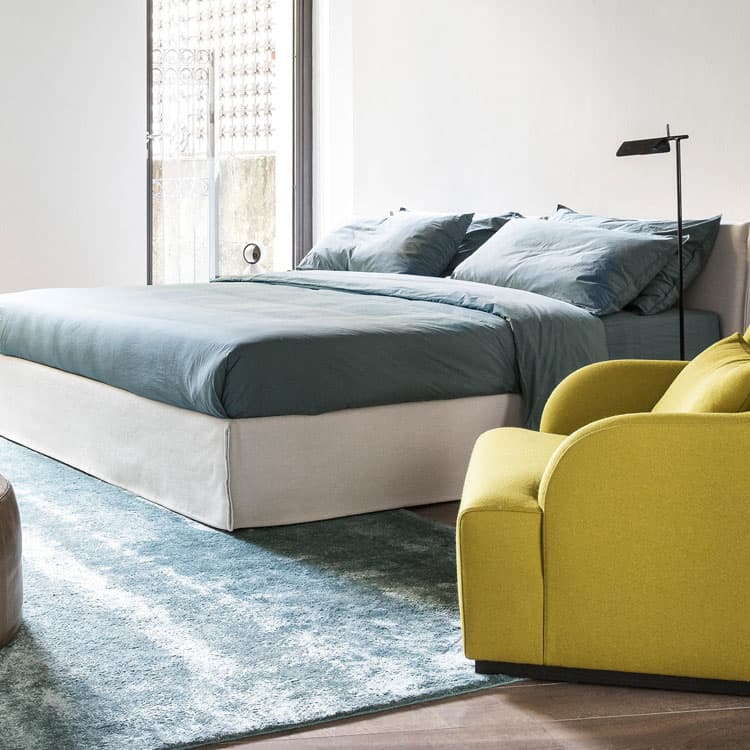
A nearly foolproof design strategy is pairing sofas in bold colours with those in neutral tones. Imagine a mustard yellow sofa alongside a deep bluish-green velvet piece, beautifully united by pale neutral chairs, walls, and an area rug. This approach creates a dynamic yet balanced space where your statement pieces can truly shine.
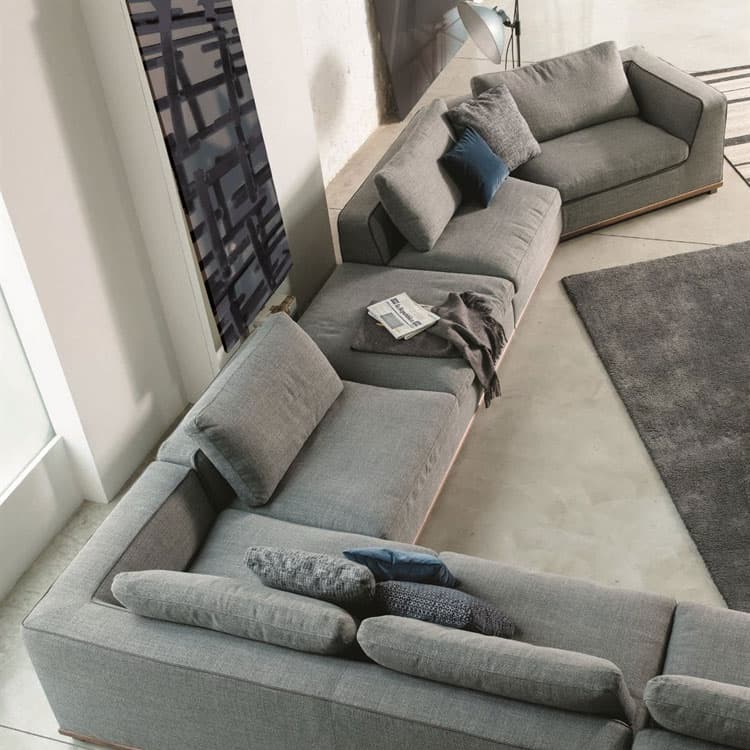
Sectionals typically appear as substantial sofas in a single upholstery colour or leather finish. However, if you appreciate the functionality of sectionals but crave a unique aesthetic, consider this approach: select covered sections in different colours and patterns, then add coordinating throw cushions to tie everything together for a truly bespoke seating arrangement.
Key Takeaway: The art of mixing sofa styles offers tremendous creative freedom while maintaining visual harmony. Whether through colour coordination, matching upholstery on different forms, or strategic pairing of statement pieces with neutrals, these approaches provide a rather sophisticated foundation for personalised interiors that feel genuinely curated.
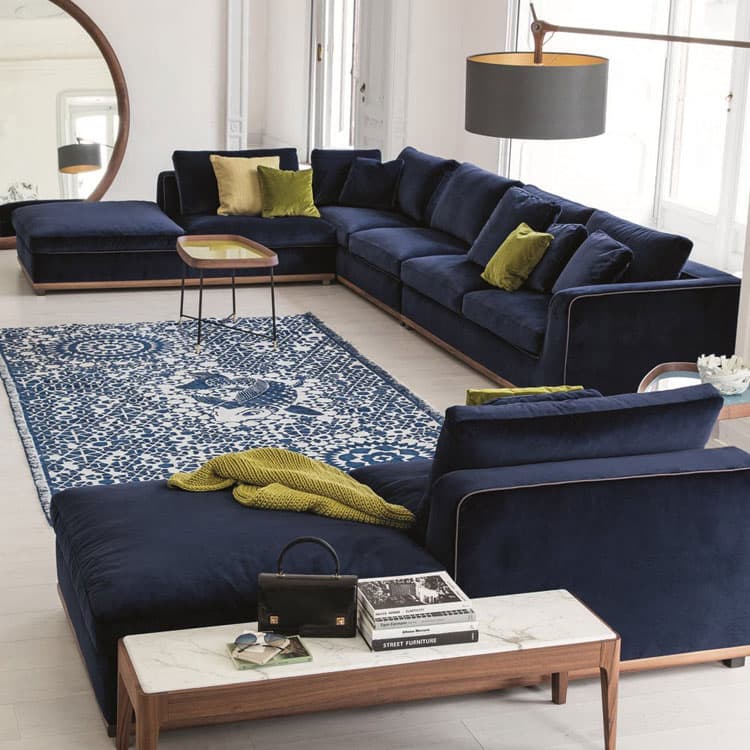
At first glance, introducing different sofa styles into a living room might seem rather challenging, but I assure you it's far more straightforward than you might imagine. The key is to consider each sofa as a foundation or base layer. Analyse the unique colours, textures and patterns of each seat, then determine which elements you wish to highlight in your overall scheme.
Once you've identified these focal points, begin creating visual interest and depth by introducing accessories that unite your mismatched sofas. As you shop, collect pillows and throws that feature design elements from your various seating pieces - perhaps a particular colour, pattern or textural quality. Distribute these thoughtfully throughout the living room to achieve a balanced, intentional design aesthetic that feels curated rather than chaotic.
For those who prefer a more minimalist approach, focus on a small detail that connects your sofas. A clever trick is to replace the feet with a matching set to subtly bring the different pieces into harmony. This minor adjustment can create a surprising sense of cohesion without sacrificing individuality.
Complete your arrangement by anchoring your two sofas in living room with a rug that incorporates elements from the different sofa styles. Position your furniture so that the front legs of all seating pieces rest on the rug, creating a unified conversation area.
Key Takeaway: When incorporating different sofa styles into a living room, focus on identifying connecting elements between pieces and reinforcing these through thoughtfully selected accessories. Unifying details like matching feet, coordinating cushions, and a well-chosen area rug creates a refreshingly cohesive arrangement while maintaining each piece's distinctive character.
.jpg)
Whether you're creating a bold maximalist statement or a serene minimalist sanctuary, following these five essential steps will help you achieve a cohesive look that makes your mismatched sofa styles appear thoughtfully curated rather than randomly assembled.
Start with a neutral base: Establish a neutral colour scheme for the room as your foundation, then build upon it. This approach simplifies the process of combining multiple styles without overwhelming the space.
Create a focal point: Design the room around one standout piece that will serve as the room's anchor. This central element contributes significantly to a unified appearance and gives the eye a place to rest.
Play with textures: Introducing varied textures adds depth and interest to your space. For instance, juxtaposing a sumptuous velvet sofa with a crisp linen piece creates a tactile dialogue that engages the senses.
Add a pop of colour: Introduce colourful accents that can serve as visual bridges between your different sofa styles. These might include artfully selected throw pillows, striking artwork, or a vibrant area rug that pulls everything together.
Be open-minded: Don't hesitate to experiment with unexpected combinations and remain receptive to surprising pairings. You might be astonished by how beautifully diverse styles can complement one another when given the chance.
Key Takeaway: Creating cohesion with mixed sofa styles relies on establishing a neutral foundation, designating a focal point, and introducing connecting elements through texture and colour. This structured approach allows for quite extraordinary creative freedom while ensuring the final arrangement feels intentionally designed rather than haphazardly assembled.
Maximising impact with mixed sofas requires understanding which elements should contrast dramatically and which should whisper in agreement. Consider scale relationships first: a substantially sized traditional Chesterfield in a modern loft creates intentional tension, its deep buttoning and rolled arms providing textural counterpoint to minimal architectural details. Conversely, pairing a sleek Flexform piece with ornate Georgian mouldings introduces contemporary sophistication into traditional architecture.
Material contrast generates the most immediate visual impact. We recently combined a glossy patent leather Natuzzi sofa, admittedly polarising, with a matte mohair velvet piece in a Belgravia residence. The sheen differential created dramatic interest whilst a shared deep blue colour family maintained cohesion. Most clients won't venture toward patent leather, but the principle applies equally to combining smooth leather with nubby bouclé, or slick silk velvet with textured linen.
Your connecting elements determine whether contrast reads as intentional or chaotic. In mixed arrangements, we typically unify through three methods: identical leg finishes (walnut throughout, or powder-coated metal in the same tone), coordinated cushion schemes that incorporate fabrics from both sofas, and area rugs that pick up tones from each piece whilst introducing a third unifying colour.
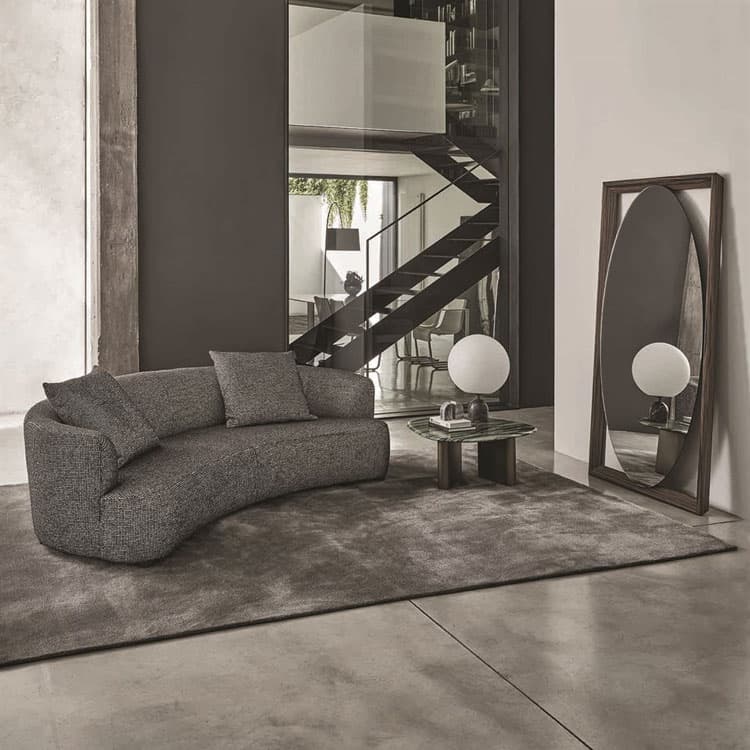
Statement pieces demand supporting players. If your primary sofa features distinctive details, pronounced curves, unusual proportions, bold pattern, your secondary piece should adopt a quieter role. We paired a dramatic curved Fendi Casa sofa with deliberately simple rectangular seating in neutral linen, allowing the curved piece its moment whilst the linen provided visual respite. The linen wasn't boring; it was editing, making space for the statement piece to truly perform.
Key Takeaway: When blending modern and traditional sofa styles, allow one aesthetic to take precedence while introducing complementary elements from the contrasting style. Maintaining consistent scale and proportion between pieces creates a rather sensible foundation for this sophisticated design approach, resulting in spaces with genuine character and depth.
Substituting sofas for conventional dining chairs can introduce warmth and dimension to your dining space, creating an atmosphere that feels simultaneously cosy and luxurious. The dining room offers a splendid opportunity to experiment with dramatic sofa combinations, provided you maintain consistency in proportions and colour selections.
Whichever sofas you select, keep these fundamental principles in mind as your guide:
Typically, standard sofas feature seats that sit lower than those of dining chairs. Consequently, in most instances, you'll need to elevate your sofas - either by replacing their legs with taller versions or positioning them on a raised platform - to ensure comfortable dining height.
Unrestricted movement is essential when dining. Sofas with arms may impede this freedom and create a somewhat claustrophobic ambience that could make mealtimes less enjoyable. Opt for armless designs or banquette-style seating for optimal comfort.
Not all upholstery materials are suitable for dining environments. For effortless maintenance, select sofas that can be easily cleaned with a damp cloth. Given the likelihood of food and beverage spills, choose mismatched sofas crafted from supple leather or practical synthetic fabrics.
The ideal dining posture allows one to lean forward comfortably to serve oneself. If your sofa features a deep seat, incorporate firm cushions to help your guests sit properly without having to repeatedly adjust their position throughout the meal.
Key Takeaway: Dining rooms present unique opportunities for incorporating mixed sofa styles, but require careful consideration of practical factors like seat height, arm design, and upholstery materials. When these functional aspects are thoughtfully addressed, the result is a genuinely inviting dining space with exceptional comfort and character.
When it comes to mix-and-match sofa ideas, embrace contrast as your greatest ally. Pair straight architectural lines with sensuous curves, dark upholstery with light, and bold statement colours with sophisticated neutrals. The key is ensuring these elements are unified through carefully selected décor pieces distributed throughout the room.
Don't shy away from selecting sofas that make a definitive statement. A generously proportioned, plush traditional sofa will create a magnificent focal point in a modern setting, while a sleek, contemporary sectional will introduce compelling visual tension in a traditional space.
The art lies in discovering balance and harmony that allows your pieces to integrate seamlessly with one another. Furthermore, never underestimate the transformative power of thoughtfully chosen accents. A striking area rug, distinctive scatter cushions, artistic lighting fixtures and sumptuous throws will help emphasise the aspects of your décor that you particularly cherish.
Key Takeaway: To maximise the impact of mixed sofa styles, embrace strategic contrast while maintaining visual balance through unifying elements. This approach creates spaces with quite extraordinary depth and character, where statement pieces can shine while contributing to a cohesive overall design narrative.
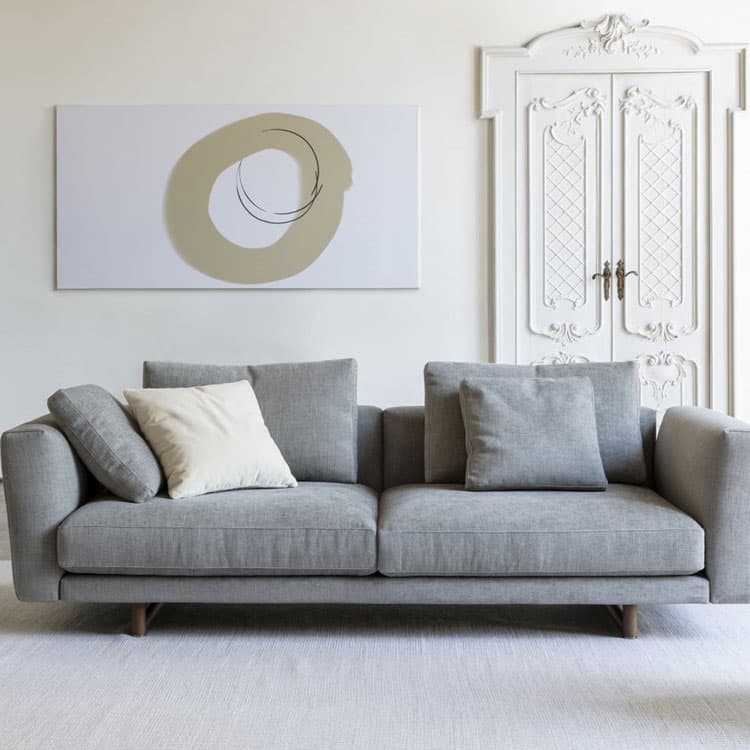
As interior design continues to move away from clinical all-white environments, we're witnessing more homeowners embracing vibrant colours for their furniture pieces - a trend I wholeheartedly applaud!
Do you have a particular colour that resonates with you? Consider selecting sofas in that hue but in varying shades or intensities. This presents a splendid opportunity to develop a sophisticated monochromatic scheme throughout your space. From walls to window treatments, rugs and accessories, you can carry this single colour family throughout the room, creating a bold yet cohesive design statement.
If you're working with a dual-colour scheme, I recommend consulting a colour wheel to inform your selections. This valuable tool will help you determine whether to pursue contrasting or complementary colour combinations for your mismatching sofas.
Some time-tested combinations that rarely disappoint include:
For those feeling particularly adventurous, consider a triad colour scheme by selecting three colours equidistant from each other on the colour wheel. Use two of these colours for your sofas, then introduce the third through your cushions and decorative accessories for a balanced yet dynamic composition.
Key Takeaway: Colour plays a pivotal role in successfully mixing sofa styles, whether through monochromatic variations, complementary pairings, or strategic triadic schemes. These colour relationships create visual connections between different pieces, resulting in arrangements that feel refreshingly cohesive despite their stylistic diversity.
.jpg)
The smaller scale of these rooms allows for more dramatic contrasts, as the intimate setting provides natural cohesion. Devote as much consideration to its styling as you would to any other room in your home. A spacious office presents the perfect opportunity to introduce two comfortable sofas, creating an ideal spot to step away from your desk for conversation, calls, or reading.
While there are no strict rules governing the patterns and textures you should select for your office sofas, I recommend adhering to colours that promote productivity and tranquillity. Beyond this consideration, feel free to express yourself through your furniture choices. Position a contemporary sofa alongside a timeless antique piece for an intriguing juxtaposition.
Remember that cohesion doesn't require matching - it simply demands thoughtful curation. Just as plaids and florals coexist harmoniously on fashion runways, so too can your diverse sofa styles. Consider these compelling combinations:
Key Takeaway: Home offices provide an excellent opportunity for experimenting with mixed sofa styles in a more contained environment. The intimate scale of these spaces allows for bolder combinations while focusing on colours that support productivity, creating a rather sensible foundation for this creative approach.
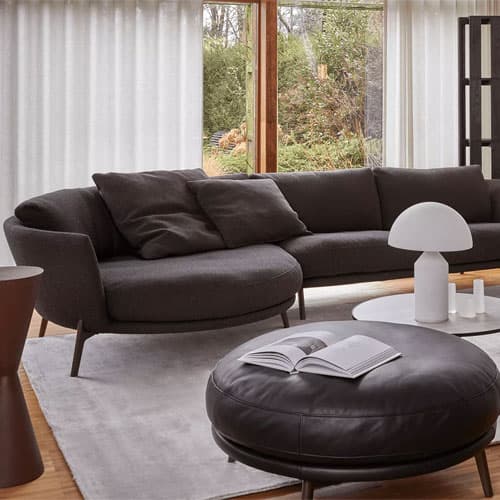
One of the most enduringly elegant sofa pairings combines a luxurious leather sofa with a sumptuously soft upholstered couch. This thoughtful juxtaposition introduces a welcoming elegance and captivating textural contrast to any living space.
This particular mix-and-match sofas approach offers the best of both worlds: a leather piece contributes richness and sophistication to your room, while a fabric sofa exudes comfort and inviting warmth. With both materials available in an extensive range of colours, textures, forms and styles, you can explore numerous combinations to discover what resonates most powerfully with your aesthetic sensibilities.
For those seeking high-quality, low-maintenance options, leather presents an excellent choice. Simply direct your little ones - or indeed, guests of any age - to the leather sofa whilst you relax in your favourite spot on your wonderfully cosy fabric couch.
Select pieces that are generally comparable in scale and silhouette, though you needn't be excessively precise. The contrast in materials will create sufficient visual interest without requiring dramatic differences in form.
Key Takeaway: The leather and fabric sofa combination represents one of the most successful mixed seating arrangements, offering complementary textures and practical benefits. This pairing creates quite an extraordinary balance of sophistication and comfort while providing practical solutions for everyday living.
Consider, too, the evolution of your space over time. Successful mixing should create a foundation that can accommodate future additions and changes. Observe how a single accent can transform how you mix and match sofas. Experiment, adjust, and allow your design to develop organically.
If your living room offers ample space, consider positioning your two contrasting sofas at a greater distance from one another to delineate distinct functional zones. The visual differences between the sofas will be subtly mitigated if the room's wall treatment remains consistent throughout the space.
Use lighting strategically to harmonise the differences between your sofas. Consistent, evenly distributed, warm and flattering illumination provides an effortless and economical method for unifying disparate elements.
Ensure your living room features sufficient direct and ambient lighting fixtures. Adjust task lighting in various areas of the room to maintain a consistent colour temperature throughout.
Coordinating mismatched sets becomes even more straightforward when working with a sofa and loveseat combination. Pair a statement loveseat with a complementary neutral-toned sofa, or vice versa. Another effective approach for integrating two unrelated pieces involves matching your window treatments to either the sofa or loveseat.
Key Takeaway: The art of mixing luxury sofa styles lies not in rigid coordination, but in creating thoughtful visual relationships through consistent elements like lighting, spatial arrangement, and selective accent matching. Our sophisticated approach at FCI recognises that successful eclectic design requires a foundation that can evolve gracefully, allowing your space to develop organically whilst maintaining the refined cohesion that distinguishes truly exceptional interiors.
The art of mixing luxury sofa styles ultimately serves a larger purpose - creating interiors that reflect your personality whilst providing the comfort and functionality your lifestyle demands. Mix and match sofa ideas provide a wonderful opportunity to tell a personal story through your home's design.
Now that you possess a deeper understanding of how to successfully combine different sofas, you can confidently begin exploring contemporary luxury sofas that will complement your individual style and practical requirements.
FCI boasts one of the most extensive collections of high-quality sofas available in the UK. With products sourced from around the globe and representing many of the most exclusive brands, we offer something to suit every aesthetic preference and design scheme.
Seeking professional guidance to begin your journey? Book a consultation either virtually or in person at our London showroom. With a portfolio spanning nearly 40 years of successful projects, an experienced FCI design specialist will collaborate with you to reimagine your space comprehensively, attending to even the smallest details.
Key Takeaway: Strategic placement, consistent lighting, and thoughtful combinations like statement-neutral pairings are rather helpful techniques for successful sofa mixing. These practical approaches allow you to create genuinely personalised interiors that evolve organically while maintaining visual harmony and functional excellence.
Can I mix leather and fabric sofas in the same room?
Absolutely! This is actually one of the most successful combinations in interior design. The textural contrast between a supple leather sofa and a soft fabric piece creates visual interest while offering practical benefits. For optimal results, maintain a similar scale between pieces and use cushions that incorporate elements from both sofas to create a rather cohesive arrangement.
How do I ensure my mismatched sofas look intentional rather than random?
The key is finding connecting elements between your different pieces. This might be a shared colour tone, complementary shapes, or similar leg styles. Distribute these connecting elements throughout your space using accessories like cushions, throws, and rugs. A neutral backdrop also helps tremendously, as it allows your mismatched pieces to appear genuinely curated rather than haphazardly assembled.
What's the most foolproof approach to mixing sofa styles for beginners?
Start with a neutral base sofa as your anchor piece, then introduce a smaller statement piece in a complementary colour or pattern. This creates a refreshingly balanced look without overwhelming the space. Another quite extraordinary beginner-friendly approach is selecting different sofa styles in the same upholstery fabric, which maintains cohesion while allowing for interesting variations in form.
Should mixed sofas be the same height and depth for a cohesive look?
While maintaining a similar scale is helpful, exact matching isn't necessary or even desirable. What's most important is considering the function of each piece and ensuring comfortable conversation arrangements. A slight variation in height and depth can actually create visual interest, though dramatic differences might disrupt the flow of your space. For dining applications, however, consistent seat height becomes rather more important for practical reasons.
Address & Hours:
FCI London, Rays House, North Circular Road, London, NW10 7XP
Monday - Saturday: 10am - 6pm
Sunday & Bank Holidays: 11am - 5pm
Contact Details:
Phone: +442081531235
Email: [email protected]
What to Bring:
"We had an excellent experience with FCI, right from walking into the showroom, exploring different brands, and finally receiving the product at home. We purchased a Gamma sofa for our living room, and Aziz was transparent and supportive throughout, guiding us with practical advice. Perla assured us the quality would match what was displayed, and delivery was on time. We enjoyed the process so much that we ordered a dining and centre table too. Thanks, Aziz and Perla!"
- Divya Arora
"I recently purchased a sofa and coffee table from FCI, and the entire experience was excellent. Aziz (Azim) quickly understood our needs, guided us with patience, and offered useful insights that helped us decide confidently. His service was outstanding, even ensuring our delivery arrived earlier than promised. A special thanks also to Narayan and Parameshwar from the FCI logistics team, whose prompt and friendly support made the process seamless. I highly recommend FCI for reliable, customer-focused service."
- Shalini Dongre
"FCI gave us excellent service when we needed a new sofa for our small living room. We required a sofa bed of the right proportions, and one that could be delivered up our narrow staircase. The team responded promptly to all our questions, explained everything clearly, and made sure the setup was handled smoothly on delivery day. Their efficiency and attention to detail were very reassuring throughout the process. Overall, I was extremely pleased and would highly recommend FCI anytime."
- Katherine Coates
We help designers & clients transform mundane spaces into extraordinary ones.


Book a video consultation and we'll advise you on furniture, space planning, colour schemes and much more.
Book A ConsultationBook a visit to our stunning, multi award-winning, 30,000 sqft.
Over 700 brands under 1 roof.



Most Popular on FCI London: Fitted Wardrobes | Luxury Designer Rugs | Luxury Sofas | Luxury Furniture Store | Luxury Interior Designers | Luxury Bedroom Furniture | Luxury Modern Chairs | Luxury Coffee Tables | Luxury Designer Kitchens | Luxury TV Units | Luxury Dining Tables | Luxury Storage Solutions | Luxury Sideboards | Luxury Stools & Bar Stools | Luxury Bespoke Joinery | Luxury Modern Hallway Furniture | Furniture Showroom Appointment | Luxury Lighting | Modern Luxury Outdoor Furniture
Transparency isn’t a policy. It’s a principle.
Have a peek at what our clients really have to say.