
Published Date: Feb 19, 2026
Written by: Emma Cyrus, Senior Copy, Content & Editorial Writer
Reviewed by: Christine Scott, Senior Interior Designer at FCI London
Edited by: Zoona Sikander, Interior Design Writer & Social Media Content Creator
Estimated Reading Time: 11 minutes
TLDR: Selecting the perfect material for your wardrobe doors is a rather crucial decision that impacts both aesthetics and functionality. This expert guide examines the strengths and limitations of MDF, particle board, plywood, solid wood, and glass options for luxury wardrobes. Each material offers distinct advantages - from MDF's smooth paintable surface to solid wood's timeless elegance and glass's contemporary appeal. The ideal choice depends on your specific requirements, interior style, and practical considerations like humidity resistance and maintenance preferences.
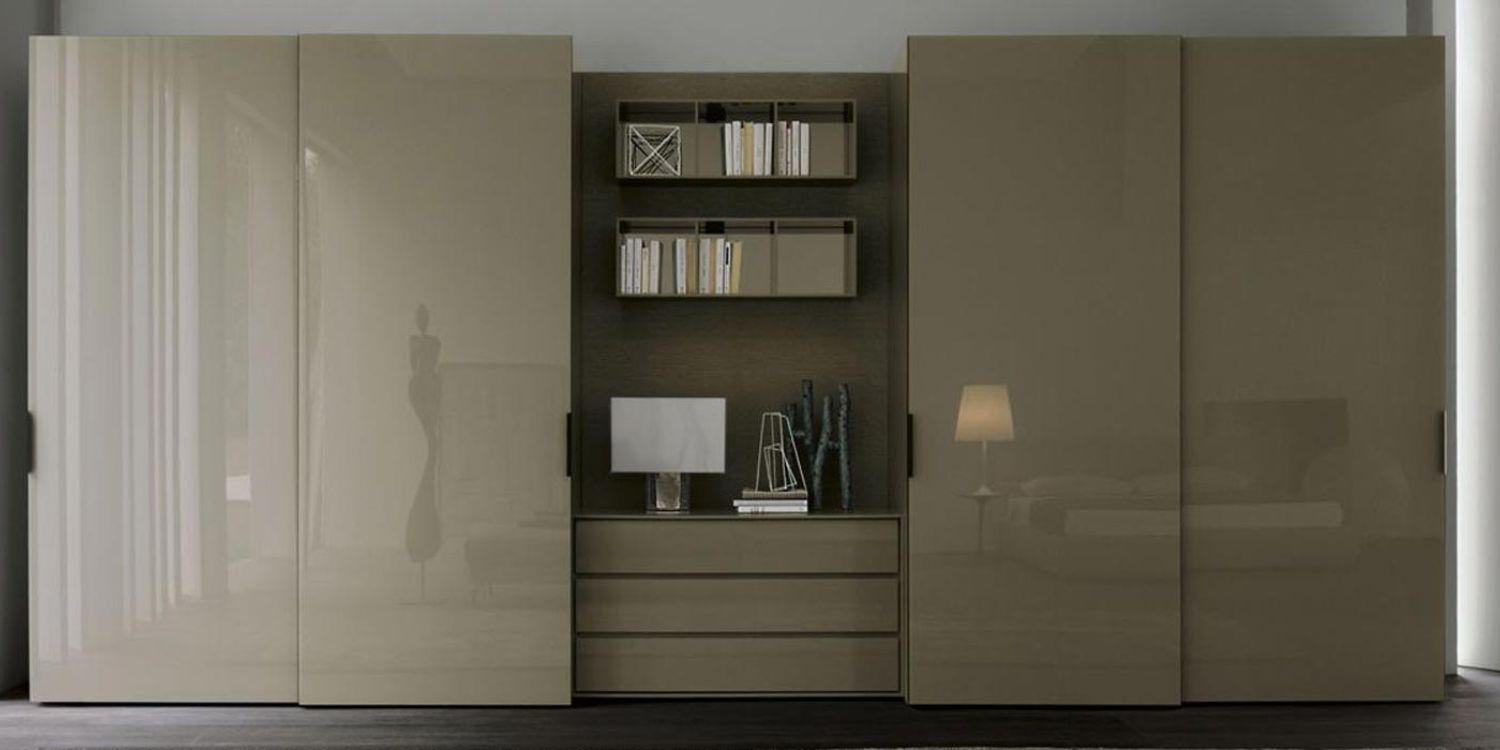
Table of Contents
If you're a discerning homeowner in London or the Home Counties seeking to elevate your bedroom storage with luxury wardrobe doors, this expert guide is genuinely for you. Interior designers managing premium residential projects will also find these material recommendations rather helpful for client consultations. We've meticulously analysed the strengths and limitations of each option, from timeless solid wood to contemporary glass finishes, known for their exceptional craftsmanship and aesthetic versatility. When only the finest will do, these material choices deliver the sophisticated elegance your bespoke wardrobe truly deserves.
The wardrobes in modern homes are rarely mere storage solutions. In the luxury residences that I've designed across the UK, these substantial pieces define the character of the space whilst serving practical needs that extend far beyond hanging clothes. The material you select for your wardrobe doors shapes not only the aesthetic of your room but also influences how you interact with the space daily.
During my two decades designing bespoke storage solutions for discerning clients, I've observed how wardrobe doors function as architectural elements that can either elevate or diminish a room's sophistication. The right material choice creates visual continuity, reflects your personal aesthetic, and provides the tactile quality that transforms functional furniture into a considered design statement. This prominence demands thoughtful material selection that harmonises with your interior whilst addressing practical considerations, unique to your lifestyle and the specific demands of your space.
If you're in the midst of selecting a fitted wardrobe design, you've likely thought about which material is best for the doors. The answer isn't straightforward and depends on several factors, including your desired wardrobe style, its intended location, and your budget constraints.
Feeling overwhelmed by the myriad of choices? Not to worry! At FCI, we've been crafting and installing the most stunning luxury fitted wardrobes for nearly four decades now. Our wardrobe specialists possess intimate knowledge of all available wardrobe door materials and can expertly guide you through the advantages and limitations of each option.
Allow me to present our comprehensive guide to the most sought-after materials that will assist you in making the perfect selection for your space.
The market offers a diverse array of materials, which can certainly make the selection process rather daunting. Below, I'll outline the most commonly utilised options.
Beyond the core materials comprising the doors, you'll also have various finish options to consider, including lacquered, matt, or even the luxurious touch of eco-leather. For those seeking something truly unique, fabric-covered doors offer a distinctive textile dimension to your storage solution.
The Decision Matrix: Rate each material option against your priorities using a simple scoring system. Weight categories according to personal importance, aesthetic appeal might carry greater significance for some, whilst durability takes precedence for others. This structured approach prevents emotional decisions that might not serve long-term satisfaction.
Key Takeaway: When selecting wardrobe door materials, consider both practical and aesthetic requirements. The five primary options - MDF, particle board, plywood, solid wood, and glass - each offer distinct advantages. A structured decision matrix approach helps prioritise what matters most for your specific situation, ensuring a choice you'll appreciate for years to come.
Let's examine the advantages and disadvantages of each option to determine the best material for your wardrobe doors:
Key Takeaway: MDF offers exceptional versatility for painted finishes at a reasonable price point, making it perfect for contemporary designs requiring smooth, uniform surfaces. However, its moisture sensitivity makes it less suitable for humid environments like bathrooms or utility rooms where water exposure is likely.
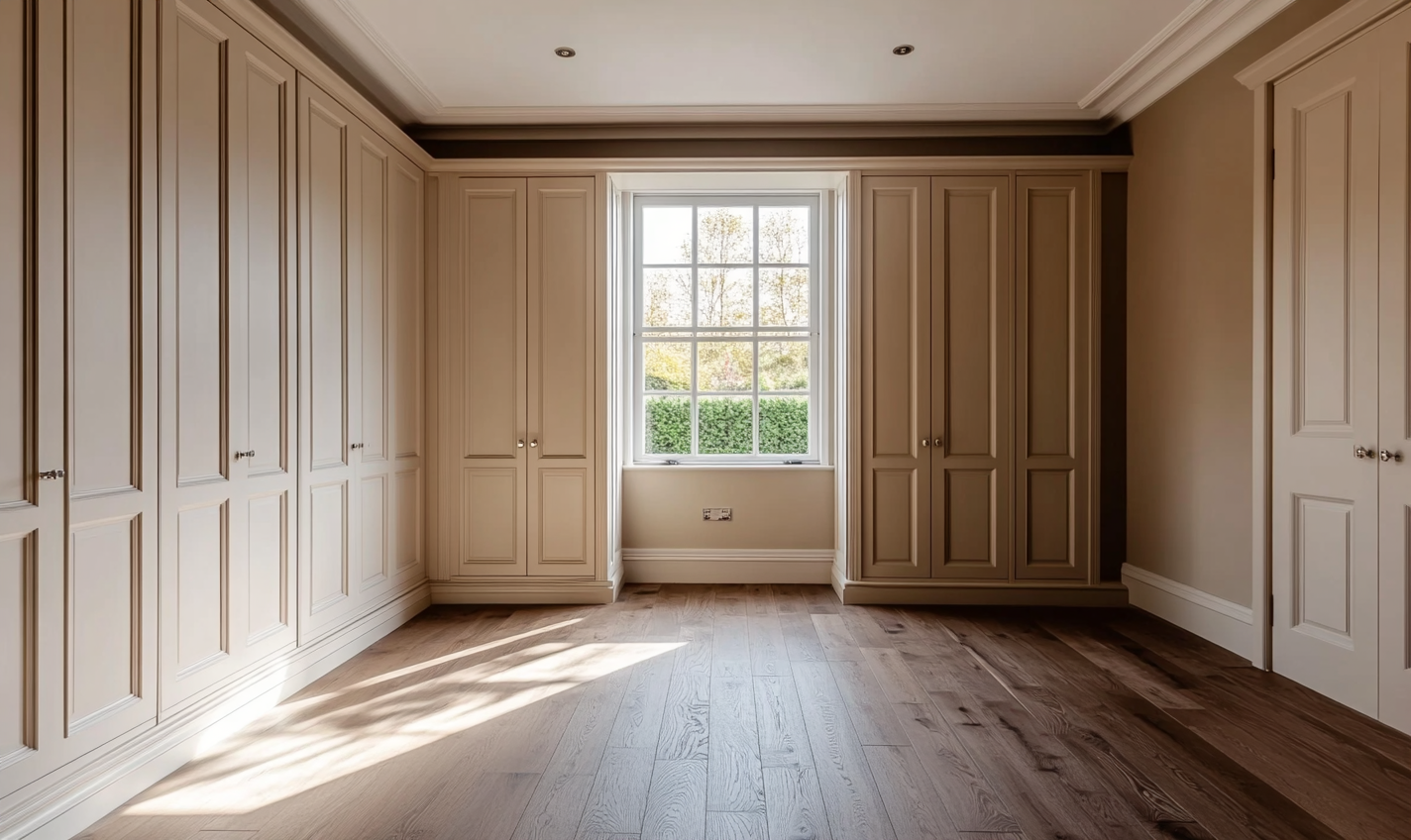
Key Takeaway: Particle board presents the most budget-friendly option with convenient pre-laminated finishes, making it rather suitable for rental properties or temporary storage solutions. Its limited structural strength means it's best reserved for smaller wardrobes or those with minimal daily use requirements.
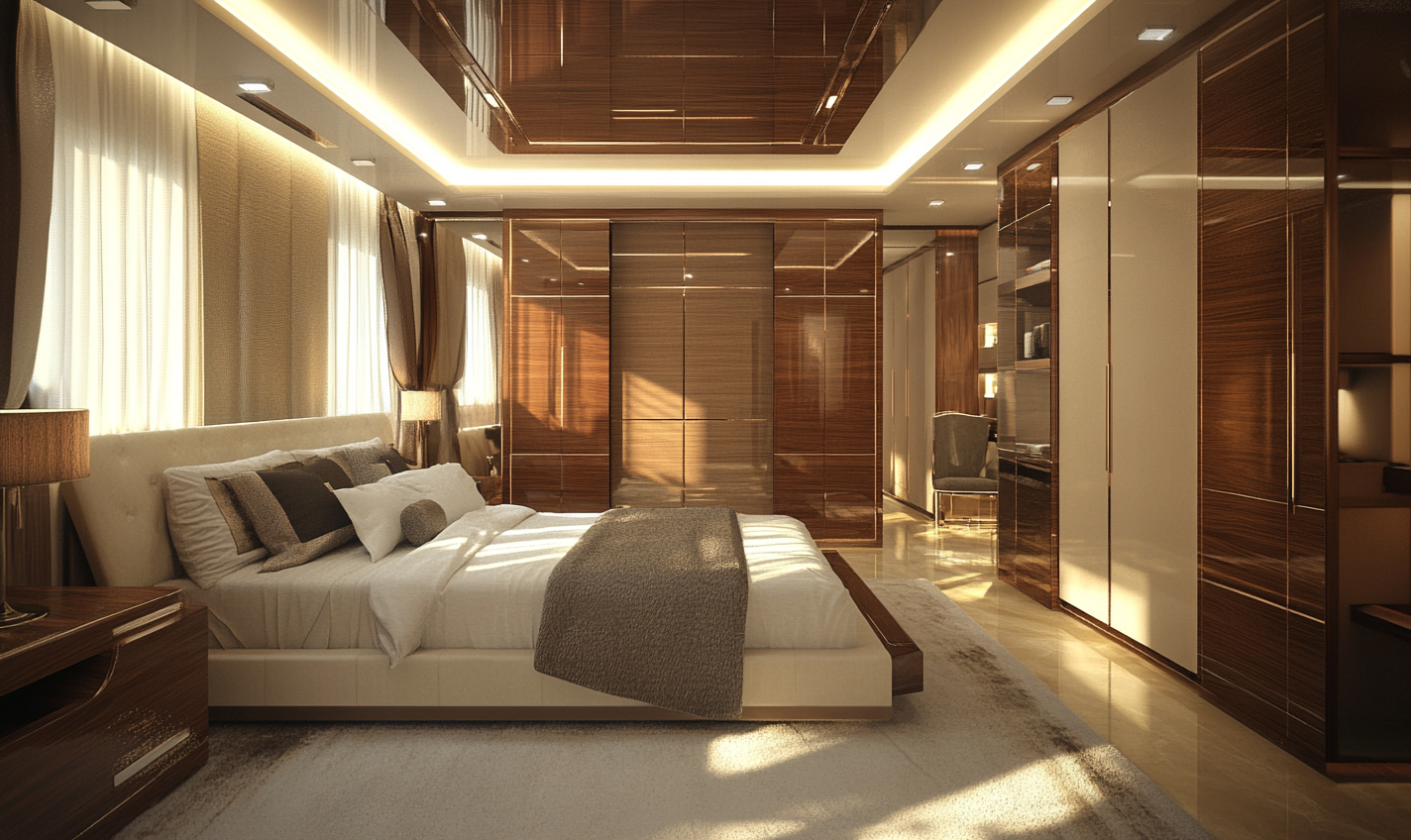
Key Takeaway: Plywood delivers exceptional structural integrity with impressive resistance to warping, making it genuinely ideal for larger wardrobe doors or sliding mechanisms that experience regular use. While requiring edge finishing, its superior strength-to-weight ratio makes it a rather sensible investment for long-term durability.
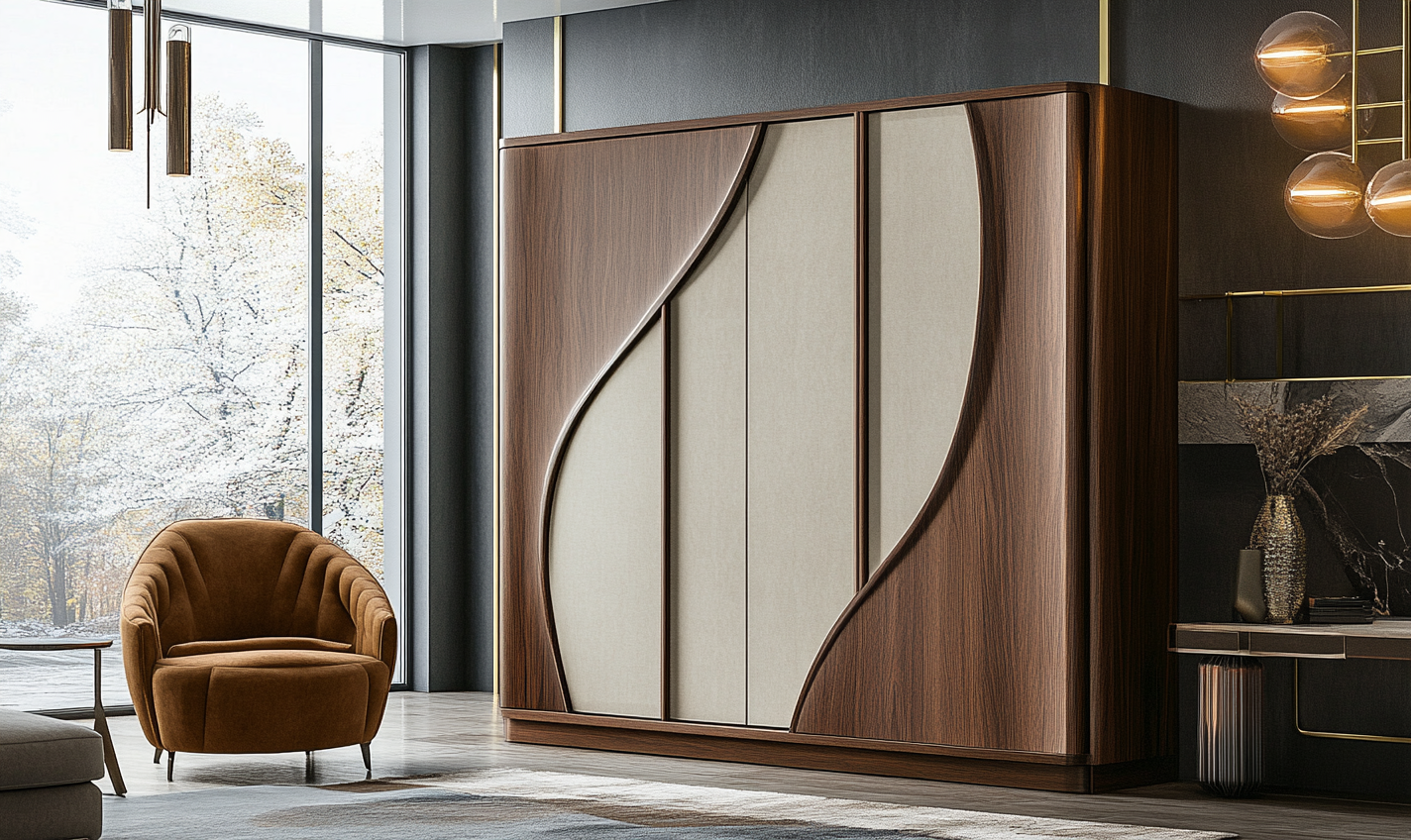
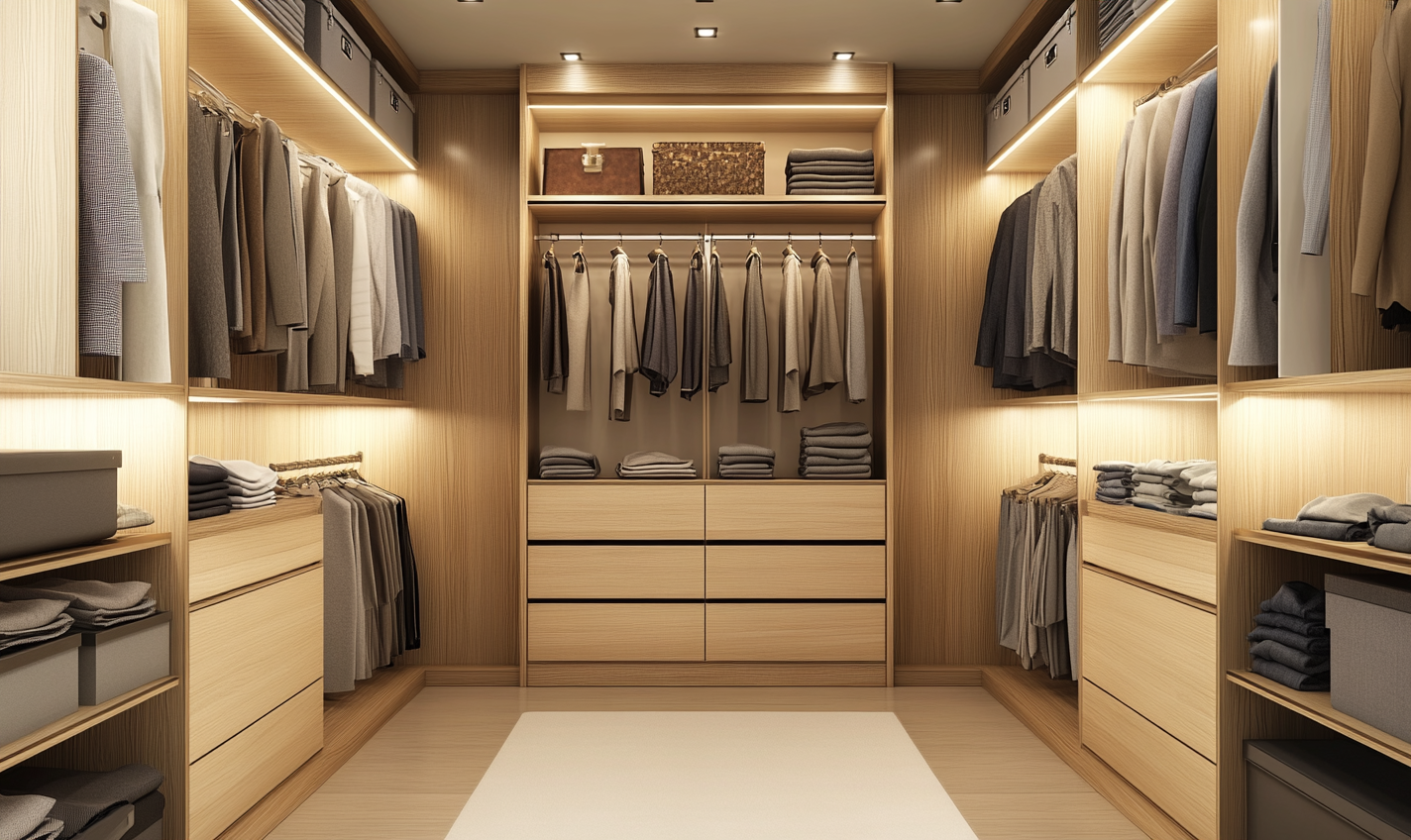
Key Takeaway: Solid wood represents the pinnacle of luxury wardrobe door materials, offering unmatched natural beauty and tactile quality that synthetic options simply cannot replicate. While requiring more maintenance and offering fewer finish options, its timeless appeal and ability to age gracefully make it a truly extraordinary investment.
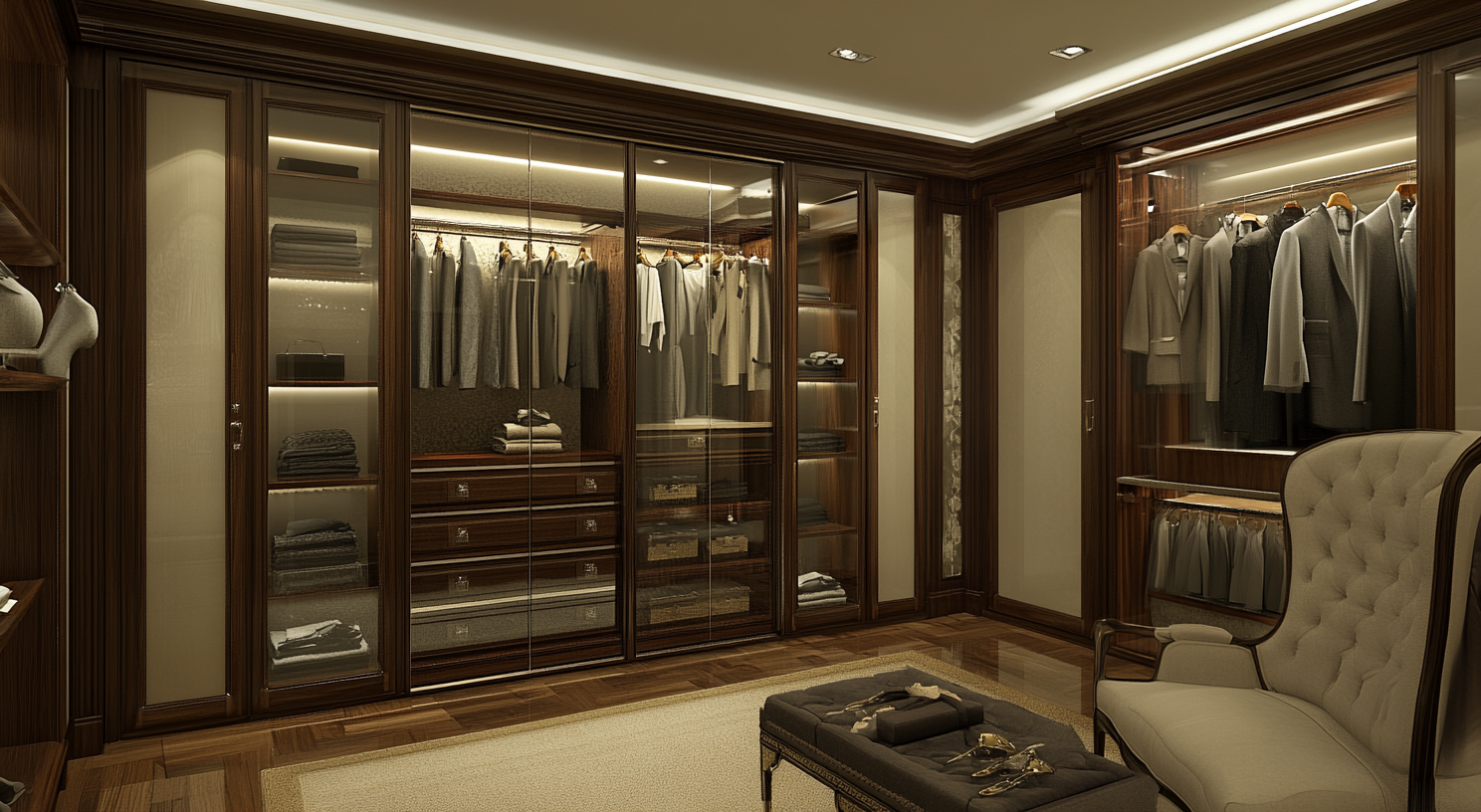
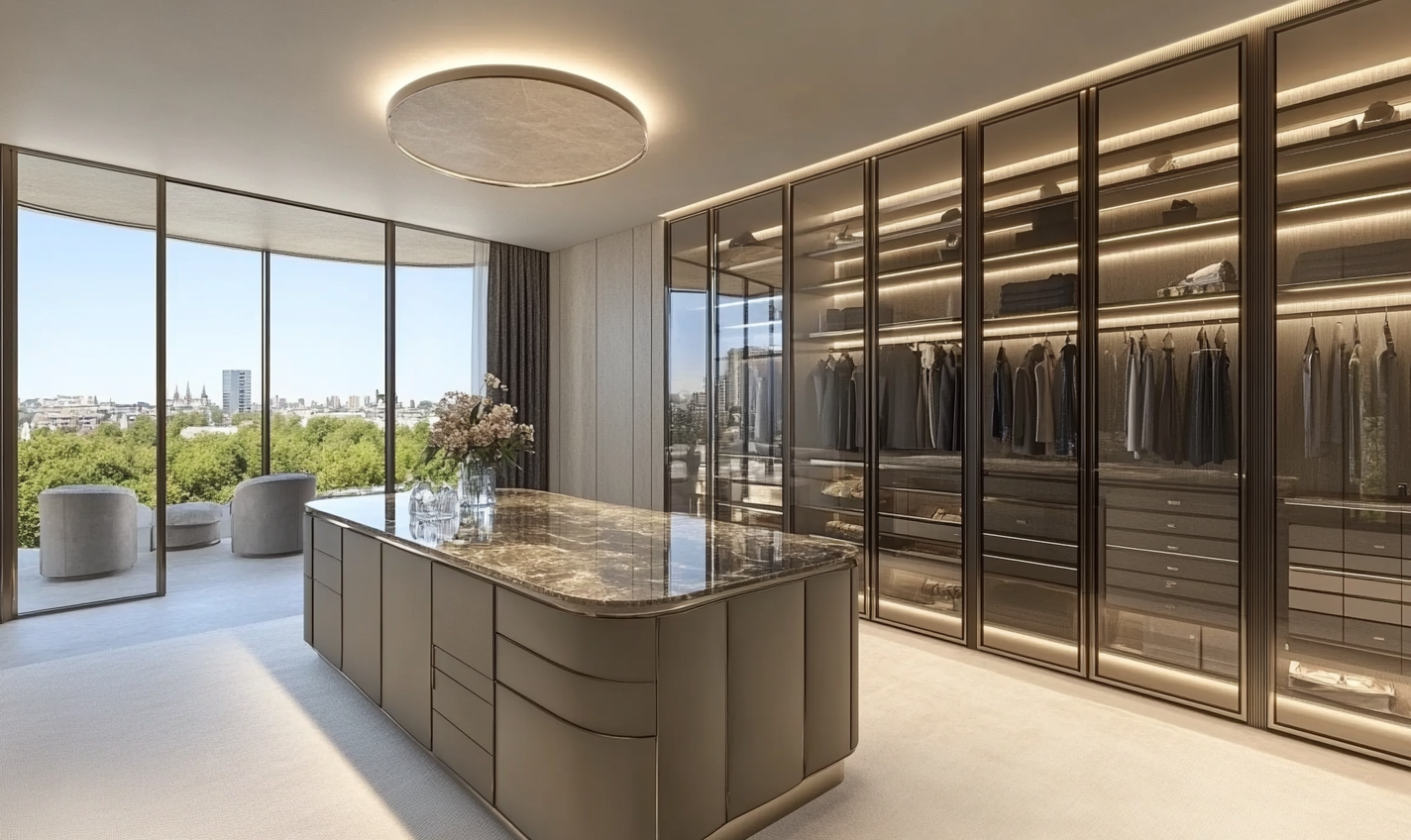
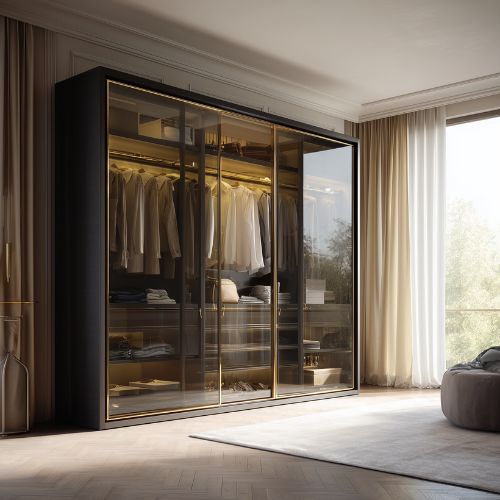
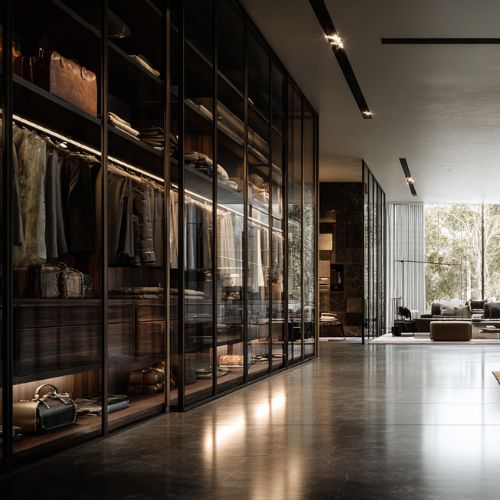
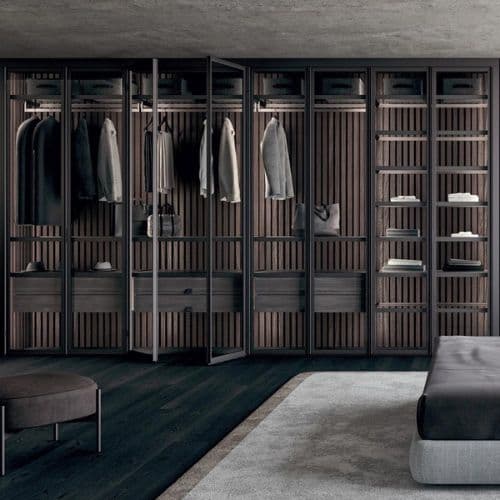
Key Takeaway: Glass wardrobe doors offer a refreshingly contemporary aesthetic that visually expands smaller spaces while encouraging organisational discipline. Though requiring regular cleaning to maintain their pristine appearance, they provide a sophisticated solution for those seeking to create a more open, light-filled bedroom environment.
.jpg)
Selecting the best material for wardrobe doors ensures longevity in both style and durability. Your choice should align with the type of wardrobe you're considering and complement your overall interior scheme.
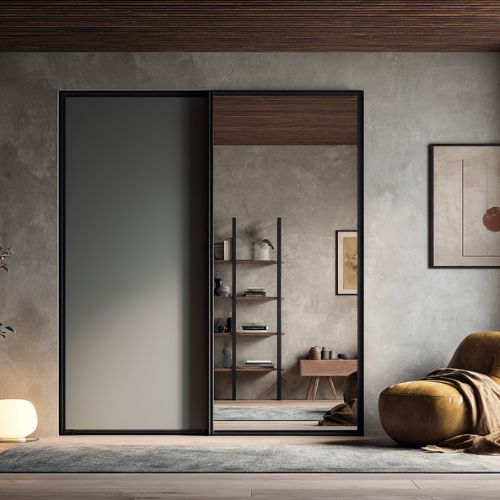
For smaller rooms where you've opted for a wardrobe with sliding doors, a plywood base with mirrored panels presents an excellent solution. The plywood can withstand the mechanical stress of frequent sliding, whilst the mirrored glass creates an illusion of expanded space - rather clever for compact bedrooms.
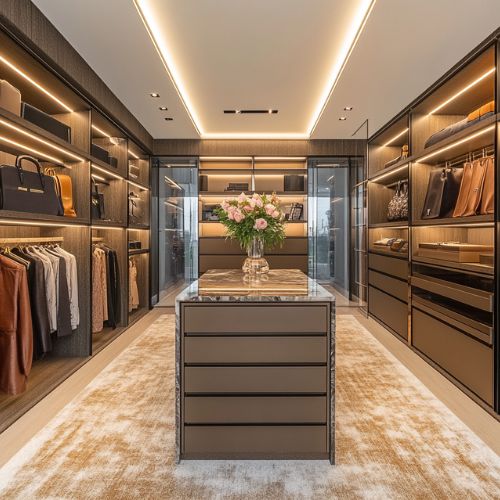
If you appreciate the aesthetic of a walk-in wardrobe but lack the square footage, glass wardrobe doors offer a splendid compromise. They create a similar visual effect by allowing you to see your clothing and accessories, with the added benefit of dust protection. For those who adore this concept but harbour concerns about maintaining pristine order, consider linen door insets that provide a semi-opaque effect, delivering that coveted "open plan" feel while discreetly concealing the contents.
I often recommend combining two or more material types to achieve the best of all worlds. During the design consultation, I can guide you through the selection process for your wardrobe door material, ensuring that whatever you choose will integrate seamlessly into the final design.
Key Takeaway: The optimal wardrobe door material depends entirely on your room's constraints and aesthetic aspirations, mirrored panels on plywood bases maximise space perception in compact rooms, while glass doors deliver walk-in wardrobe aesthetics without the square footage. For the most sophisticated solution, consider combining materials to achieve both visual impact and practical functionality tailored to your specific needs.
.jpg)
When contemplating the best material for sliding wardrobe doors, and even the other designs, several practical questions should inform your decision. What are the dimensions of the space where your wardrobe will reside? Will it primarily house everyday clothing and accessories requiring frequent access, or serve as storage for linens and seasonal items? Are you envisioning a wardrobe that blends harmoniously with your room's décor, or would you prefer a statement piece that commands attention?
These considerations will significantly influence both your wardrobe style and, consequently, the most suitable material for your wardrobe. I recommend jotting down your requirements and preferences before proceeding. Once you've crystallised your vision, arrange a consultation with our team, and we'll elucidate which materials would best accommodate your desired features.
The material you select for your wardrobe opens up a world of design possibilities. For those seeking distinctive ideas, consider these options:
Key Takeaway: The most sophisticated wardrobe door selection stems from understanding how materials interact with your existing décor rather than chasing fleeting trends. Our distinctly thoughtful approach at FCI emphasises the interplay between function and visual harmony, ensuring your wardrobe doors enhance your bedroom's character while providing the practical storage solutions your lifestyle demands.
Once you've settled on your preferred contemporary wardrobe design, it's prudent to explore your budgetary options. At FCI, we specialise in creating custom-made wardrobes that fulfil your design aspirations while respecting your financial parameters. Our handy wardrobe cost calculator provides a preliminary estimate to establish expectations.
However, nothing quite compares to a personal consultation with one of our wardrobe designers. With decades of experience since 1985, they've mastered the art of working within budget constraints without ever compromising on quality. While we encourage obtaining multiple quotes for your peace of mind, we remain steadfastly committed to delivering exceptional value for your investment.
Key Takeaway:The smartest wardrobe investment stems from balancing aspiration with practicality, understanding precisely what you need versus what you desire. At FCI, our seasoned designers excel at maximising value within your budget, ensuring your custom wardrobe delivers both aesthetic excellence and long-term satisfaction without
After selecting your luxury wardrobe supplier, scheduling professional installation becomes the next critical step. While some wardrobes may seem suitable for DIY assembly, our bespoke fitted wardrobes are exclusively installed by FCI's dedicated installation team, never by clients themselves and never outsourced to third parties.
This approach reflects our commitment to complete project ownership, providing you with absolute peace of mind. Should any issues arise, we assume full responsibility for resolution. Our installation specialists are exceptionally skilled and professional, collaborating closely with you to ensure a seamless and stress-free process from concept to completion.
Key Takeaway: The perfect wardrobe door material balances your aesthetic preferences with practical lifestyle requirements. For smaller spaces, consider space-enhancing options like mirrored panels or glass doors, while larger rooms can accommodate statement materials like solid wood. Professional consultation and installation ensure your chosen material performs optimally for years to come.
The materials you select for your wardrobe represent an investment in daily luxury that extends far beyond mere storage provision. Each morning, interaction with quality materials enhances your living experience, whilst thoughtful material selection contributes to the overall value and appeal of your property.
Quality wardrobe doors, properly specified and professionally installed, provide decades of service whilst maintaining their aesthetic appeal. This longevity makes them among the most cost-effective improvements you can make to your bedroom environment - particularly when considered against the daily frequency of use.
Rather than viewing the doors as utilitarian necessities, consider them opportunities to introduce sophisticated materials that reflect your aesthetic sensibilities whilst solving practical storage challenges. The right material choice creates harmony between function and beauty, elevating your bedroom from a simple sleeping space to a carefully curated personal retreat.
Our design consultants at FCI possess extensive experience helping discerning clients navigate these material decisions, ensuring selections that perfectly balance aesthetic aspirations with practical requirements. We invite you to explore our comprehensive material library and benefit from personalised guidance tailored to your specific interior vision.
Your bedroom deserves storage solutions that reflect both your sophisticated taste and your lifestyle demands, an investment in quality that enhances your daily experience whilst contributing to the enduring appeal of your home.
Key Takeaway: Wardrobe door materials represent far more than functional choices - they're daily tactile experiences that significantly impact your bedroom's aesthetic quality. Investing in properly specified, professionally installed materials ensures decades of satisfaction while enhancing your property's overall value and appeal.
Which wardrobe door material is most durable for family homes with children?
For family homes with active children, plywood offers the ideal balance of durability and versatility. Its cross-laminated construction provides exceptional resistance to impacts and warping, while still accepting a wide range of finishes. If painted doors are preferred, MDF with a quality lacquer finish provides a rather resilient surface that can withstand the occasional bump, though it's less forgiving with moisture exposure than plywood.
How do I maintain glass wardrobe doors to prevent fingerprints and smudges?
Glass wardrobe doors require a refreshingly simple maintenance routine. For daily care, a microfiber cloth is genuinely all you need - simply wipe in a circular motion to remove fingerprints. For a more thorough clean, a solution of one part white vinegar to four parts water applied with a lint-free cloth works brilliantly. Avoid ammonia-based cleaners, which can damage protective coatings, and consider applying a specialist glass protector annually to minimise future smudging.
Can wardrobe door materials be combined effectively in one design?
Absolutely! Material combinations often create the most sophisticated wardrobe designs. A particularly successful approach pairs solid wood frames with glass or fabric inserts, creating visual interest while maintaining structural integrity. Another quite extraordinary combination features lacquered MDF panels alongside natural wood elements, providing colour flexibility with tactile warmth. Our designers frequently recommend these hybrid approaches to achieve both practical performance and aesthetic distinction in bespoke wardrobes.
What's the most environmentally responsible choice for wardrobe door materials?
For the environmentally conscious client, several excellent options exist. MDF made with formaldehyde-free binders offers a rather sensible choice, particularly when sourced from manufacturers with FSC certification. Reclaimed solid wood provides unmatched sustainability credentials while delivering character impossible to replicate with new materials. For those seeking contemporary aesthetics, bamboo-faced panels present a genuinely responsible alternative - bamboo regenerates in just 3-5 years compared to decades for traditional hardwoods.
Address & Hours:
FCI London, Rays House, North Circular Road, London, NW10 7XP
Monday - Saturday: 10am - 6pm
Sunday & Bank Holidays: 11am - 5pm
Contact Details:
Phone: +442081531235
Email: [email protected]
What to Bring:
Selecting the ideal material for your wardrobe doors represents a significant decision that balances aesthetic preferences with practical requirements. Whether you choose the paintable versatility of MDF, the structural integrity of plywood, the timeless elegance of solid wood, or the contemporary appeal of glass, each option offers distinct advantages.
The most successful wardrobes often thoughtfully combine materials to achieve both visual interest and optimal functionality. We invite you to visit our showroom, where our design consultants can guide you through tangible samples, helping you make an informed choice that will enhance your daily experience for years to come.
"I had an excellent experience with FCI. Their showroom offers an impressive selection of high-quality furniture and top international brands. The team provided outstanding service – knowledgeable, attentive, and genuinely helpful."
- Zlata Rybchenko
"We had inbuilt furniture done in three bedrooms by FCI London, and honestly, we couldn't be happier with the results. The quality of their work is just next level. The furniture is solid, beautifully made."
- Linda Nobilio
"I discovered FCI London almost 5 years ago, and I keep going back to them when I need to buy furniture. The team is fantastic, both the sales staff and the in-house designer were knowledgeable, helpful, and really took the time to understand my style."
- Nedelia Martin
We help designers & clients transform mundane spaces into extraordinary ones.


Book a video consultation and we'll advise you on furniture, space planning, colour schemes and much more.
Book A ConsultationBook a visit to our stunning, multi award-winning, 30,000 sqft.
Over 700 brands under 1 roof.
Most Popular on FCI London: Fitted Wardrobes | Luxury Designer Rugs | Luxury Sofas | Luxury Furniture Store | Luxury Interior Designers | Luxury Bedroom Furniture | Luxury Modern Chairs | Luxury Coffee Tables | Luxury Designer Kitchens | Luxury TV Units | Luxury Dining Tables | Luxury Storage Solutions | Luxury Sideboards | Luxury Stools & Bar Stools
Transparency isn’t a policy. It’s a principle.
Have a peek at what our clients really have to say.