
Published Date: Aug 30, 2025
Written by: Emma Cyrus, Senior Copy, Content & Editorial Writer
Reviewed by: Benjamin Ibanez, Senior Interior Designer at FCI London
Edited by: Zoona Sikander, Head of Content
Estimated Reading Time: 7 minutes
TLDR: The question of matching dining chair legs to table legs isn't about rigid rules - it's about creating sophisticated harmony in your dining space. Whether you choose perfect coordination for formal elegance or intentional mixing for curated character, the key lies in understanding visual balance, scale, and how furniture pieces converse with each other. This comprehensive guide reveals when to match, when to mix, and how to achieve that effortlessly refined look that makes your dining room feel both considered and genuinely inviting.
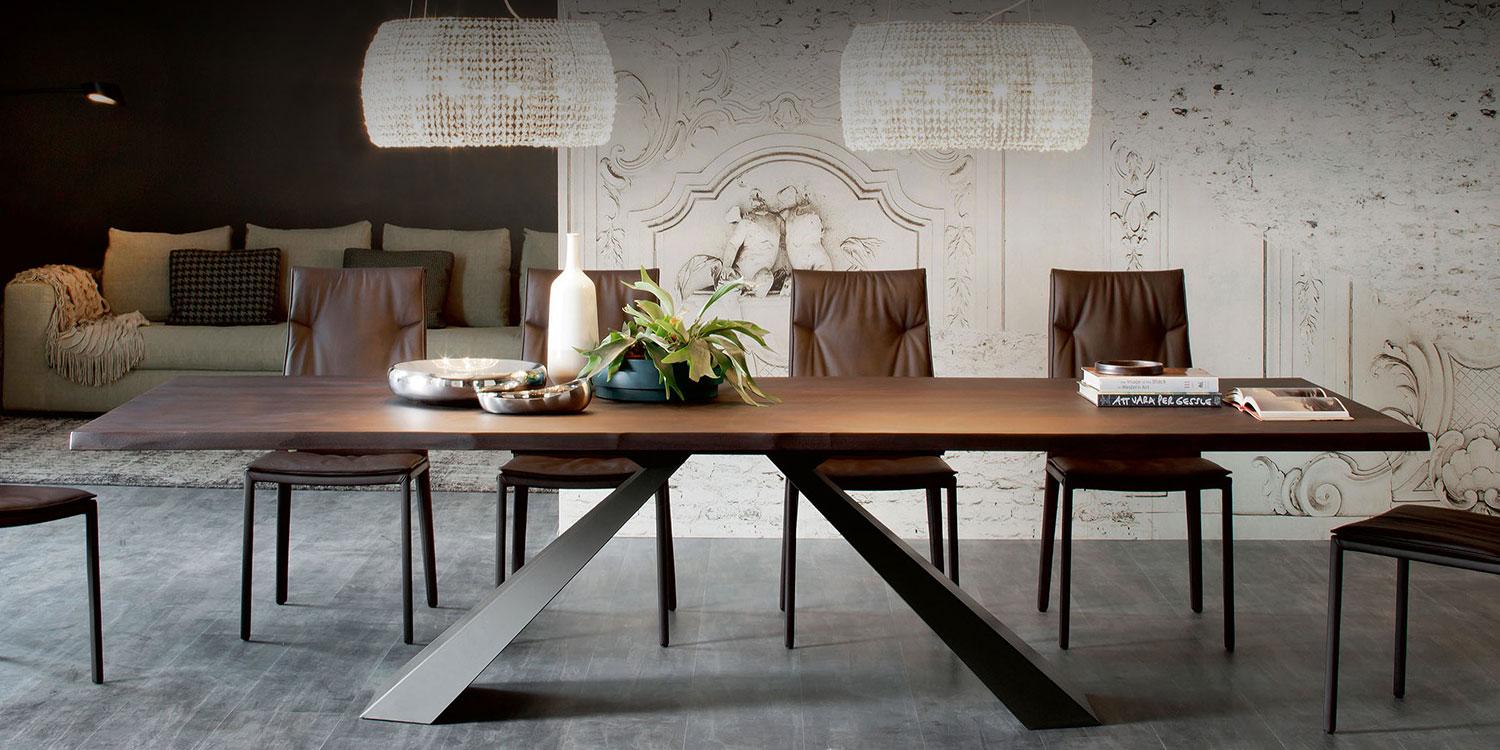
The finest dining rooms share a curious paradox: they appear effortlessly balanced yet reveal endless layers of thoughtful detail upon closer inspection. It's rather like watching a master chef at work - what seems intuitive is actually the result of years of understanding how individual elements dance together to create something truly memorable. Whether you're reimagining your Belgravia townhouse dining room or commissioning a complete transformation for your Cotswolds retreat, the alchemy of creating spaces that feel both harmoniously composed and delightfully unexpected requires a discerning eye and strategic approach.
In two decades of designing dining spaces for discerning clients, I've encountered this question countless times: 'Should our dining chair legs match our table legs?' The answer isn't simply yes or no - it's about understanding the sophisticated interplay between harmony and visual interest, cohesion and character
Decorating a home should be a joyful adventure, though I understand it can occasionally feel overwhelming. Selecting the right furniture - particularly pieces as socially significant as the dining room table - often presents the most formidable challenge.
This seemingly straightforward design decision affects everything from your dining space's perceived formality to how your eye travels around the room. Get it right, and you create a dining environment that feels both considered and effortless. Get it wrong, and the space can feel either painfully contrived or frustratingly disjointed.
The truth is, the most compelling dining spaces often challenge conventional wisdom about matching. They demonstrate that true sophistication lies not in rigid adherence to rules, but in knowing when to follow them and when to break them with intention.
Let's explore the nuances of this design conundrum, providing you with the insights needed to make an informed decision that reflects your unique style sensibilities.
Key Takeaway: The sophisticated interplay between harmony and visual interest requires understanding when coordination serves your design and when intentional mixing creates character. True sophistication lies not in rigid adherence to matching rules but in knowing when to follow them and when to break them with clear purpose.
The distinction between harmonious design and monotonous matching is subtle but crucial. Visual harmony creates a sense of completeness without sacrificing interest, while monotonous matching can render a space predictable and flat.
When chair and table legs share identical profiles, materials, and finishes, the result can feel overly prescribed - as though someone has prioritised safety over sophistication. This approach works in certain contexts, particularly in formal dining rooms where symmetry and tradition reign supreme. However, in contemporary luxury interiors, clients increasingly seek spaces that feel curated rather than coordinated.
Consider the difference between a dining set where every element matches perfectly and one where the table features substantial turned walnut legs, whilst the chairs sport sleek ebonised oak frames. The latter creates what we call "considered tension" - elements that relate to each other without being identical, much like a well-composed outfit where textures and tones complement without duplicating.
Visual weight plays a crucial role in this equation. Heavy, substantial dining table legs can overwhelm delicate chair frames, whilst overly ornate chair legs might compete with a beautifully simple table base. The key lies in balancing these elements so they support rather than undermine each other.
Key Takeaway: Visual harmony creates completeness without sacrificing interest, while monotonous matching renders spaces predictable. The most compelling dining rooms feature "considered tension" where elements relate without duplicating, allowing pieces to support rather than undermine each other.
In my professional opinion, a dining table and its chairs should function as sisters rather than twins - related but not identical. They should complement one another whilst maintaining their individual character.
Using your table's design language as a guiding principle is a sensible approach. For instance, a mid-century modern table will naturally harmonise with seating in a similar aesthetic vein, without necessitating an exact match in terms of wood dining table legs or chair structure.
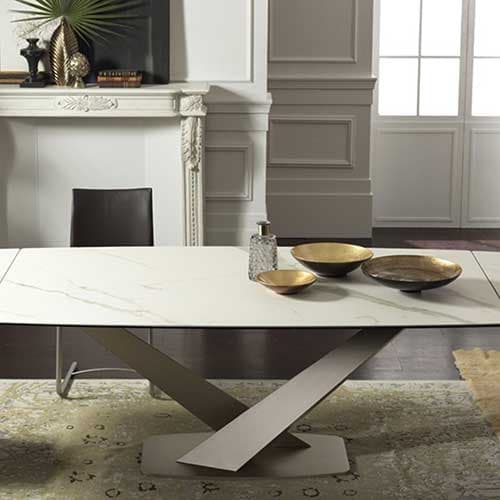
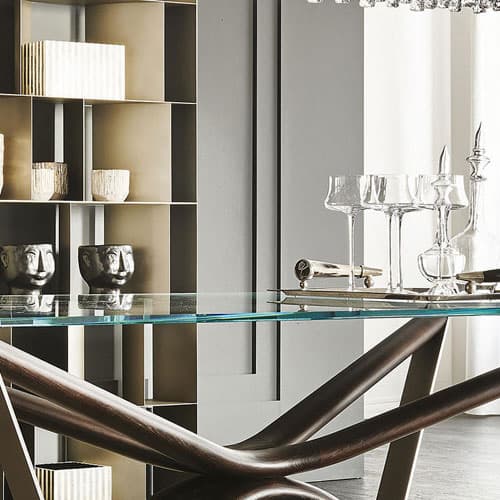
If you're keen to elevate the visual impact of your dining area, I recommend exploring contrasting elements - textures, finishes, and colours that create dialogue rather than monotony. Consider pairing a richly toned table like the Latour dining table by Naos (shown below) with lighter-toned chairs, creating a pleasing visual counterpoint.
The distinction between harmonious design and monotonous matching is subtle but crucial. Visual harmony creates a sense of completeness without sacrificing interest, while monotonous matching can render a space predictable and flat. The legs for a dining table might be substantial and architectural, while wooden leg dining chairs could be more delicate and refined.
A word of caution, though. There's a delicate balance at play here. Push the variation too far and you risk a disjointed, chaotic effect. The goal is finding that elusive middle ground between subtlety that whispers too quietly and contrast that shouts too loudly.
Key Takeaway: Dining tables and chairs should function as sisters rather than twins, related but maintaining individual character. The key lies in creating dialogue through contrasting textures, finishes, and tones whilst staying within the same design language to avoid chaotic effects.
When planning your dining furniture arrangement, several key considerations should inform your decision-making process:
First and foremost, consider your space's overarching aesthetic. In formal or traditional interiors, matching chair legs to the dining table legs often creates a more unified, polished impression. This approach particularly suits pieces with ornate detailing or elaborate craftsmanship. Classic spaces often look balanced when dining chair legs match dining table legs, creating a sense of order.
However, in contemporary luxury interiors, clients increasingly seek spaces that feel curated rather than coordinated. A dining table with legs in one material might be beautifully complemented by chairs with legs in another, creating a layered, collected-over-time ambience.
Similar to stylistic considerations, colour coordination between your dining table and chair legs tends to reinforce a classic aesthetic. This approach ensures the room feels cohesively orchestrated, with each element playing in harmony.
If your home features strategic colour accents throughout, extending this chromatic language to your dining seating can create delightful continuity. Designs such as the Tate Colour dining chair by Cappellini introduce vibrant notes that can transform your dining space's atmosphere.
Should you opt for colourful seating, consider the psychological impact of your chosen hues. Soft neutrals and sage greens foster tranquillity, while bolder reds and oranges energise the space - particularly relevant for dining areas, where conversation and conviviality are paramount.
Key Takeaway: Formal interiors benefit from matching legs for polished unity, whilst contemporary luxury spaces increasingly favour curated, layered approaches. The goal is creating spaces that feel collected over time rather than purchased as a set.
Matching chair and table legs serves specific design purposes that shouldn't be dismissed outright. In formal dining rooms, particularly those with traditional architectural features, matching elements can reinforce a sense of ceremony and grandeur that feels entirely appropriate.
I recently worked with a client in a Georgian townhouse in Belgravia, where the dining room's period details demanded a certain level of formality. We selected a mahogany dining table with turned legs and matching chairs with identical leg profiles. The result was a space that felt authentically period whilst remaining thoroughly comfortable for contemporary entertaining.
Matching also works beautifully in minimalist interiors where the goal is to reduce visual complexity. When every element shares a consistent material palette and form language, the furniture becomes almost architectural - part of the room's structure rather than discrete objects within it.
For those who prefer the reassurance of coordination, matching provides a safe foundation. It's infinitely better to have a well-matched dining set than a collection of mismatched pieces chosen without clear intention. However, even within this framework, you can introduce variation through upholstery, accessories, and lighting.
The key is ensuring that matching serves the design rather than limiting it. When clients choose matching sets, I always encourage them to consider how they might introduce subtle variations in texture, colour, or proportion to prevent the space from feeling static.
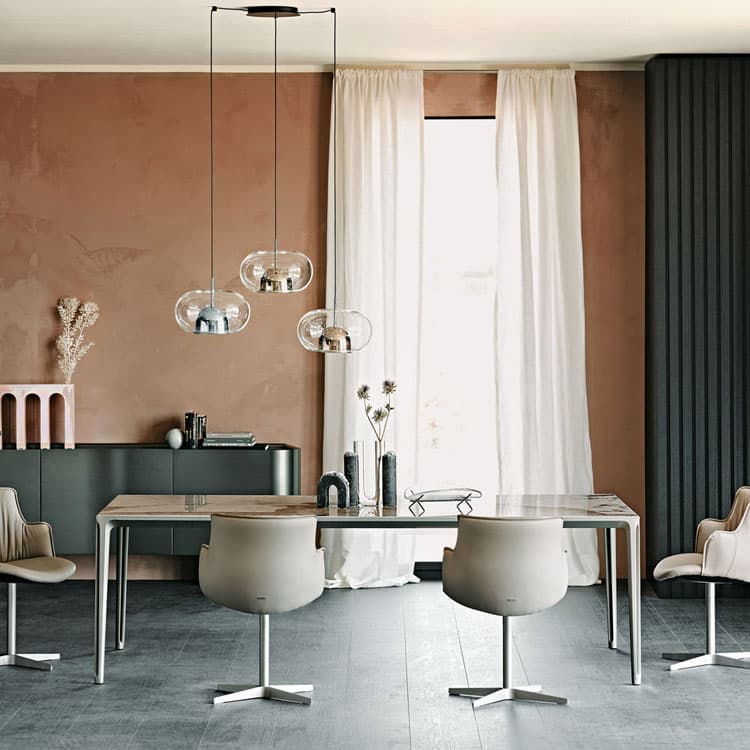
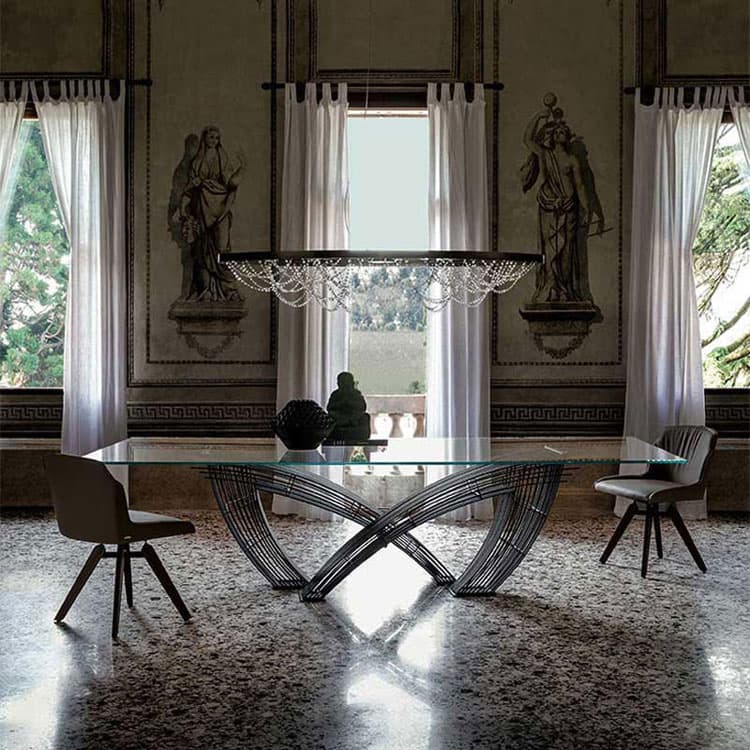
Key Takeaway: Colour coordination reinforces classic aesthetics and creates cohesive orchestration throughout your space. Consider the psychological impact of your chosen hues, as soft neutrals foster tranquillity whilst bolder tones energise spaces designed for conversation and conviviality.
If you're drawn to a more eclectic aesthetic, you might consider taking this approach further with a deliberately varied chair collection. This design choice can be wonderfully effective when executed with confidence and consideration. If you'd appreciate guidance in crafting this look, our design team would be delighted to assist you in curating a collection that feels both intentional and inspired.
When selecting dining chairs, three primary approaches present themselves:
While mixing chair silhouettes offers creative freedom, ensure one unifying element threads through your selection. This could be a consistent colour palette, complementary materials, or a shared design era. The legs for a chair might vary in form while maintaining material consistency, for example.
If incorporating different chairs at the table heads, maintain cohesion through either consistent finishes or complementary upholstery to create an arrangement that feels deliberate rather than haphazard.
Key Takeaway: Eclectic chair collections can be wonderfully effective when executed with clear intention and confidence. Ensure one unifying element threads through your selection, whether consistent colour palette, complementary materials, or shared design era.
Key Takeaway: Matching creates classic cohesion and simplifies styling but risks predictability and limits creative expression. The trade-off between easy coordination and unique character should align with your space's formality level and your appetite for design risk.
With your styling direction established, these practical considerations will help you select dining chairs that enhance both your luxury dining tables and overall interior scheme.
This crucial dimension significantly impacts seating comfort and functionality.
As a general guideline, maintain at least 25 cm of clearance between the table's underside and the chair seat. This spacing ensures adequate legroom and promotes ergonomically sound posture during meals.
Additionally, select chairs that can be neatly tucked beneath the table when not in use, preserving circulation space and maintaining visual order. This consideration becomes particularly important when selecting legs for a dining table with unusual structural elements.
For visual harmony, ensure chair backs extend at least 5 cm above the tabletop when seated at the table.
The dimensional relationship between chairs and tables is equally important in the horizontal plane.
Ensure chairs slide comfortably under the table with several centimetres of clearance between them, preventing collisions with table legs or base structures. This becomes particularly relevant with distinctive designs like Sancal's Vesper dining collection.
Insufficient spacing between chairs creates an uncomfortable dining experience. In compact spaces, prioritise maximising the seating area while maintaining proper clearances.
Beyond the specific consideration of legs, your chairs must harmonise with the table in terms of overall scale and visual weight.
Proportional relationships fundamentally influence a room's balance. Pay careful attention to how your furniture pieces relate to one another dimensionally within the broader context of your space.
Finally, material selection should reflect both aesthetic preferences and practical requirements.
Consider usage patterns and household demographics when choosing chair materials. For daily use or homes with children and pets, prioritise durability and ease of maintenance. Wood, leather, washable textiles, and certain synthetics offer practical resilience.
More delicate upholstery options, such as velvet or suede, may be better reserved for formal dining spaces with occasional use. Ultimately, whether your dining chair legs match dining table legs is about balance, comfort, and your personal design taste.
Key Takeaway: Selecting perfect dining chairs requires balancing practical considerations with aesthetic ambitions, from ergonomic dimensions to material durability. Beyond the specific question of legs, your chairs must harmonise with your table in scale, visual weight, and overall design language whilst meeting your household's functional needs.
Do dining chair legs need to match the dining table legs exactly?
Not at all - the most sophisticated dining spaces often feature related rather than identical elements. Consider using similar materials or finishes whilst allowing for variations in profile or detail that create visual interest without sacrificing harmony.
What's the best approach for mixing dining chair styles with my table?
Maintain one unifying element such as material consistency, complementary colour palettes, or shared design era. The key is ensuring your selection feels intentional rather than accidental - curated rather than collected randomly.
How do I know if matching or mixing suits my dining room better?
Consider your space's formality level and architectural character. Traditional or formal dining rooms often benefit from matching coordination, whilst contemporary spaces can handle more eclectic approaches. Your personal style preference should ultimately guide this decision.
Can I change my mind about matching versus mixing later?
Absolutely - dining furniture can evolve. Starting with a matched foundation allows you to introduce varied elements gradually, whilst an initially eclectic collection can be unified through strategic additions or modifications to existing pieces.
Address & Hours:
FCI London, Rays House, North Circular Road, London, NW10 7XP
Monday - Saturday: 10am - 6pm
Sunday & Bank Holidays: 11am - 5pm
Contact Details:
Phone: +442081531235
Email: [email protected]
What to Bring:
The question of matching dining chair legs to table legs ultimately transcends rigid rules, revealing itself as an exercise in understanding visual balance, scale, and how furniture pieces converse within your space. Whether you opt for coordinated elegance in formal settings or curated character through intentional mixing, the key lies in making decisions that feel both considered and genuine. Your dining room should reflect not just current design trends but how you actually live, entertain, and create memories around your table.
Helen Haughton
"We are absolutely delighted with our new dining table and chairs. Sanjay was so patient while I tested every chair in the store twice for comfort. The whole process, from advice to delivery and installation, was smooth and impeccable. Excellent service, great quality furniture, thank you FCI for everything!"
Anton Fishman
"After researching dining furniture, we visited FCI’s stylish showroom and quickly found what we wanted. Robin Sydney was helpful with materials and fabrics, and we agreed on a competitive price. The Italian-made furniture arrived on schedule, and the delivery team carefully assembled it. We were thoroughly impressed with FCI’s professionalism."
Valentina Simone
"Our experience with FCI London was flawless. The table and chairs we bought are of excellent quality, with plenty of choice available. Monica and Perla guided us perfectly from purchase through delivery, making the process easy and enjoyable. We highly recommend FCI for its professionalism, customer service, and high-quality furniture."
We help designers & clients transform mundane spaces into extraordinary ones.


Get In Touch
Book A Video Chat
Book a video consultation and we'll advise you on furniture, space planning, colour schemes and much more.
Book A ConsultationVisit Our Showroom
Book a visit to our stunning, multi award-winning, 30,000 sqft.
Over 700 brands under 1 roof.


Most Popular on FCI London: Fitted Wardrobes | Luxury Designer Rugs | Luxury Sofas | Luxury Furniture Store | Luxury Interior Designers | Luxury Bedroom Furniture | Luxury Modern Chairs | Luxury Coffee Tables | Luxury Designer Kitchens | Luxury TV Units | Luxury Dining Tables | Luxury Storage Solutions | Luxury Sideboards | Luxury Stools & Bar Stools
Transparency isn’t a policy. It’s a principle.
Have a peek at what our clients really have to say.