
Published Date: Apr 21, 2025
Written by: Emma Cyrus, Senior Copy, Content & Editorial Writer
Reviewed by: Andrei Lee, Senior Interior Designer at FCI London
Edited by: Zoona Sikander, Interior Design Writer & Social Media Content Creator
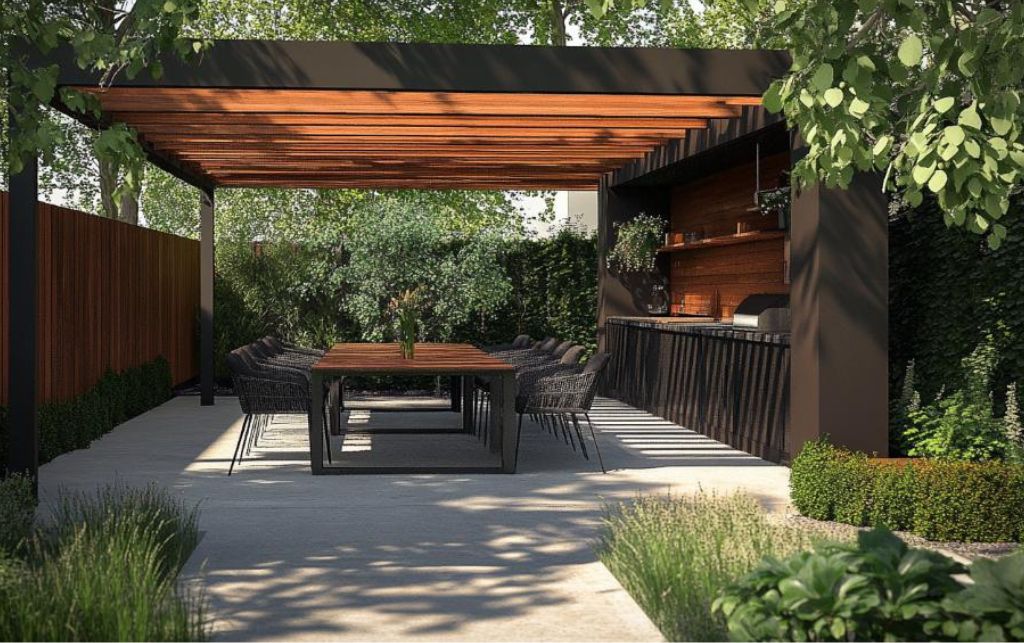
Table of Contents
Expert insights on creating sophisticated outdoor dining spaces that balance aesthetics, functionality, and the finest materials - without falling prey to passing trends
After a couple of decades of designing outdoor spaces for properties from Surrey country estates to Chelsea rooftop terraces, I've developed what you might call a rather particular approach to outdoor dining areas. Mind you, when I say 'outdoor dining', I'm not referring to a bistro set hastily placed on a patch of paving - I mean thoughtfully curated spaces that extend your home's living experience into the landscape.
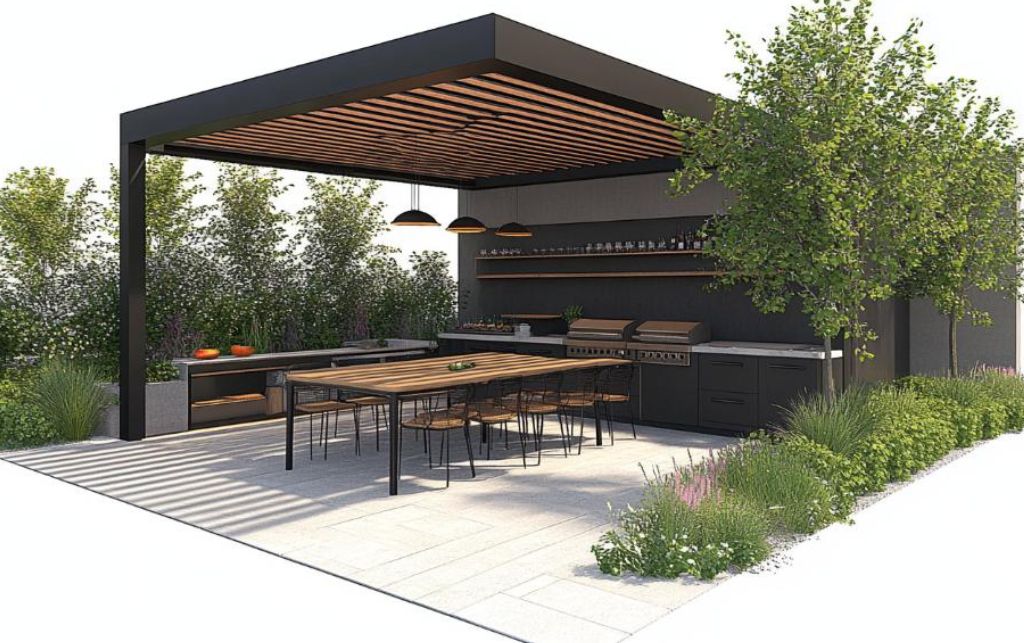
Let's begin with what I call the "Zoning Principle." Your garden, like your home, should be composed of distinct rooms with clear purposes. The outdoor dining area isn't simply where you place a table - it's a dedicated entertainment zone that deserves the same consideration as your formal dining room.
Consider the natural flow between indoor and outdoor spaces when positioning your outdoor dining table. The most successful placements create a seamless transition, allowing hosts and guests to move effortlessly between kitchen, dining room, and terrace.
Through years of observing how people actually use their gardens (rather than how they imagine they might), I've established these foundational principles:
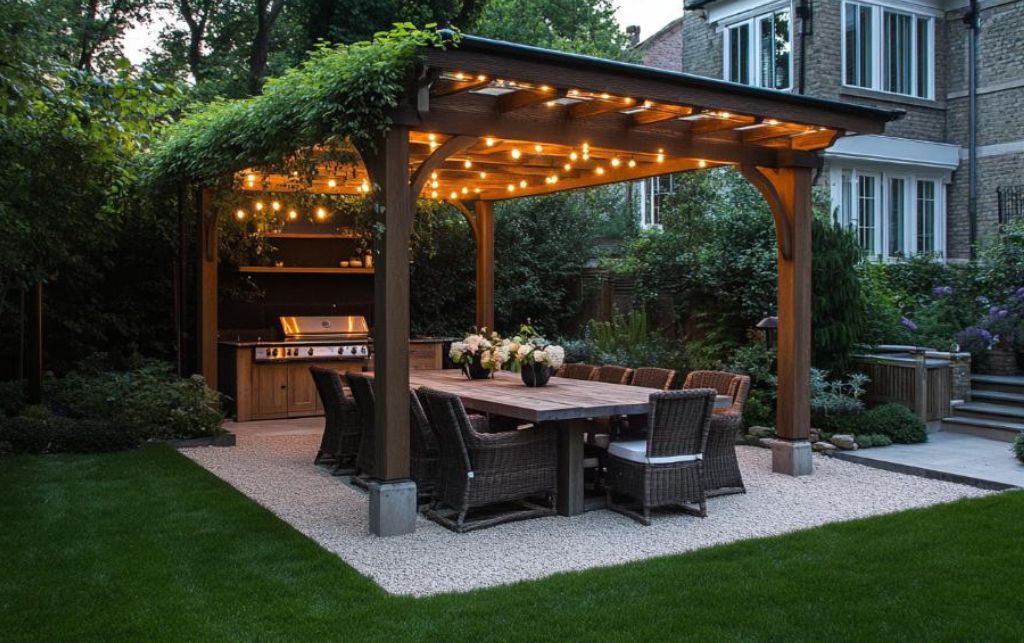
The outdoor dining table represents a significant investment in your exterior living space. While everyone recognises the importance of weather-resistant materials, few consider how these materials relate to the overall outdoor dining experience.
Based on both longevity and dining functionality, I rank materials in the following order:
The extending outdoor dining table merits special consideration. These adaptable pieces allow you to accommodate varying numbers of guests without permanently committing garden space to a larger table than you typically require. The mechanisms should operate smoothly and create a visually cohesive extended surface - inferior examples reveal obvious seams and operational flaws.
The art of luxury outdoor dining hinges on proper proportions. Crowded dining feels chaotic; too much space creates disconnection. After numerous projects measuring actual movement patterns, I've established these spatial guidelines:
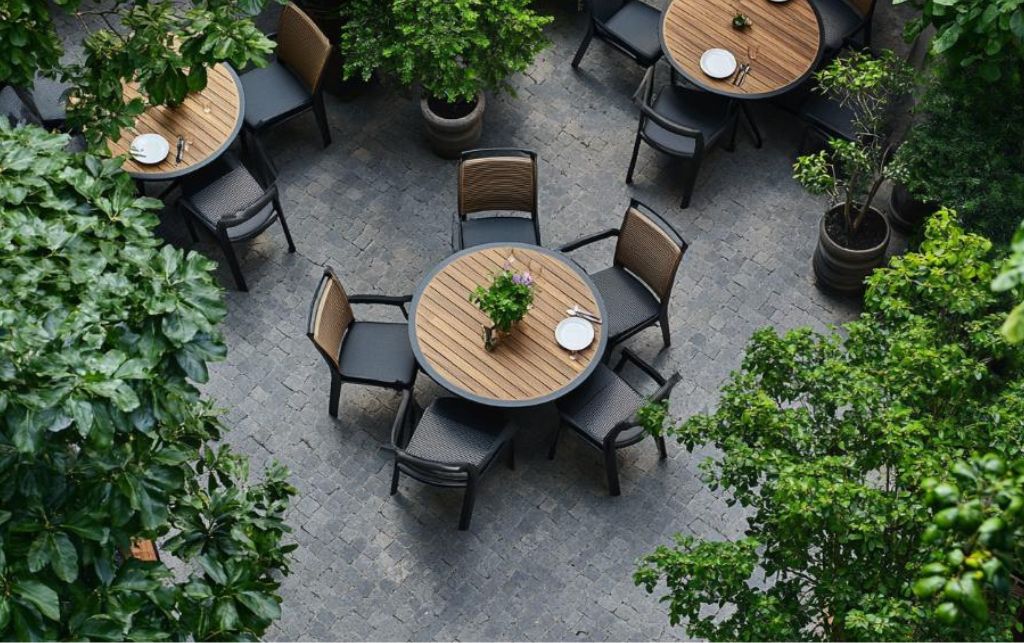
For proper chair movement and comfortable service pathways:
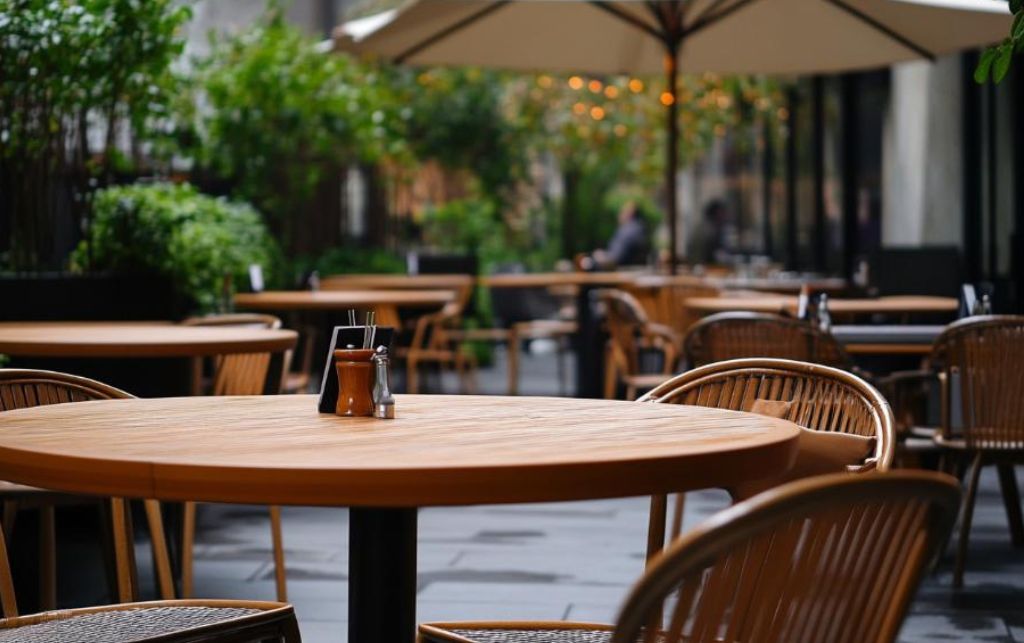
For rectangular tables:
For circular tables:
I recently installed a magnificent 3.8-metre extending outdoor dining table that converts from an intimate six-person setting to a grand 14-person entertaining space. The mechanism, crafted by Italian artisans, operates with a single-finger touch - a perfect marriage of engineering and aesthetics.
The finest outdoor dining spaces engage all senses. Consider:
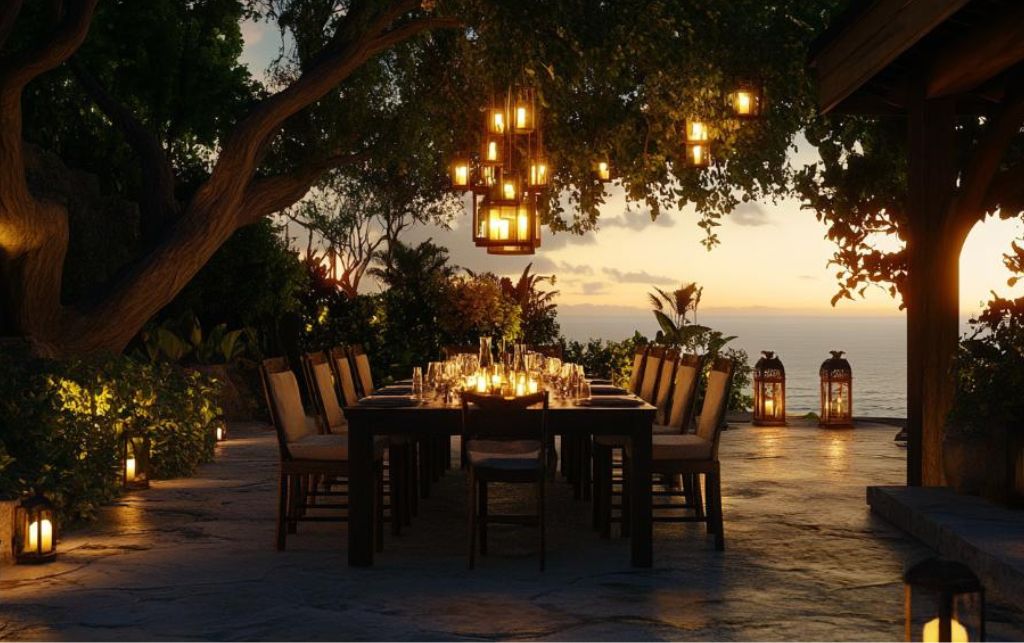
Layered lighting transforms outdoor dining after sunset. I recommend:
Avoid common mistakes such as harsh spotlights that create unflattering shadows or poorly positioned fixtures that attract insects to the dining area.
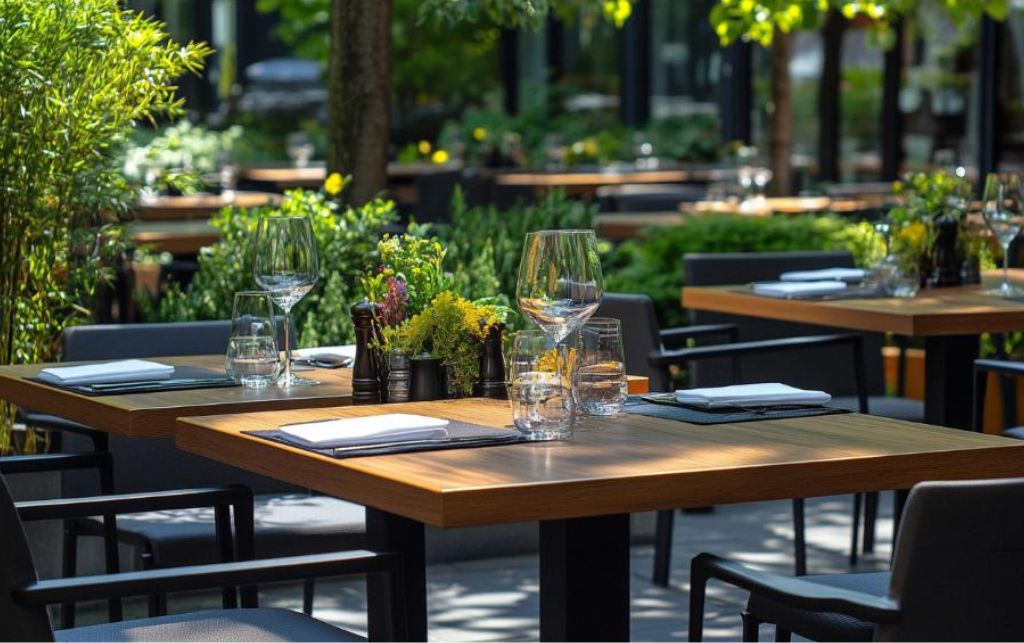
Sound profoundly affects dining experiences yet remains frequently overlooked:
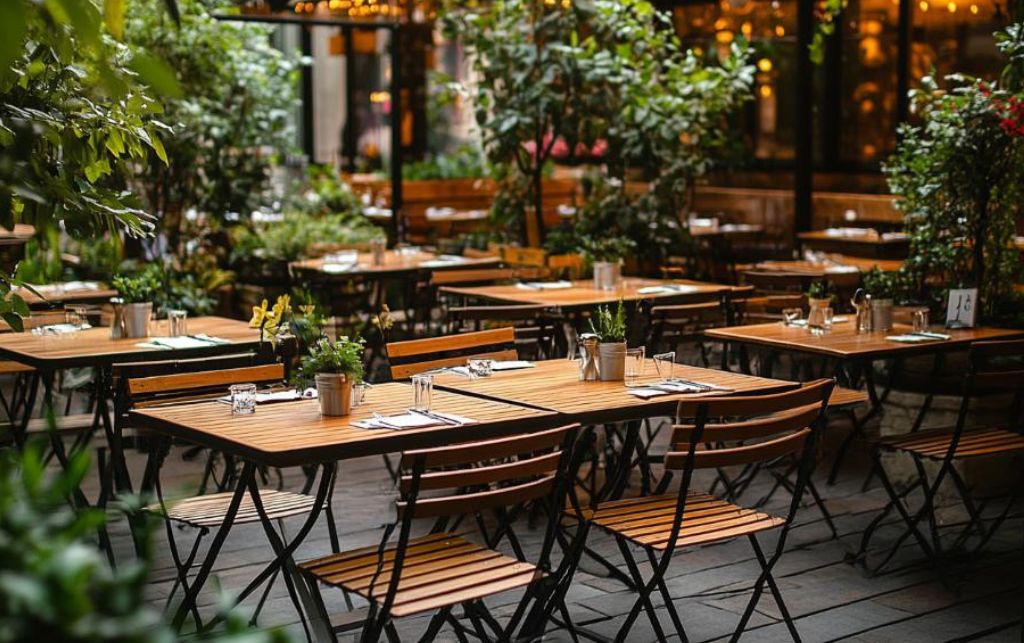
Extend your outdoor dining season through thoughtful design:
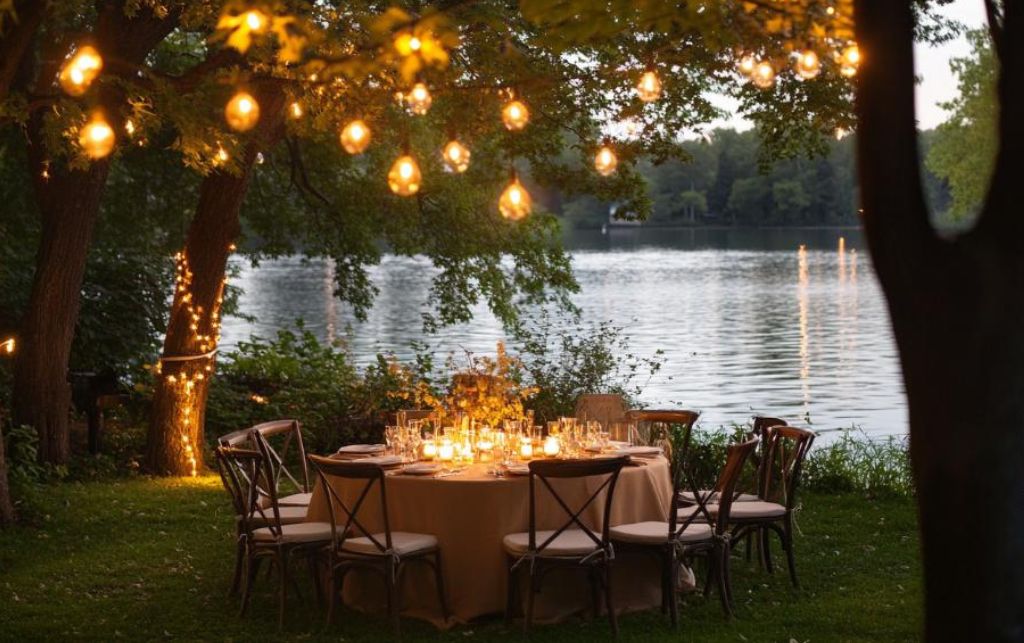
The outdoor dining table requires context. The surrounding elements should create a sense of place rather than simply a furnished area. Consider:
Whether permanent or seasonal, overhead elements define the dining space:
The foundation of your dining area impacts both aesthetics and function:
The finishing touches that elevate ordinary dining to exceptional experiences:
Unlike interior dining spaces, outdoor areas must evolve with the seasons. Rather than viewing this as a limitation, embrace it as an opportunity to create distinctly different experiences throughout the year.
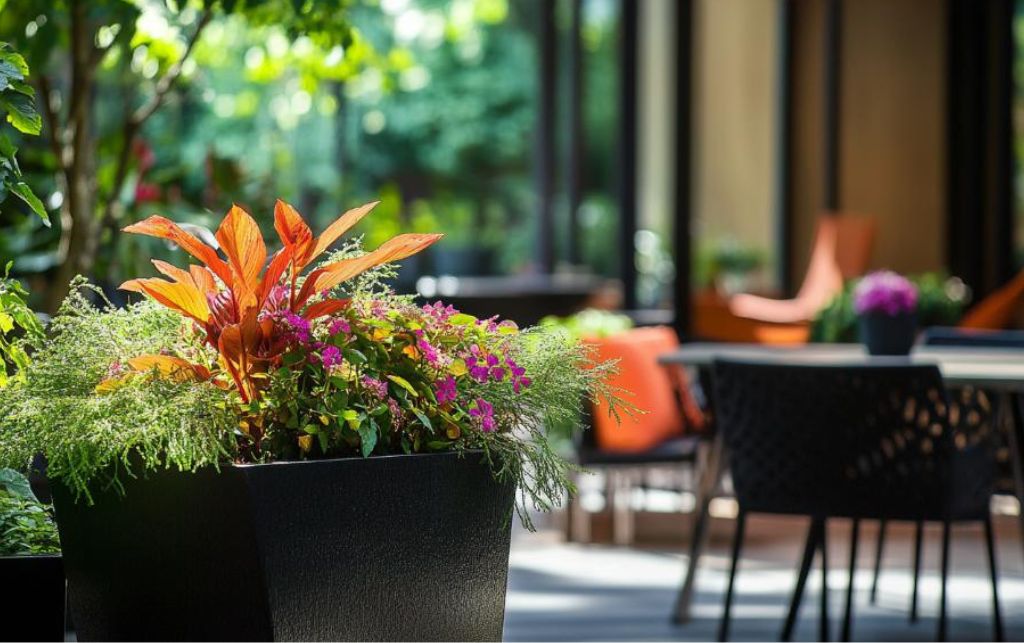
As temperatures become more hospitable:
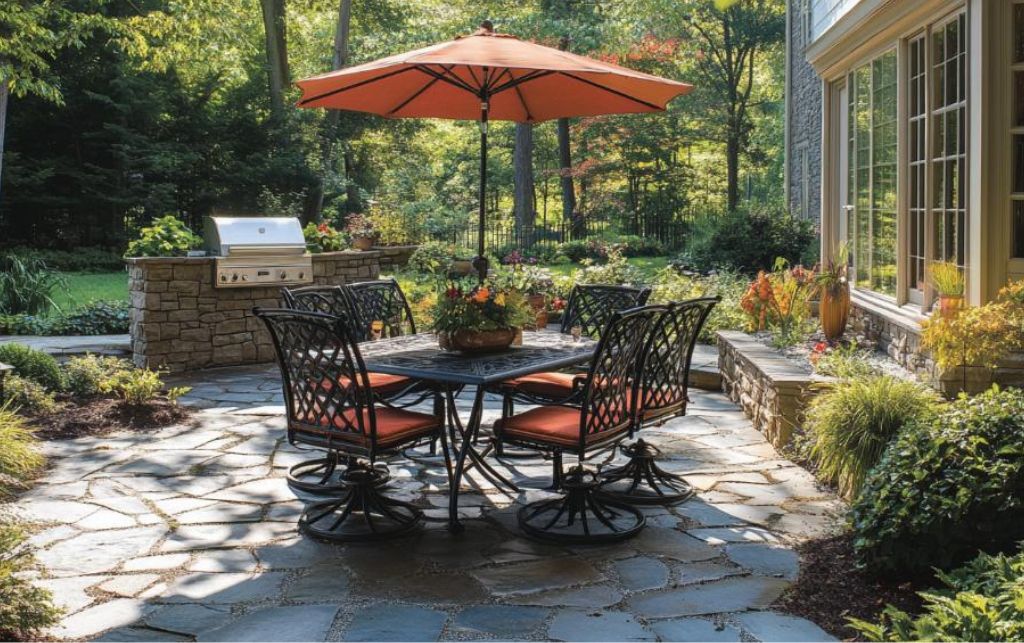
During peak outdoor season:
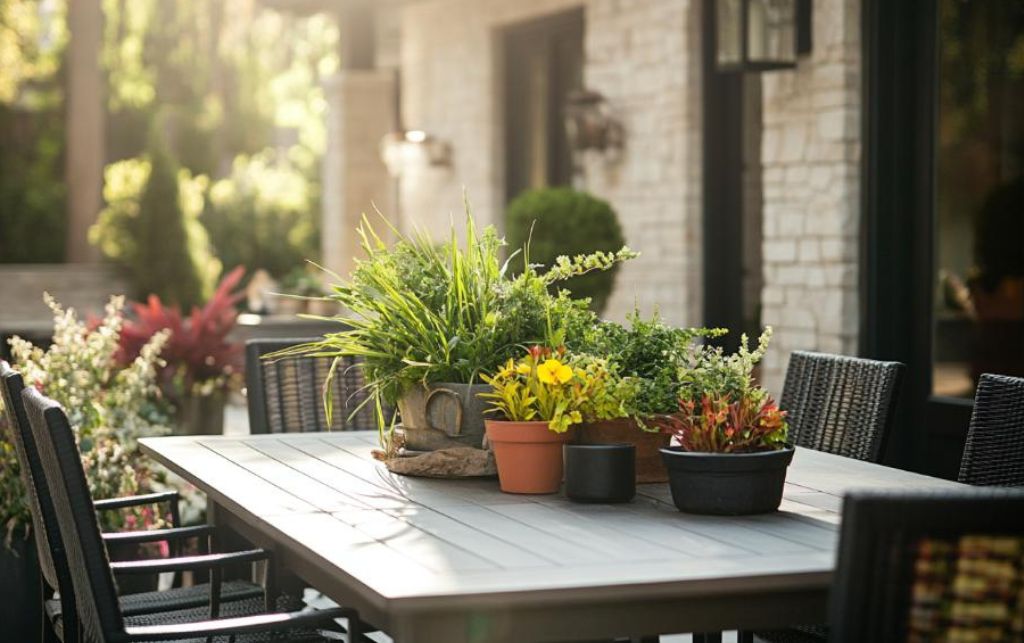
As temperatures decline:
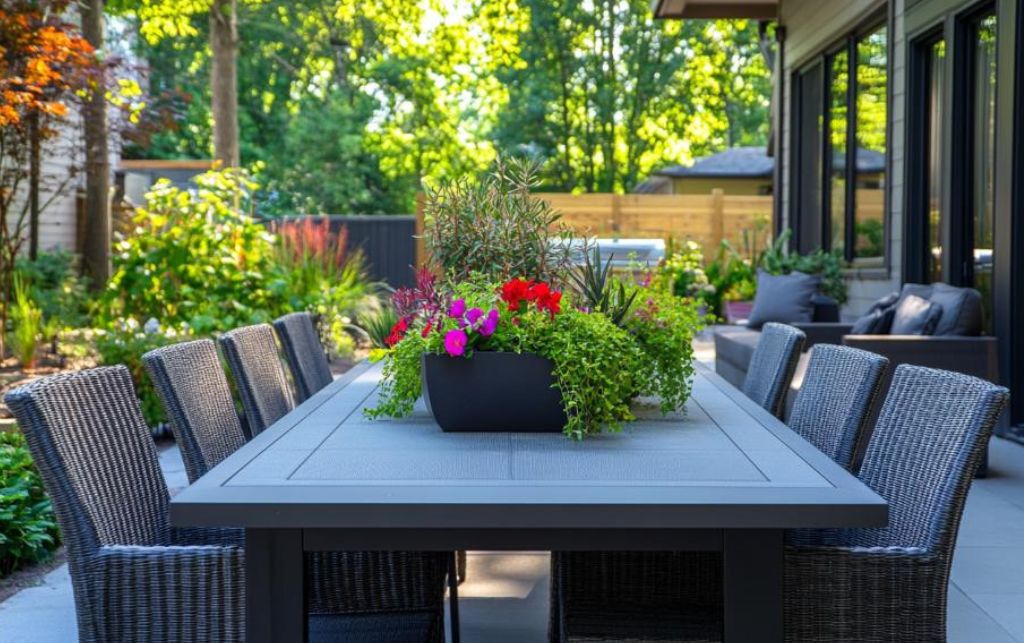
In areas with suitable climate:
Recently I created a winter dining garden that remains functional throughout the coldest months through retractable glass panels, integrated heating, and strategic evergreen planting. The client regularly hosts Christmas dinner in what they've dubbed their "winter garden dining room."
After observing countless outdoor dining installations, I've noted recurring issues that compromise otherwise promising spaces:
Problem: Many place tables without considering how people actually move through spaces, resulting in awkward circulation patterns.
Solution: Before finalising placement, physically mark the proposed table location and simulate dining scenarios - including serving, seating, and clearing - to identify potential bottlenecks.
Problem: Spaces are designed based on daytime assessments, overlooking evening light, temperature changes, and insect activity.
Solution: Evaluate potential dining locations at various times, particularly during typical dining hours. What appears ideal at noon may prove problematic at 7pm.
Problem: Beautiful settings are compromised by visible storage of cushions, serving equipment, or weather covers.
Solution: Incorporate discrete storage elements within the design - whether through built-in seating with storage capacity or dedicated cabinetry that complements the overall aesthetic.
Problem: Outdoor dining spaces designed exclusively for perfect summer days remain unused for most of the year.
Solution: Implement adaptable elements that extend seasonal use - from simple additions like quality outdoor heaters to more substantial investments in retractable roofing or windscreens.
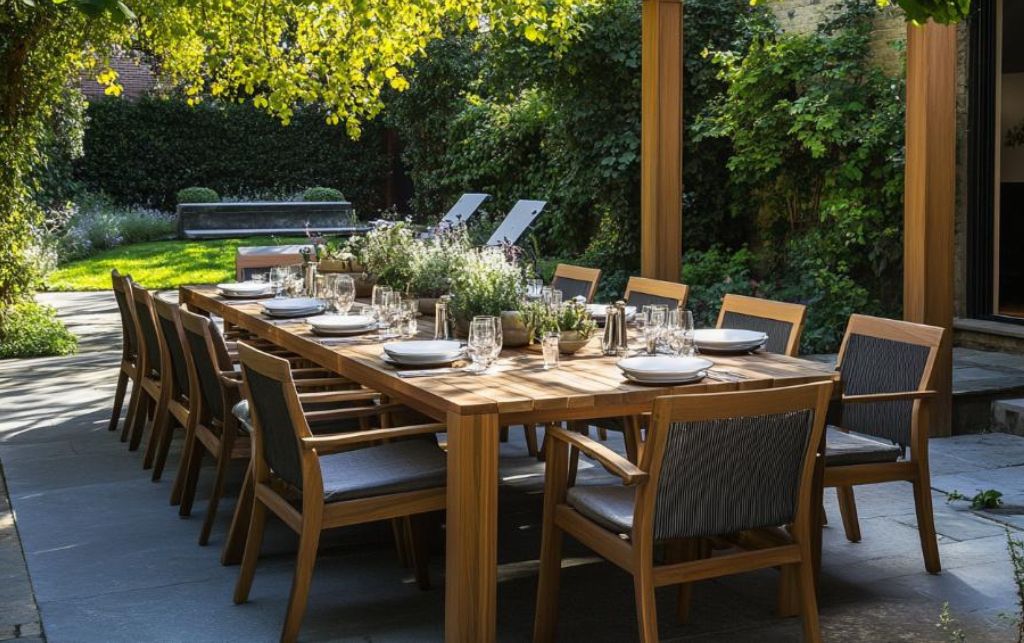
To illustrate these principles in practice, consider a recent project in Kensington. The clients - a couple who frequently entertain but had historically underutilised their substantial garden - wanted a flexible outdoor dining space that would accommodate both intimate family meals and larger gatherings.
The key elements included:
The space now functions virtually year-round, with the clients reporting they use the garden for dining approximately four times more frequently than before the redesign.
Creating truly exceptional outdoor dining spaces requires moving beyond conventional thinking. The placement of your outdoor dining table should never be an afterthought but rather the culmination of careful consideration of spatial relationships, material properties, and how you actually live.
The most successful outdoor dining areas I've created don't announce themselves with ostentatious features or fashionable trends. Instead, they reveal themselves through the experience they facilitate - comfortable conversation, memorable meals, and the simple pleasure of time spent in beautiful surroundings.
Remember that true luxury in outdoor dining isn't expressed through extravagant price tags but through thoughtful design that anticipates needs, solves problems elegantly, and creates a setting for meaningful moments. With proper placement, appropriate materials, and attention to experiential details, your outdoor dining space can become not just an extension of your home, but perhaps its most memorable feature.
About the Author: With over two decades designing exterior spaces for discerning clients throughout London and the Home Counties, our author brings practical expertise alongside a commitment to creating gardens that enhance daily living. Their work focuses on creating outdoor spaces that function as seamlessly as they appear beautiful.
We help designers & clients transform mundane spaces into extraordinary ones.


Book a video consultation and we'll advise you on furniture, space planning, colour schemes and much more.
Book A ConsultationBook a visit to our stunning, multi award-winning, 30,000 sqft.
Over 700 brands under 1 roof.


Most Popular on FCI London: Fitted Wardrobes | Luxury Designer Rugs | Luxury Sofas | Luxury Furniture Store | Luxury Interior Designers | Luxury Bedroom Furniture | Luxury Modern Chairs | Luxury Coffee Tables | Luxury Designer Kitchens | Luxury TV Units | Luxury Dining Tables | Luxury Storage Solutions | Luxury Sideboards | Luxury Stools & Bar Stools | Luxury Bespoke Joinery | Luxury Modern Hallway Furniture | Furniture Showroom Appointment | Luxury Lighting | Modern Luxury Outdoor Furniture
Transparency isn’t a policy. It’s a principle.
Have a peek at what our clients really have to say.