
Published Date: Nov 23, 2025
Written by: Emma Cyrus, Senior Copy, Content & Editorial Writer
Reviewed by: Sanjay Joshi, Senior Interior Designer at FCI London
Edited by: Zoona Sikander, Head of Content
Estimated Reading Time: 8 minutes
TL;DR - Selecting the right wood for your luxury wardrobe involves understanding the unique characteristics of hardwoods, softwoods, exotic options, and sustainable alternatives. From the timeless elegance of oak and walnut to the striking beauty of exotic species like purpleheart and zebrawood, each wood type offers distinct advantages in durability, aesthetics, and maintenance requirements. This comprehensive guide explores ten essential categories to help you make an informed choice that complements your design vision while ensuring lasting quality.

Table of Contents
The wrong timber choice can transform a £50,000 fitted wardrobe into an expensive mistake. While most homeowners fixate on door styles and internal configurations, the truly discerning understand that wood selection forms the foundation of any exceptional storage solution.
Having specified wardrobes for London's most prestigious addresses over three decades, I've witnessed how the right material elevates a functional necessity into a piece worthy of the finest homes. The oak that graced Georgian townhouses may have stood the test of time, but today's luxury wardrobe demands something rather more sophisticated.
This curated selection of ten premium timbers represents the pinnacle of wardrobe craftsmanship. Each possesses distinct characteristics that, when properly understood and specified, can create storage solutions of remarkable beauty and enduring quality. From the subtle grain patterns that catch morning light in Belgravia bedrooms to the rich patinas that develop in country house dressing rooms, these materials offer possibilities far beyond mere storage.
The difference between a good wardrobe and a magnificent one often lies in details invisible to the untrained eye. Here's what separates exceptional timber from the merely adequate, and why your choice of material matters more than you might imagine. When selecting wood for wardrobe construction, understanding the fundamental differences between material categories ensures your investment delivers both beauty and longevity.
When it comes to constructing luxury wardrobes, hardwoods are some of the most commonly used types of wood due to their durability, strength, and visual appeal. They are derived from deciduous trees and are known for their dense and robust nature, making them ideal for high-end furniture construction.
The best wood for your furniture depends entirely on your requirements for durability, aesthetics, and maintenance. One of the most popular hardwoods used in luxury wardrobes is oak, a durable and sturdy wood that offers a classic and timeless look. An oak wardrobe represents the quintessential choice for those seeking traditional elegance combined with exceptional structural integrity. Its straight grain and consistent colouring make it a popular choice for those seeking a traditional and elegant aesthetic.
Walnut is another favourite among homeowners and is known for its rich, warm tone and striking grain pattern that adds depth and dimension to any wardrobe design.
Other options to consider include maple, cherry, and mahogany, all of which offer unique characteristics that can enhance the appearance of a wardrobe. Maple is known for its durability and resistance to wear, making it an excellent choice for wardrobes that will see frequent use.
Cherry, on the other hand, boasts a warm and inviting colour that deepens over time and is perfect for a more traditional or formal wardrobe design.
Finally, depending on your home's aesthetic, you may prefer mahogany—a reddish-brown hardwood with a fine texture that adds a touch of luxury and sophistication to any wardrobe.
Key Takeaway: Hardwoods like oak, walnut, and cherry offer exceptional durability and timeless aesthetic appeal, making them the gold standard for luxury wardrobe construction where longevity and elegant grain patterns are paramount considerations.
Unlike hardwoods, softwoods are derived from coniferous trees and are typically less dense and less durable. While they are not as commonly used in luxury wardrobe construction, some softwoods can still provide a beautiful and functional option.
One type of softwood that is occasionally used in luxury wardrobe construction is pine. Pine is a light-coloured wood with a relatively straight grain and is often chosen for its affordability and accessibility. However, it is important to note that pine is relatively soft and is prone to dents and scratches, which can impact its durability over time. A pinewood wardrobe offers an accessible entry point into natural materials, though careful consideration of its limitations ensures realistic expectations.
You could also opt for cedar. Cedar has a unique natural scent and is often used for its insect-repelling properties. It also has a beautiful, warm colour and a distinctive grain pattern. While cedar may not be as durable as hardwoods, its natural properties make it a popular choice for wardrobe interiors or specialised storage areas such as shoe racks.
Other softwoods worth considering include:
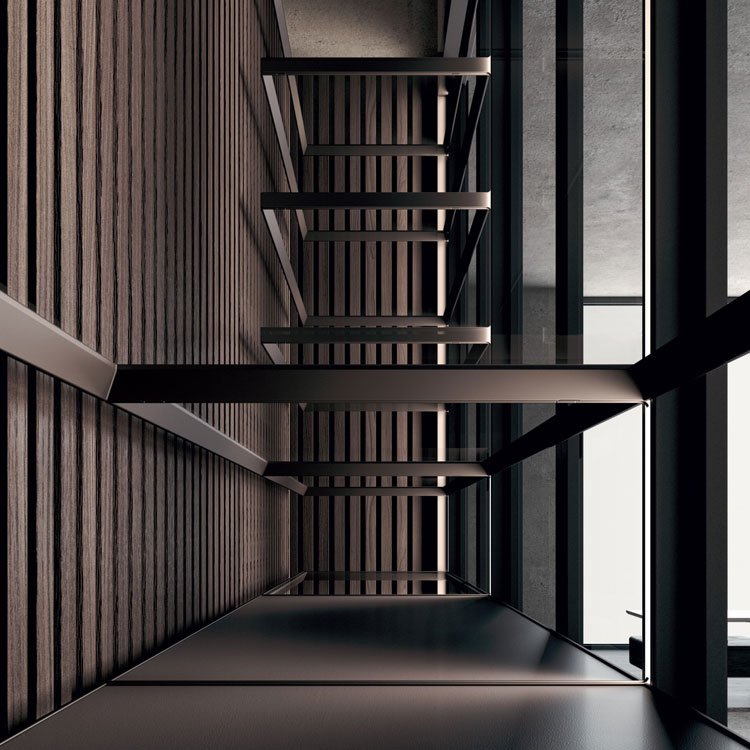
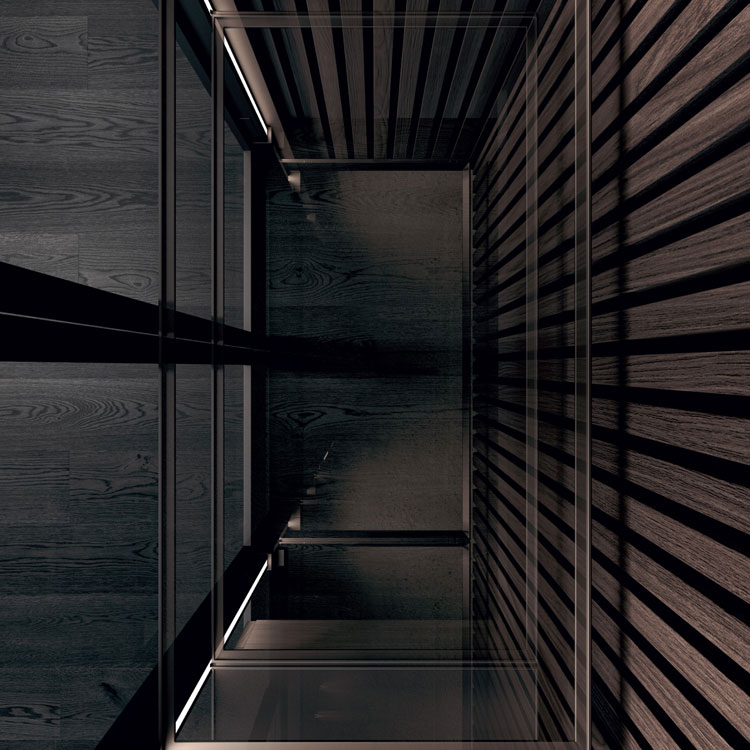
Key Takeaway: While softwoods like pine and cedar offer affordability and natural benefits such as insect resistance, they require more careful consideration for luxury applications due to their susceptibility to wear and reduced durability.
If you've ever admired a stunning wooden wardrobe and wondered about its material composition, you're not alone. Our team of wardrobe experts have been fortunate enough to work with some of the most exquisite, lesser-known woods available. We've consulted with them to bring you a list of their personal favourites, which you can consider for your wardrobe design.
Key Takeaway: Exotic woods offer unparalleled visual drama and unique character for luxury wardrobes, though their rarity and import requirements typically result in premium pricing and longer lead times for discerning clients.
Sustainable wood refers to wood that is harvested and sourced in a responsible and environmentally friendly manner, with a focus on preserving natural resources and promoting sustainable forestry practices. At FCI, we encourage our customers to discuss sustainable options with our designers, who are rather keen to share their expertise on the subject.
Over the years, we have seen the benefits of using sustainable wood in luxury wardrobe design, such as reducing the negative impact on the environment, promoting fair labour practices, supporting communities, preserving natural resources for future generations, and providing high-quality and durable materials.
Some of the most common sustainable woods in construction include:
Bamboo
A highly sustainable and fast-growing grass that is harvested without harming the plant. It is a versatile material that can be used for wardrobe frames, shelving, and doors.
FSC-certified hardwoods
Hardwoods such as cherry, maple, and oak are certified by the Forest Stewardship Council (FSC), an organisation that promotes responsible forestry practices and certification for wood products.
Lyptus
A hybrid of two eucalyptus species that grow quickly and sustainably, providing a highly renewable source of wood for luxury wardrobe construction.
Acacia
A hardwood that is naturally resistant to decay and insects, making it a highly durable option for luxury wardrobe construction.
Teak
A highly durable hardwood that is often grown and harvested responsibly, providing a sustainable and high-quality option for luxury wardrobe construction.
Walnut
A hardwood that is highly prized for its rich, dark colour and striking grain pattern. It is often grown and harvested responsibly.
Pine
A softwood that can be grown and harvested responsibly. It is a versatile material that can be used for both traditional and modern wardrobe designs.
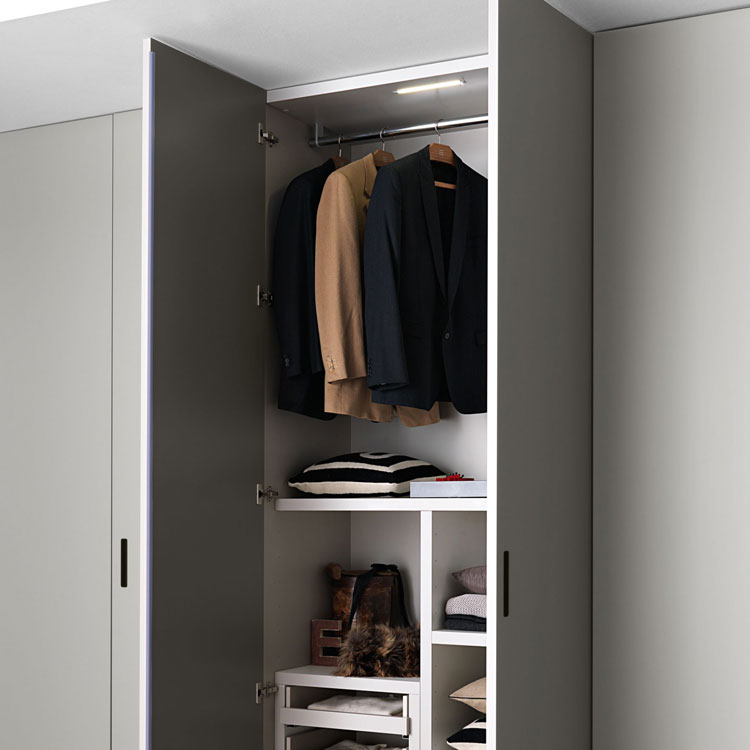
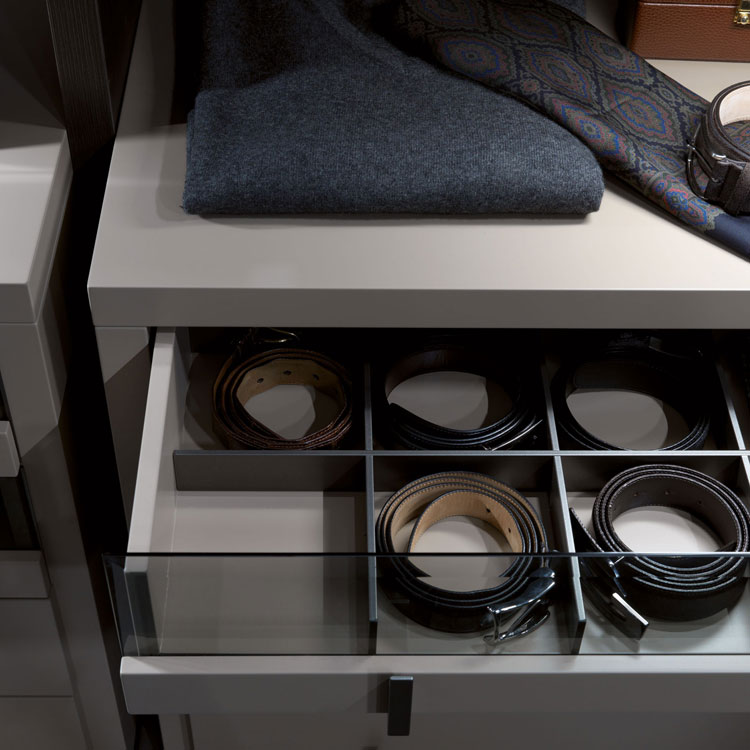
Key Takeaway: Sustainable wood options like FSC-certified hardwoods and bamboo allow environmentally conscious homeowners to achieve luxury aesthetics while supporting responsible forestry practices and reducing environmental impact for future generations.
Engineered woods are types of wood that are made from multiple layers of wood veneers that are glued together, with the grains of each layer running in different directions. These woods are highly versatile and can be used in a variety of components of luxury wardrobes.
You may have heard of an engineered wood called plywood. With plywood, each layer runs perpendicular to the one before it. This gives the wood its strength and durability, making it an excellent choice for wardrobe construction.
Particleboard is another common option. It's made from sawdust and resin pressed and heated to form panels, resulting in a dense, uniform material ideal for wardrobe construction. It is also an affordable and sustainable option, as it can be made from recycled wood.
Another example is medium-density fiberboard (MDF). MDF is made from wood fibres that are mixed with a binding agent and formed into sheets under high pressure and temperature. It is a highly uniform and smooth material, making it easy to shape and paint.
Less common options are Oriented strand board (OSB), Cross-laminated timber (CLT), and Fibre-reinforced plastics (FRP).
Key Takeaway: Engineered woods like plywood and MDF provide consistent quality and cost-effectiveness for luxury wardrobe construction, offering stability and workability that natural woods sometimes cannot match.
Reclaimed wood is a type of wood that is salvaged from old buildings, furniture, or other sources and repurposed for use in luxury wardrobe construction. This wood is often rich in character and history. It has unique features such as nail holes, saw marks and weathering that provide a one-of-a-kind look to the finished product.
Investing in a solid wood wardrobe guarantees authenticity and character that engineered alternatives simply cannot replicate. One of the benefits of using reclaimed wood in luxury wardrobe construction is its sustainability. By salvaging wood from old structures that are no longer in use, we can reduce the need to cut down trees and contribute to deforestation. Additionally, using reclaimed wood can help reduce waste and promote a circular economy by repurposing materials that might otherwise go to waste.
The best types of wood to use are those that are durable, stable, and rich. We recommend woods like Old-growth pine, Oak, Redwood and Chestnut.
Key Takeaway: Reclaimed woods offer exceptional character and sustainability benefits, bringing historical provenance and unique weathering patterns that create truly bespoke luxury wardrobes with unmatched environmental credentials.
The finish and stain applied to wood used in luxury wardrobes can greatly affect their appearance and durability. Finishes and stains can protect the wood from scratches, wear, and moisture, as well as enhance its natural beauty and grain patterns. There are several different finishes and stains available, each with its unique characteristics and benefits.
One of the most popular types of finishes is a clear finish. This type of finish allows the natural colour and grain of the wood to shine through while providing a protective layer to prevent scratches and wear. Clear finishes can be either oil-based or water-based—oil-based finishes provide a warmer, more amber colour, whilst water-based finishes offer a clearer, more transparent look.
Stains are another popular choice for luxury wardrobes. Stains can be used to enhance the natural colour of the wood or create a specific colour or tone. They can be either water-based or oil-based, and come in a variety of colours and opacities, from light and translucent to dark and opaque.
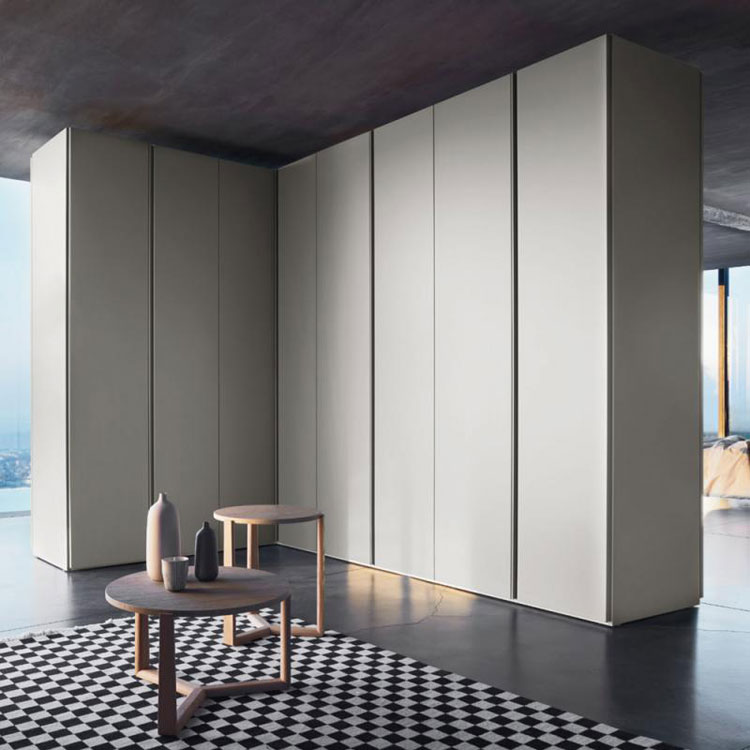
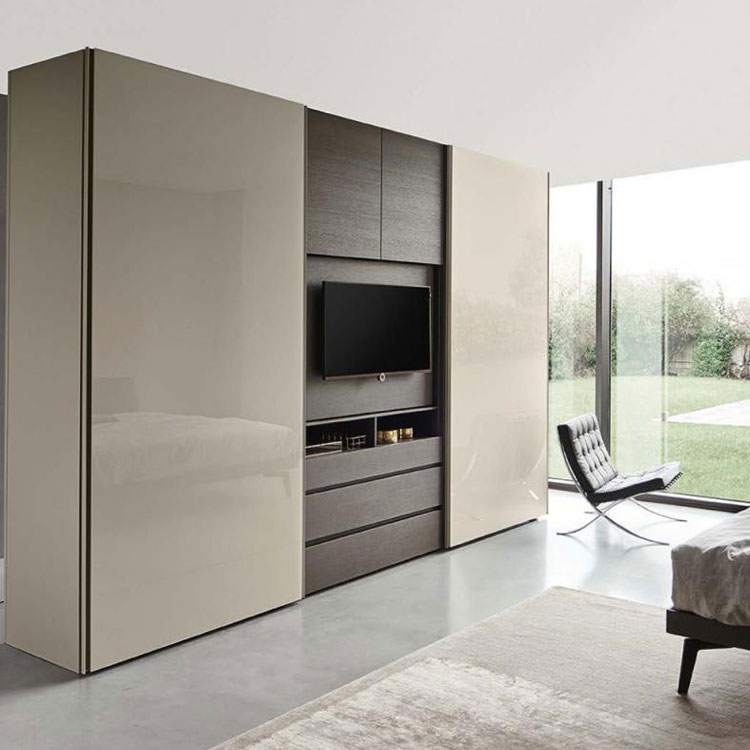
Key Takeaway: The choice between clear finishes and custom stains dramatically impacts both the aesthetic appeal and protective qualities of luxury wardrobes, allowing for complete personalisation while ensuring long-term durability.
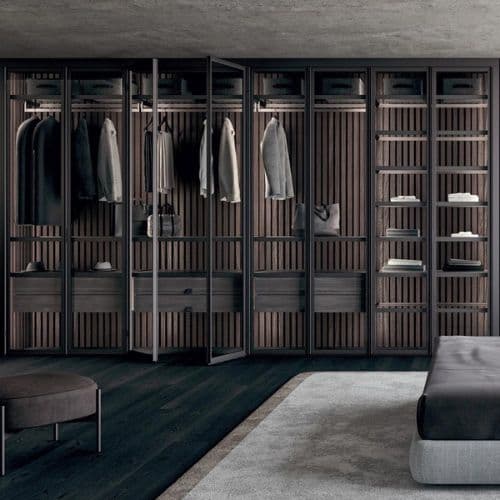
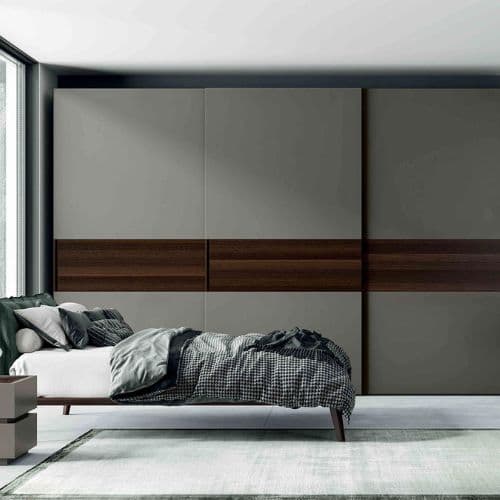
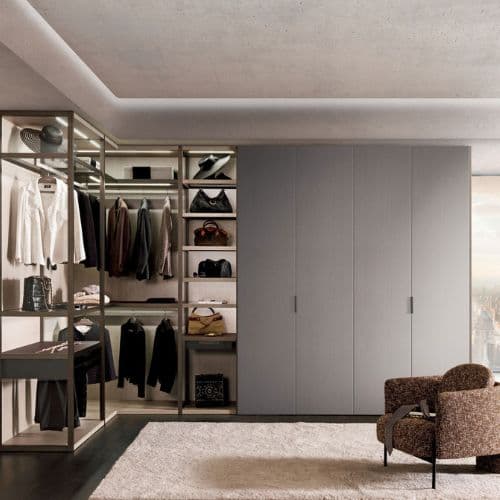
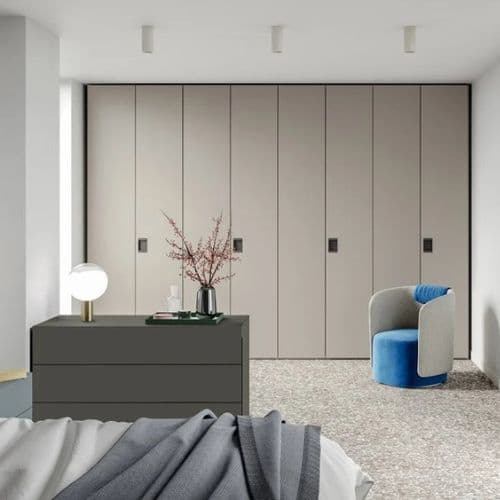
The natural grain and texture of a wood can greatly affect the aesthetic appeal of luxury wardrobes. Different types of wood have unique grain patterns and textures that can enhance the beauty and character of luxury wardrobes. Depending on the wood you choose, you can end up with a rich and dark aesthetic, as in this Milano Sliding Door Wardrobe by Misura Emme or a much lighter minimalist look, like this Geometric Walk-In Wardrobe by Dall'Agnese.
The way the wood is cut and prepared can also impact the grain pattern and texture, creating a range of visually appealing options. For instance, oak and cherry have distinctive and warm grain patterns, while maple and birch have a more subtle and modern look. Texture is another important factor, with woods like pine and cedar providing a traditional and rustic feel, and teak and walnut providing a sleek and modern appearance.
Smooth textures are created by sanding the wood to create a sleek and uniform surface, while rustic textures are created by leaving the wood in its natural state or roughing up the surface for a more weathered look.
Wire-brushed textures are created by brushing the surface of the wood with a wire brush to enhance the natural grain pattern, and distressed textures are created by intentionally creating marks and imperfections for a vintage appearance.
Different types of wood, such as maple, birch, teak, pine, cedar, oak, hickory, and ash, are often used to achieve these textures, providing a unique and visually appealing look that can complement various design styles.
Key Takeaway: Wood grain patterns and surface textures serve as the defining aesthetic elements of luxury wardrobes, with preparation methods like wire-brushing and distressing offering endless customisation possibilities to match any interior design vision.
Generally speaking, hardwoods like oak, maple, and cherry are easy to maintain as they are more durable and resistant to wear and tear, making them less likely to scratch, dent, or warp over time.
Softwoods like pine and cedar, on the other hand, are more porous and require more frequent maintenance to keep them looking their best.
With proper care and maintenance, both hardwood and softwood luxury wardrobes can provide many years of use and enjoyment. It's good practice to:
Key Takeaway: Proper maintenance through regular dusting, gentle cleaning, and protection from sunlight and moisture ensures luxury wardrobes retain their beauty for decades, with hardwoods requiring less frequent care than their softwood counterparts.
The type of wood used in luxury wardrobe construction can have a significant impact on both the cost and availability of the finished product. Some types of wood are more readily available and affordable, while others may be more difficult to obtain and come with a higher price tag.
Hardwoods like oak, maple, and cherry are among the most commonly used woods in luxury wardrobe construction and are generally readily available and relatively affordable. These woods are grown in many parts of the world and are often harvested from responsibly managed forests, making them a sustainable and environmentally friendly option.
As previously mentioned, exotic woods like teak, mahogany, and rosewood, on the other hand, can be more difficult to obtain and often come with a higher price tag due to their scarcity and unique characteristics. These woods are often imported from far-off regions and may require special permits or certifications to ensure that they are harvested sustainably and legally.
Reclaimed woods can also be a more affordable option, as they are salvaged from old buildings and repurposed for luxury wardrobe construction. However, the availability of reclaimed wood can vary depending on the location and availability of suitable sources.
Key Takeaway: Budget considerations significantly influence wood selection for luxury wardrobes, with common hardwoods offering excellent value while exotic species command premium prices due to scarcity and import complexities.
Which wood type offers the best balance of durability and aesthetic appeal for luxury wardrobes?
Oak and walnut consistently deliver exceptional performance in luxury wardrobe construction. Oak provides outstanding durability with its classic grain patterns, while walnut offers rich, warm tones that deepen beautifully over time. Both hardwoods resist wear exceptionally well and complement most interior design styles.
How do sustainable wood options compare to traditional luxury wood choices in terms of quality?
FSC-certified hardwoods like cherry, maple, and oak offer identical quality and performance to non-certified alternatives, with the added benefit of responsible sourcing. Bamboo provides remarkable strength and sustainability, though it creates a distinctly modern aesthetic rather than a traditional luxury appearance.
What maintenance differences should I expect between hardwood and softwood wardrobes?
Hardwood wardrobes require minimal maintenance - periodic dusting and annual polishing typically suffice. Softwood wardrobes need more frequent attention, including regular inspection for dents or scratches and more frequent polishing to maintain their appearance, particularly in high-humidity environments.
Can exotic woods be sourced responsibly for luxury wardrobe projects?
Absolutely, though it requires careful vetting of suppliers. Look for CITES certification and FSC approval when selecting exotic species. Reputable luxury furniture retailers maintain relationships with certified suppliers who can provide documentation proving sustainable harvesting practices for exotic woods.
Address & Hours:
FCI London, Rays House, North Circular Road, London, NW10 7XP
Monday - Saturday: 10am - 6pm
Sunday & Bank Holidays: 11am - 5pm
Contact Details:
Phone: +442081531235
Email: [email protected]
What to Bring:
Understanding the various types of wood for furniture empowers you to make informed decisions that align with both your aesthetic vision and practical requirements. To create a bespoke luxury wardrobe that complements the overall aesthetic of your living space, it is important to carefully consider the unique characteristics of each type of wood, including grain patterns, textures, durability, sustainability, and cost. With such a wide range of options available, from the natural beauty of hardwoods to the eco-friendliness of reclaimed wood, there is a wood type to suit every taste. Whether you're looking for a statement wardrobe or want to add a classic traditional design. We invite you to explore our showroom and interact with our impressive range of over 200 wardrobe material options.
"The delivery team called ahead and kindly helped remove the old wardrobe to make space for the new one. They were efficient, quick in assembly, and careful with placement. From start to finish, everything was smooth, easy, and professional."
- John Jack
"My experience with FCI was excellent from start to finish. I ordered a wardrobe and tables, and the staff were helpful, professional, and attentive. The fitters worked fast and clean. Fair pricing, no pressure, and I’m very pleased with the outcome."
- Dennis Smith
"I really appreciate Mrs Shahnaz for her great support in helping me design a beautiful wardrobe. She guided me with patience and suggestions, and I ended up with three amazing wardrobes. The decoration and finish look excellent, and I’m very satisfied."
- Aum Naser
We help designers & clients transform mundane spaces into extraordinary ones.


Get In Touch
Book A Video Chat
Book a video consultation and we'll advise you on furniture, space planning, colour schemes and much more.
Book A ConsultationVisit Our Showroom
Book a visit to our stunning, multi award-winning, 30,000 sqft.
Over 700 brands under 1 roof.
Most Popular on FCI London: Fitted Wardrobes | Luxury Designer Rugs | Luxury Sofas | Luxury Furniture Store | Luxury Interior Designers | Luxury Bedroom Furniture | Luxury Modern Chairs | Luxury Coffee Tables | Luxury Designer Kitchens | Luxury TV Units | Luxury Dining Tables | Luxury Storage Solutions | Luxury Sideboards | Luxury Stools & Bar Stools
Transparency isn’t a policy. It’s a principle.
Have a peek at what our clients really have to say.