
Published Date: Apr 06, 2025 | Last Updated: Jun 30, 2026
Written by: Emma Cyrus, Senior Copy, Content & Editorial Writer
Reviewed by: Perla Mignanelli, Senior Interior Designer at FCI London
Edited by: Zoona Sikander, Interior Design Writer & Social Media Content Creator
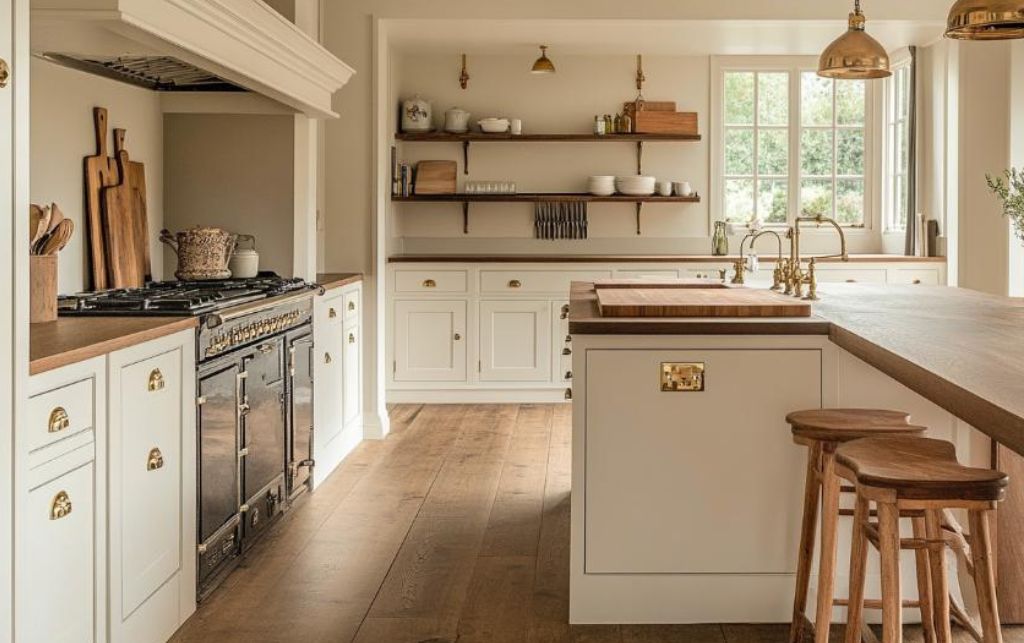
Table of Contents
A brutally honest perspective on why genuine quality endures in luxury kitchen design - from designers who've seen every trend come and go.
After specifying kitchen designs for two decades, I've developed what you might call a rather jaundiced view of kitchen trends. The industry's constant churn of "must-have" styles often amounts to little more than expensive marketing fluff.
Mind you, when I talk about luxury kitchens, I mean actual luxury—not just an eye-watering price tag with a fashionable name attached.
Let's begin with what I call the "Enduring Craftsmanship Principle."
While countless kitchen styles have surged and receded like seasonal tides, shaker kitchens have remained relevant since their 18th-century origins.
Their distinctive aesthetic wasn't born in a marketing department but rather within the Shaker religious community, whose devotion to simplicity, functionality, and uncompromising quality created a design language that speaks as clearly today as it did 250 years ago.
What these original craftspeople understood—and what many modern "luxury" kitchen brands often forget—is that true luxury isn't about ostentation or passing trends.
It's about a quiet confidence expressed through meticulous execution and thoughtful design. This understated elegance makes kitchens with shaker cabinets as relevant in a mansion as they are in a converted warehouse.
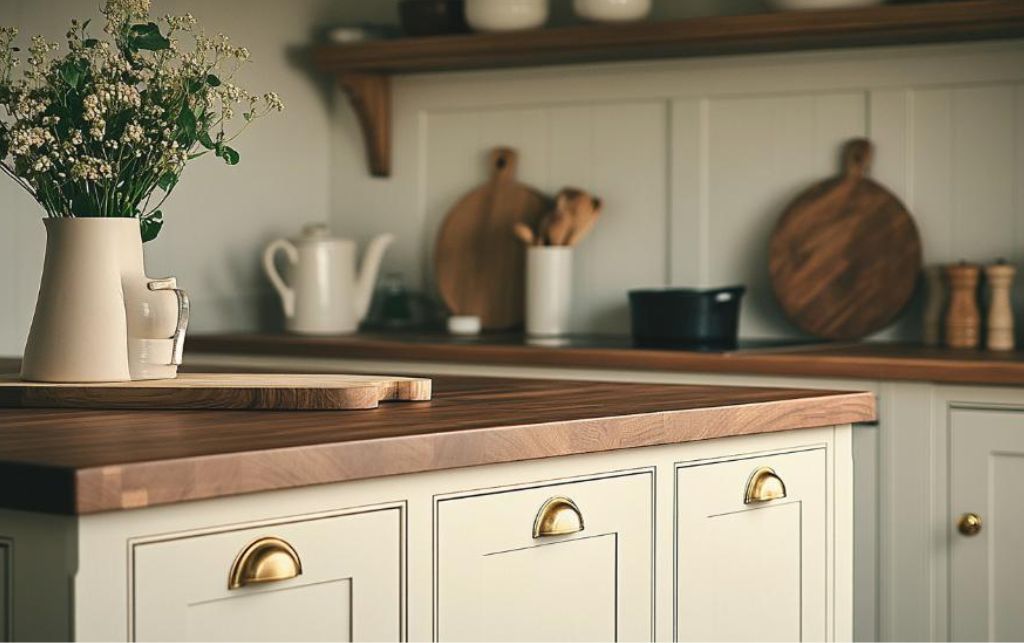
The hallmark of shaker door kitchens is their deceptive simplicity.
At first glance, their five-piece construction seems almost elementary: a frame with a recessed centre panel. But in this restraint lies their genius. No superfluous ornamentation. No unnecessary detailing. Just clean, architectural lines that create a sense of order and permanence.
Having specified hundreds of kitchens over my career, I've observed how this fundamental design framework acts as a perfect canvas for both traditional and contemporary interpretations.
Modern shaker kitchens might feature slightly slimmer proportions or more minimal detailing, but they remain instantly recognisable and eternally relevant.
The real magic, however, happens in the execution. Authentic shaker cabinetry should feature:
These elements aren't merely aesthetic choices but foundational to both the appearance and longevity of the kitchen—something that matters significantly when you're investing upwards of £80,000 in a space that should serve your family for decades.
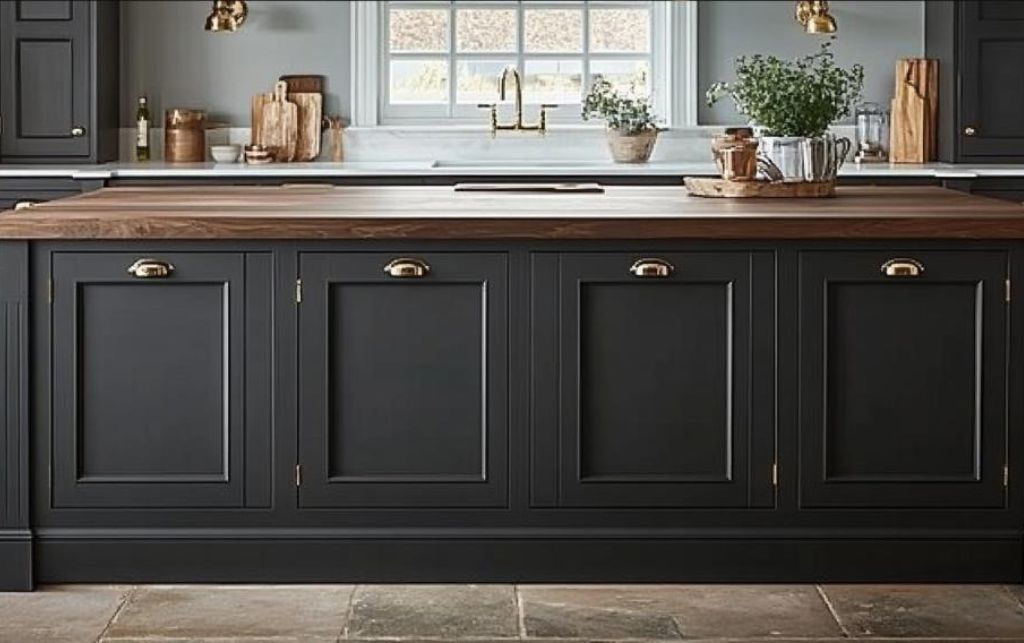
In my experience, affluent homeowners in London don't typically chase trends.
They seek quality, provenance, and a sense of timelessness—precisely what bespoke shaker kitchens deliver. When consulting with clients in their apartments or family homes, I've noticed a distinct pattern in what draws them to the shaker aesthetic.
First is the material integrity.
Quality shaker cabinetry uses solid timber—often oak, walnut, or tulipwood for painted finishes—rather than manufactured boards. This distinction matters tremendously for both durability and sensory experience. The weight of a solid wood door, the tactile quality of hand-finished surfaces, and even the subtle acoustics when cabinets close cannot be replicated with inferior materials.
Second is adaptability.
Contemporary shaker kitchens can be as minimalist or traditional as desired, depending on colour choices, hardware selection, and complementary elements. This versatility is particularly valuable in London's diverse architectural landscape, where a kitchen might need to complement anything from ornate Victorian features to sleek modern extensions.
Third, and perhaps most important for the discerning client, is the kitchen's ability to transcend time.
While fashion-driven kitchens begin looking dated within five years, a properly executed shaker kitchen looks as relevant today as it will in twenty years—a significant consideration when properties in prime London postcodes change hands for millions.
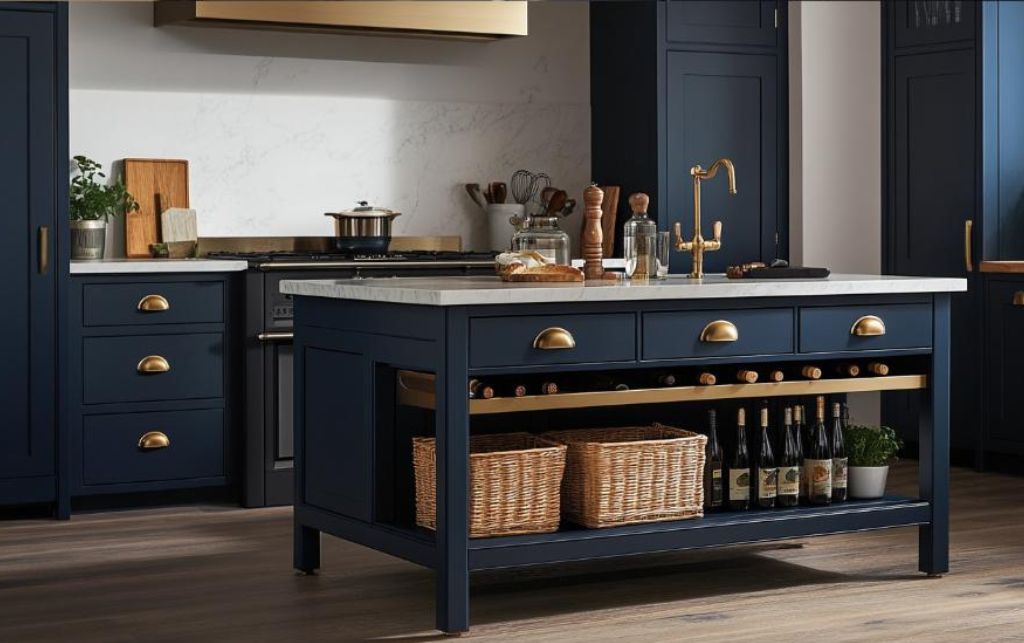
The foundational simplicity of shaker style kitchens provides exceptional versatility in finishes and detailing. For those seeking a more traditional expression, hand-painted finishes in heritage tones create depth and character.
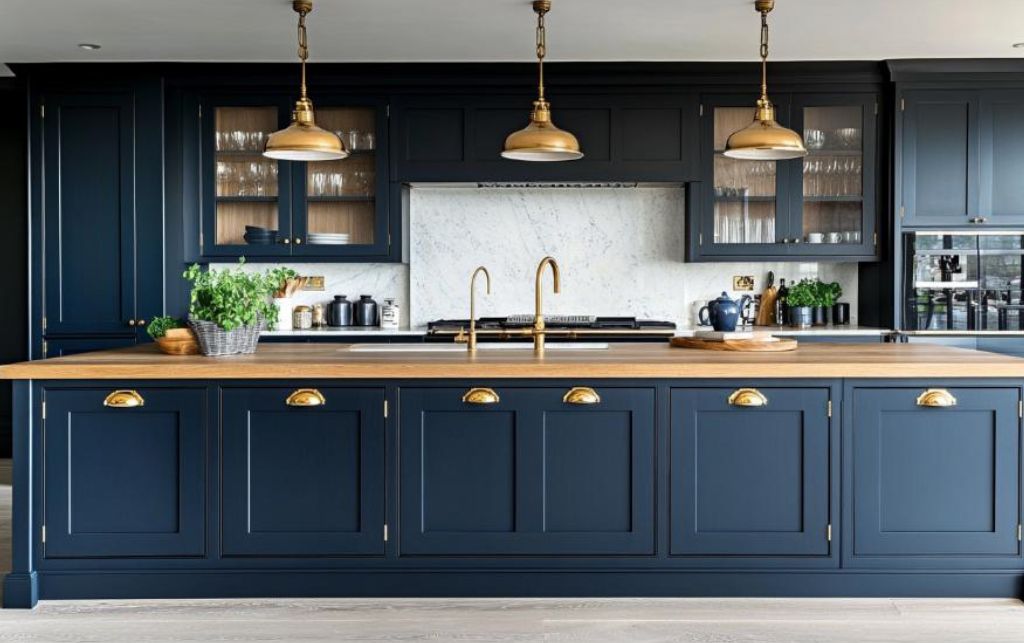
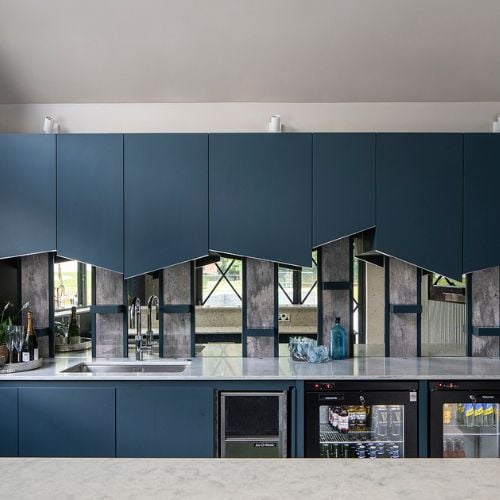
For contemporary interpretations, lighter palettes with cleaner lines and minimal hardware create an airy, modern feel while maintaining the framework's architectural integrity. I recently completed a project where we specified black-blue cabinetry with uninterrupted runs of drawers and brass edge-pull handles—a modern shaker kitchen that honours traditional craftsmanship while feeling utterly contemporary.
The true luxury, however, lies in the customisation. When specifying bespoke shaker kitchens, we can design around specific needs rather than forcing clients to adapt to standardised units:
This level of personalisation transforms a beautiful kitchen into one that feels almost telepathic in anticipating its owners' needs—a hallmark of genuine luxury that no off-the-shelf solution can match.
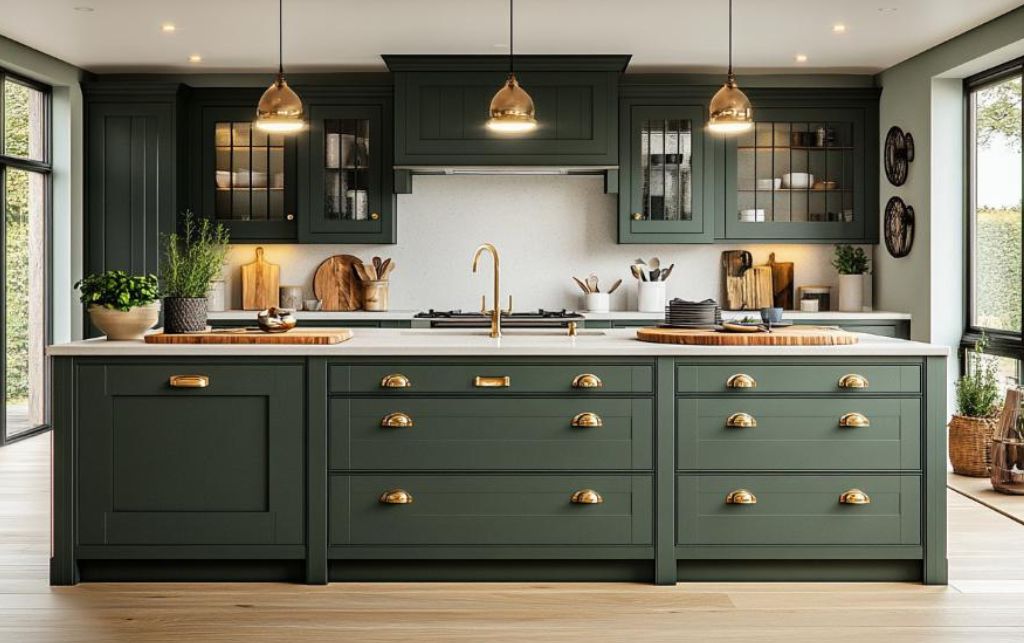
Let's be brutally honest about what separates genuinely luxurious kitchens from their merely expensive counterparts: engineering quality.
Having specified shaker kitchens for both residential and high-traffic commercial environments, I've developed a rather unforgiving eye for construction methods.
According to FIRA (Furniture Industry Research Association) standards, cabinetry for premium residential use should withstand a minimum of 50,000 opening cycles—roughly equivalent to 20 years of regular use. However, properly constructed shaker cabinetry easily exceeds these standards, often remaining functional for generations.
The difference lies in the details:
These engineering considerations aren't immediately visible but become apparent over time. I've revisited shaker kitchens I designed fifteen years ago that still function perfectly, while seeing "designer" kitchens half that age already showing significant wear.
This longevity isn't just satisfying—it's economical.
When amortised over decades rather than years, a properly crafted kitchen becomes an investment rather than an expense, something particularly relevant in London's prime property market.
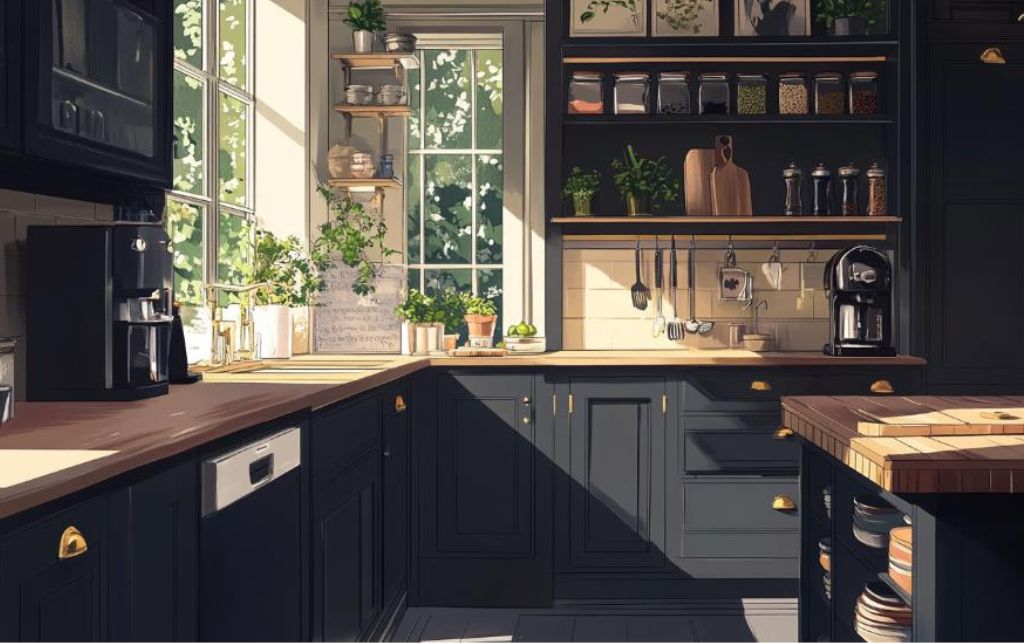
Speaking of property markets, the London real estate landscape has specific quirks worth considering. According to most real estate experts, a premium kitchen can add between 5-10% to a property's value—significant when dealing with properties valued in the millions.
However, this value enhancement isn't automatic. It requires thoughtful integration with the property's character and target market. In a traditional townhouse, a respectfully executed shaker kitchen harmonises with period features while providing modern functionality. For a contemporary apartment, a more minimalist interpretation of shaker design might better complement the architectural vision.
What remains constant is the quality perception.
Estate agents consistently report that discerning buyers can immediately sense genuine quality in kitchen cabinetry—the weight of doors, the smoothness of drawer operation, the precision of alignments. These tangible quality markers signal to potential buyers that the entire property has been maintained and improved with similar attention to detail.
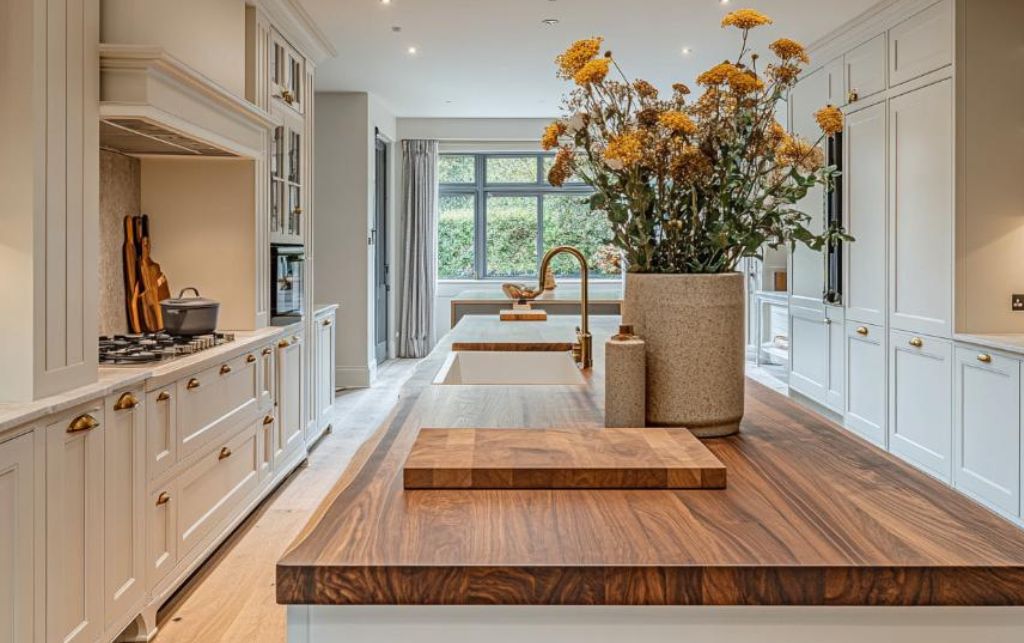
After two decades of watching kitchen trends come and go, I've developed an appreciation for designs that transcend fashion. Shaker kitchens represent not merely an aesthetic choice but a philosophy of living—one that values craftsmanship, functionality, and quiet sophistication over fleeting trends.
For homeowners in the UK's most discerning neighbourhoods, a bespoke shaker kitchen offers something increasingly rare: genuine quality expressed through thoughtful design and meticulous execution. It's a space that serves as both the functional heart of the home and a subtle statement of values—prioritising substance over show, craftsmanship over consumption, and timelessness over trendiness.
In an age of disposable design and manufactured obsolescence, there's something profoundly satisfying about creating spaces built to last generations—not merely until the next design magazine declares a new "must-have" style.
Perhaps that's the ultimate luxury: the freedom to choose enduring quality over endless novelty.
FCI London has more than 40 years in the luxury furniture and interior design industry, and we pride ourselves on being a trusted name creator of luxury interiors in London, both large and small.
Our longstanding relationships with the best craftsmen and designer brands from all over Europe are at your disposal, and we offer first-class delivery and installation of any product you purchase through us, ensuring that your experience is stress free and convenient.
Visit our 30,000 sq. ft.showroom, the largest luxury showroom in London, to discover, explore and experience a wide range of contemporary shaker kitchen fittings, along with professional advice from a team of experienced and award-winning interior designers.
Utilise our complementary services like 3D Rendering, project planning, and enjoy our signature personalised service. We aim to make your design journey as seamless as possible, saving you time and effort wherever possible.
Book your appointment today!
We help designers & clients transform mundane spaces into extraordinary ones.


Book a video consultation and we'll advise you on furniture, space planning, colour schemes and much more.
Book A ConsultationBook a visit to our stunning, multi award-winning, 30,000 sqft.
Over 700 brands under 1 roof.


Most Popular on FCI London: Fitted Wardrobes | Luxury Designer Rugs | Luxury Sofas | Luxury Furniture Store | Luxury Interior Designers | Luxury Bedroom Furniture | Luxury Modern Chairs | Luxury Coffee Tables | Luxury Designer Kitchens | Luxury TV Units | Luxury Dining Tables | Luxury Storage Solutions | Luxury Sideboards | Luxury Stools & Bar Stools | Luxury Bespoke Joinery | Luxury Modern Hallway Furniture | Furniture Showroom Appointment | Luxury Lighting | Modern Luxury Outdoor Furniture
Transparency isn’t a policy. It’s a principle.
Have a peek at what our clients really have to say.