
Published Date: Oct 10, 2025 | Last Updated: Jun 27, 2026
Written by: Emma Cyrus, Senior Copy, Content & Editorial Writer
Reviewed by: Saran Razzaq, Senior Interior Designer at FCI London
Edited by: Zoona Sikander, Head of Content
Estimated Reading Time: 8 minutes
TLDR: White corner TV units represent rather clever spatial thinking for London homes where square footage commands premium prices. These pieces transform overlooked corners into functional focal points whilst amplifying natural light through reflective surfaces. When specified thoughtfully, they're not compromises but strategic design solutions that expand visual boundaries, integrate technology discreetly, and bring architectural coherence to compact interiors. The finest examples balance proportion, material quality, and technological infrastructure to create genuinely sophisticated living spaces.
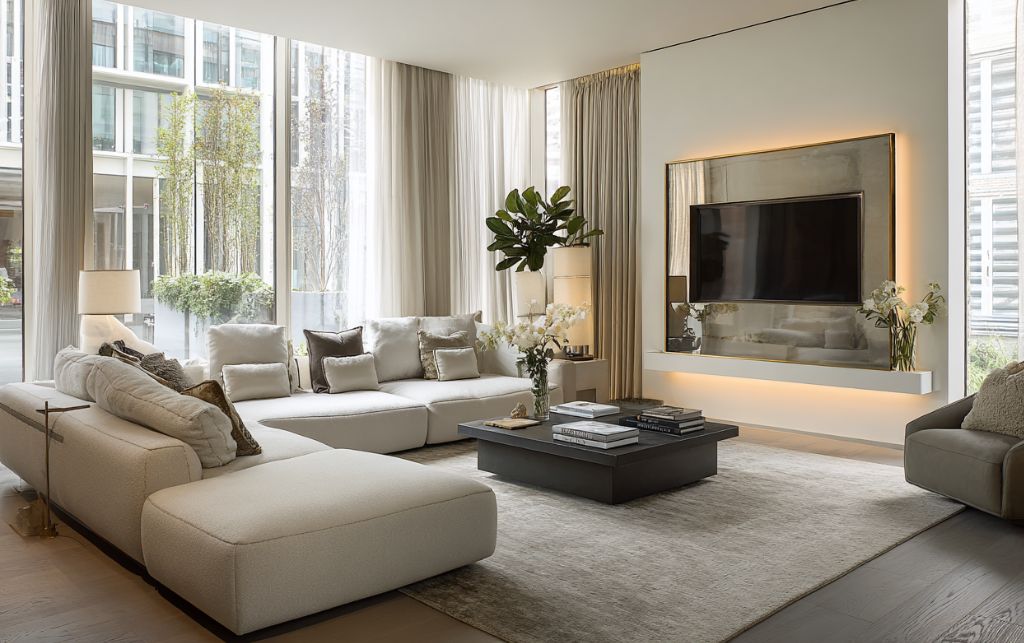
Table of Contents
There's a certain satisfaction in watching a client realise that their so-called "awkward corner" isn't a limitation at all, it's an opportunity in disguise. Corners, so often dismissed as spatial afterthoughts, can in fact become the quiet heroes of compact interiors. In London, where a Chelsea flat might command seven figures yet measure less than a suburban garage, every centimetre counts.
A white corner TV unit exemplifies intelligent spatial design. For clients seeking refined elegance, luxury TV units in a corner configuration elevate both function and aesthetics without compromising space. More than furniture filling a leftover gap, it's an architectural gesture, turning geometry into grace. With reflective white surfaces that amplify light and depth, such pieces make even modest rooms feel considered and expansive. The goal isn't to conceal the corner, but to celebrate it, using it as a tool to enhance both light and perception.
The distinction between a well-specified corner unit and a desperate space-saving attempt lies in intent. When a room feels naturally composed, as though its layout was always meant to be that way, the design has achieved quiet mastery. That illusion of inevitability, that sense of "of course it belongs there", is what defines sophisticated interior thinking.
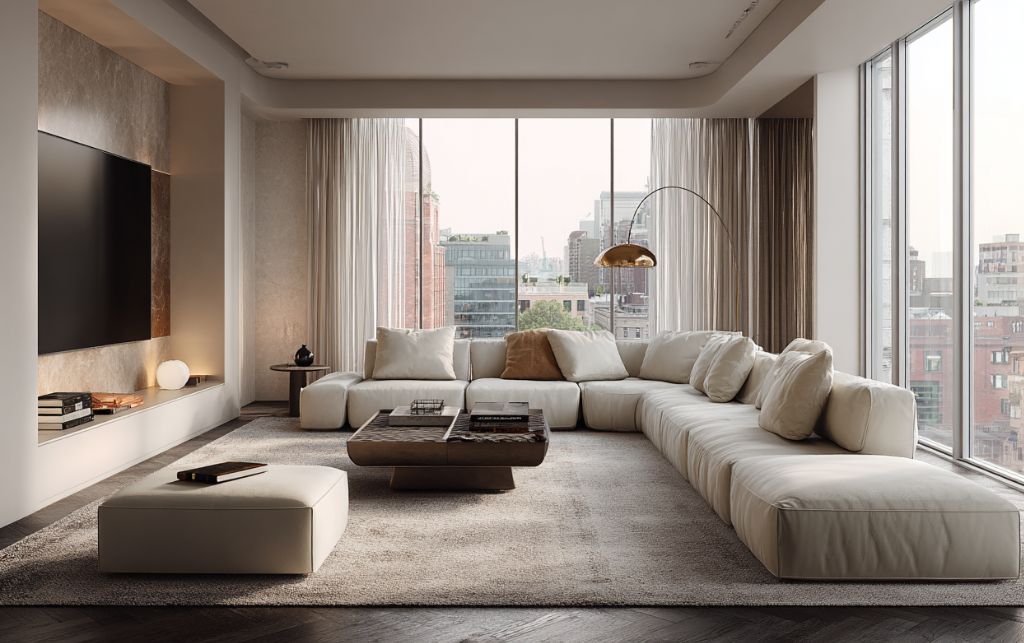
To appreciate why corner placement works so well in compact homes, one must consider perception itself. Corners sit outside our main sight lines, which makes them ideal for elements that should be present yet not visually demanding.
A white corner TV unit cleverly plays with this dynamic. It is particularly effective in making the most of overlooked spaces while enhancing light and perception. Its reflective finish keeps the corner from sinking into shadow, allowing the entire room to feel lighter and more open. This is especially valuable in north-facing flats where daylight is precious and must be managed deliberately.
The angular geometry also introduces diagonal sight lines that subtly expand a room's visual boundaries. In a recent project, we replaced a traditional wall unit with a bespoke corner configuration. The client instantly remarked that the room "felt larger", a perfect example of how strategic placement can reshape perception without adding a single inch of space.
Key Takeaway: Diagonal sight lines and reflective white surfaces work together to manipulate perception, making corners feel spacious rather than confined whilst managing precious daylight in British interiors.
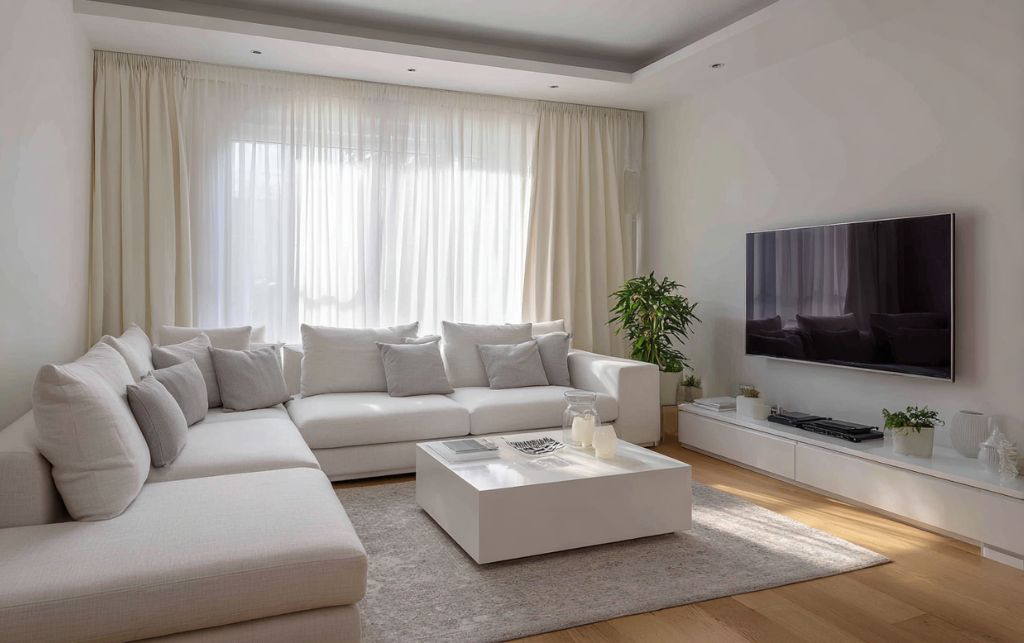
Choosing the right white corner TV unit begins with proportion and context. Despite what mass retailers suggest, this isn't a one-size-fits-all decision.
In smaller apartments or multifunctional rooms, a compact corner unit offers functionality without intrusion. In tight city flats, a small corner TV unit white ensures the lounge remains airy while accommodating essential media. Scaled for screens up to 40 inches, these designs integrate subtle storage while maintaining a sense of openness. For a sleek urban flat, a modern white corner TV unit reinforces clean lines and maximises floor space. The key is restraint; the unit should feel part of the architecture, not imposed upon it.
For medium-sized reception rooms, a white wooden corner TV unit in oak creates a nuanced balance between warmth and modernity. The soft oak grain beneath a white-painted finish adds texture and depth, avoiding the sterility of purely synthetic materials. This approach works beautifully in period homes, where you want contemporary refinement without erasing heritage.
In larger entertaining spaces, one might assume a corner unit is unnecessary, yet it can anchor the room elegantly. In expansive living areas, a large corner TV unit white can anchor the room while offering generous storage and display options. A substantial white corner TV unit, perhaps extending floor to ceiling, can integrate a media library, concealed bar, or ambient lighting. In a townhouse project, we recently executed such a design, and the result blurred the line between furniture and architectural joinery.
Key Takeaway: Scale matters profoundly - compact units preserve airiness in smaller flats, whilst substantial floor-to-ceiling designs in larger homes can integrate multiple functions without sacrificing architectural elegance.
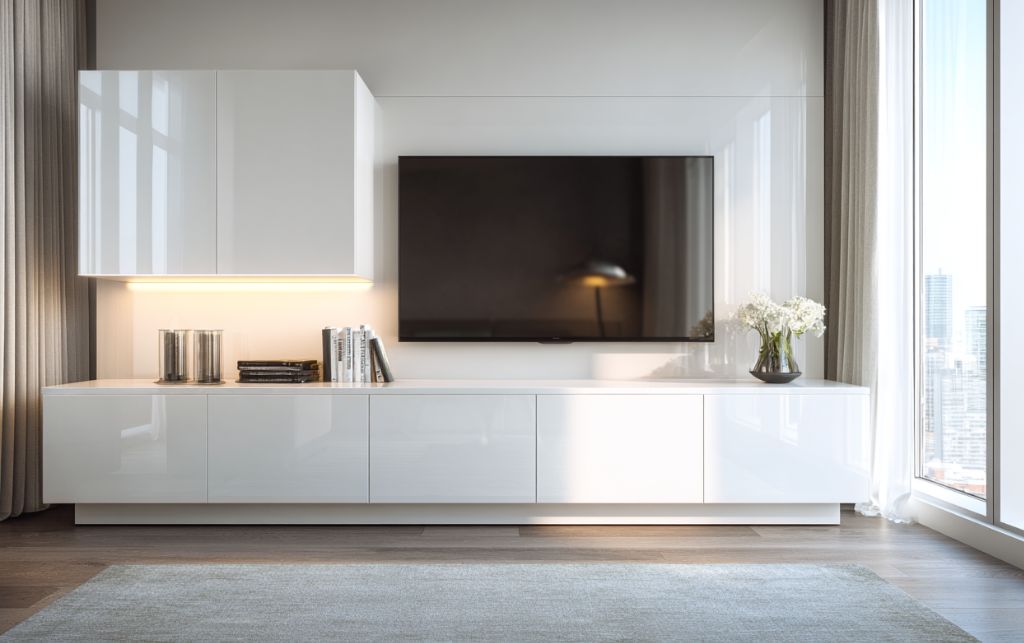
High-gloss finishes deliver maximum light reflection, ideal for crisp, modern interiors where geometry takes centre stage. Yet they require care, as fingerprints and minor marks show easily, something to note if your home sees frequent use.
Matte white, on the other hand, feels softer and more adaptable. It balances contemporary clarity with a sense of calm, bridging minimalism and warmth. A matte white corner TV unit can sit comfortably in both sleek modern flats and transitional homes with layered design elements.
An oak-and-white combination further elevates the look.
An oak and white corner TV unit brings warmth to a contemporary scheme while retaining a clean, bright finish. Pairing natural oak framing or drawers with painted white surfaces offers tactile contrast without visual clutter. This restrained palette harmonises particularly well with period architecture, preserving brightness while honouring traditional details.
Key Takeaway: Surface treatment dramatically affects both maintenance and mood - high-gloss maximises light but demands upkeep, whilst oak-and-white combinations bridge contemporary refinement with traditional warmth.
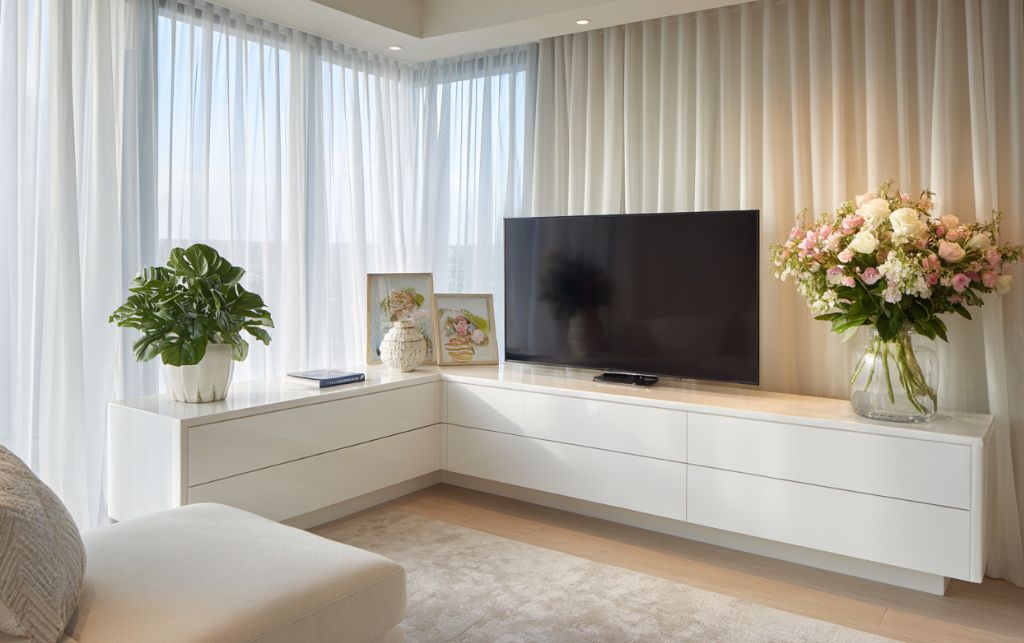
A frequent mistake is viewing a corner TV unit as mere storage rather than a piece of functional infrastructure. Your television, sound system, and lighting all rely on concealed yet efficient power and cable management.
A white corner TV unit with integrated LED lighting, for example, must allow for discreet wiring and adequate ventilation. This not only highlights the unit itself but also creates ambient mood lighting for the room. These considerations should be part of the design stage, not an afterthought resolved with visible clips or trailing cables. True craftsmanship hides complexity behind simplicity.
Screen size also dictates structure. For televisions of 55 inches or more, depth and proportion become critical. A white corner TV unit for 55 inch TV ensures proportional balance, stability, and optimal viewing angles in medium to large spaces. A well-proportioned unit grounds the screen visually, ensuring balance within the room. Too small a base, and the television appears to dominate; too large, and spatial efficiency is lost.
Ventilation is equally vital. Modern equipment generates heat, and poor airflow can shorten its lifespan. The best designs account for this through open backs or hidden ventilation grilles, proving that practicality and elegance can coexist seamlessly.
Key Takeaway: Exceptional corner units function as integrated infrastructure - concealing cables, managing ventilation, and balancing screen proportions whilst maintaining clean aesthetic lines that define sophisticated interiors.
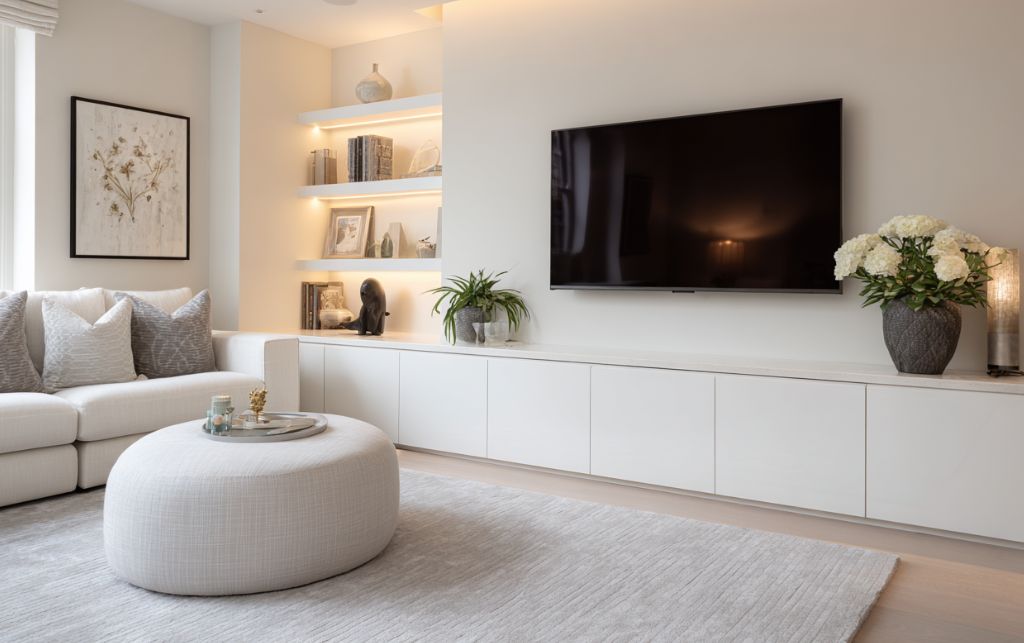
So, are white corner TV units truly the answer for small rooms? Unquestionably, when chosen with intention.
By occupying an unused corner, these units free the main walls for art, shelving, or simple openness. Installing a white corner TV unit can immediately free up wall space and visually open a compact room. The result is psychological spaciousness: the room feels calmer, less encumbered, more expansive than its footprint suggests.
White surfaces also enhance light distribution. Corner white TV units can cleverly integrate storage and technology without overwhelming the room. Designers call it "bounce", the way white reflects and disperses both daylight and artificial illumination. This effect brightens darker corners, reduces the need for extra lighting, and makes interiors feel more alive.
Diagonal sight lines further contribute to the illusion of space. Our eyes naturally trace along open planes; by softening those boundaries, a corner unit helps rooms appear broader and more inviting.
In a recent West Brompton flat, just 450 square feet, we installed a custom white corner TV unit that transformed a cramped lounge into a cohesive, breathable living area. The client's initial hesitation vanished once they saw how effortlessly it redefined the space.
Key Takeaway: White corner units liberate wall space, enhance light bounce, and introduce diagonal sight lines that psychologically expand compact rooms - transforming spatial constraints into genuine design advantages.
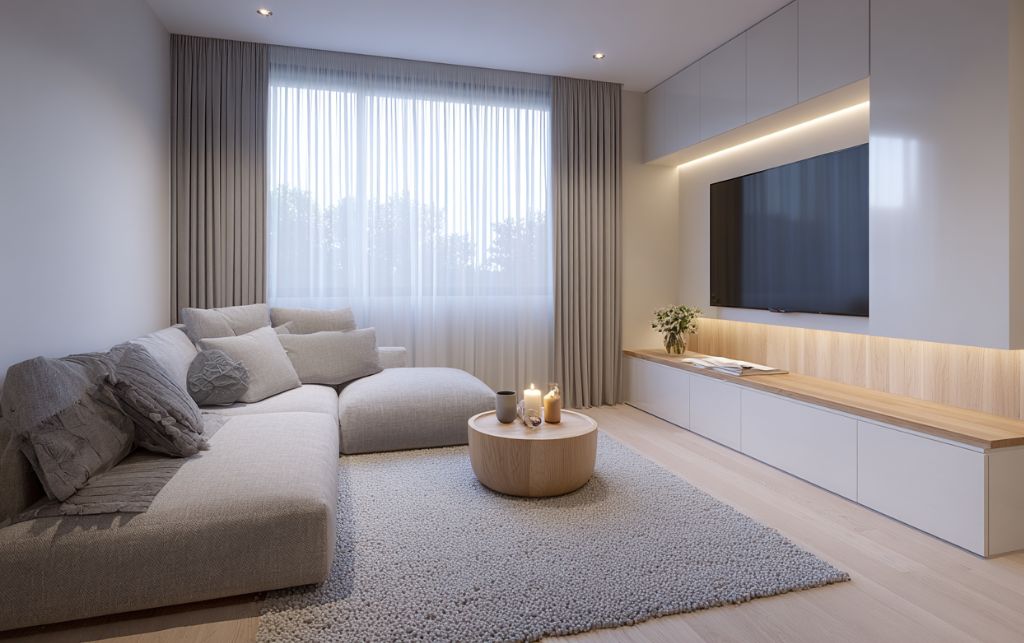
Even seasoned homeowners can misstep when specifying corner TV units. Three issues arise most often.
Adapting a standard wall unit for corner use rarely works. Purpose-built corner designs have specific angular geometry that maximises storage and minimises wasted space. Improvised solutions create awkward voids that gather dust and disrupt the room's clean lines.
Because corner placement alters sight lines, seating arrangements must be planned accordingly. The ideal view is perpendicular to the screen, but in multi-seating setups, perfect alignment isn't always possible. A thoughtful designer considers this balance early, ensuring no position feels compromised.
Radiators, sockets, and skirting details often complicate installation. Professional measurement accounts for these elements, while DIY attempts may not, leading to expensive modifications or ill-fitting results.
Key Takeaway: Purpose-built corner geometry, careful viewing angle planning, and professional measurement of architectural features separate exceptional installations from costly compromises.
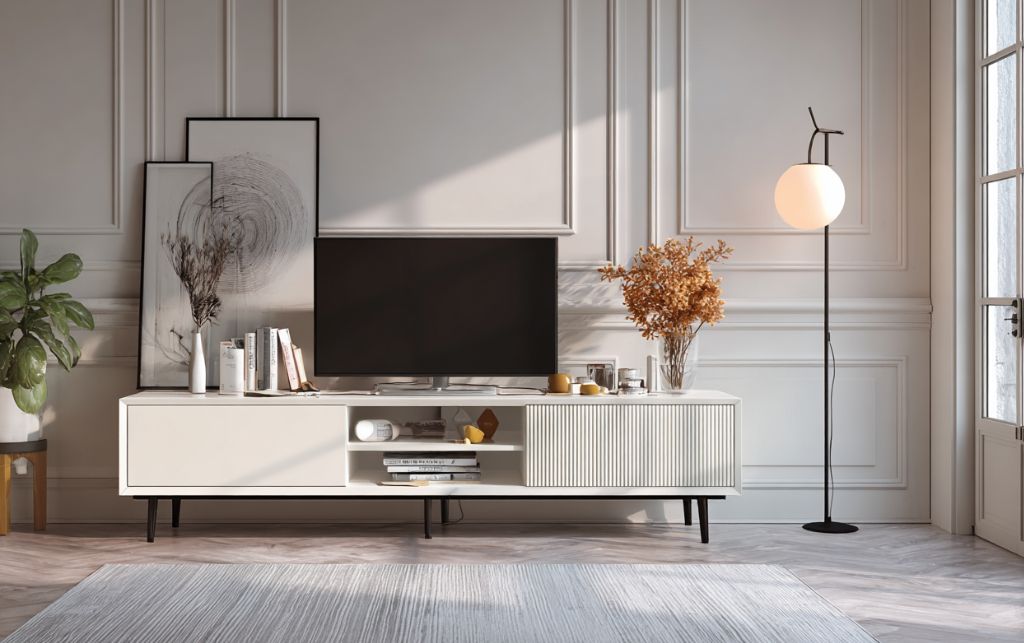
Styling transforms a corner TV unit from a functional necessity into a focal design statement. Without it, even exquisite joinery risks looking merely practical.
Consider visual framing. A tall plant or slender floor lamp placed beside the unit provides vertical balance. Alternatively, a sculptural vase or curated stack of books adds refinement without clutter. Remember, less is always more; the corner already introduces visual geometry; over-accessorising only muddies the composition.
Aim for balance, not symmetry. Two or three well-chosen accents, a ceramic piece, a textured bowl, and a single trailing plant are sufficient to elevate the scene while preserving spaciousness.
Key Takeaway: Restrained styling with two or three carefully selected accessories elevates corner units from functional furniture to intentional focal points without compromising the spatial openness they create.
What's the ideal screen size for a white corner TV unit in a compact London flat?
For smaller reception rooms, screens between 40-50 inches work rather well with compact corner units, providing immersive viewing without overwhelming the space. In medium-sized rooms, 55-inch screens pair beautifully with proportionally designed units that maintain visual balance. The key consideration is maintaining proper viewing distance - typically 1.5 to 2.5 times the screen's diagonal measurement - whilst ensuring the unit's depth and width ground the television appropriately within the corner geometry.
How does surface finish affect maintenance requirements for white corner TV units?
High-gloss lacquer finishes deliver extraordinary light reflection but require regular attention to fingerprints and dust, making them ideal for formal entertaining spaces with moderate daily use. Matte painted finishes prove more forgiving for family homes, concealing minor marks whilst maintaining contemporary elegance. Oak-and-white combinations offer the most practical solution, as natural wood grain patterns naturally camouflage everyday wear, whilst the painted sections benefit from wipeable surfaces that resist everyday marking.
Can white corner TV units work effectively in period properties without compromising architectural character?
Absolutely, when specified thoughtfully. Oak-and-white combinations particularly excel in Victorian and Edwardian homes, where the natural wood references traditional joinery whilst white finishes provide contemporary brightness. The key lies in respecting existing architectural details - skirting boards, cornicing, picture rails - through careful measurement and installation. Custom-built units can incorporate period-appropriate moulding profiles or panelling details that honour heritage whilst delivering modern functionality, creating seamless integration rather than jarring contrast.
What storage capacity should I expect from a well-designed white corner TV unit?
Compact units typically provide 2-3 shelves or drawers for media equipment and discrete cable management, sufficient for streaming devices, gaming consoles, and essential accessories. Medium-sized corner units expand this to 4-6 compartments, accommodating additional storage for books, decorative objects, or concealed electronics. Substantial floor-to-ceiling designs in larger homes can integrate extensive media libraries, display zones, and even concealed bars or lighting systems - essentially functioning as architectural joinery that serves multiple purposes whilst maintaining clean visual lines.
Address & Hours:
FCI London, Rays House, North Circular Road, London, NW10 7XP
Monday - Saturday: 10am - 6pm
Sunday & Bank Holidays: 11am - 5pm
Contact Details:
Phone: +442081531235
Email: [email protected]
What to Bring:
The question of whether white corner TV units suit compact rooms is less a matter of opinion than of understanding. When well-designed, they're not compromises but strategic solutions, tools that expand perception, manage light, and harmonise function with form. Small spaces demand intention, not apology. A thoughtfully specified white corner TV unit transforms a constraint into an architectural asset, combining storage, technology, and style with effortless coherence. I invite you to visit our London showroom to explore bespoke corner configurations in person. With professional guidance, what begins as a spatial challenge often becomes the very feature that defines your home's refined character.
Chava Kahn
"Service was personalised and excellent. Sanjay saw us through the process from start to end, ensuring that we were happy with our choices. The delivery guys were amazing and went the extra mile."
Linda Nobilio
"We had inbuilt furniture done in three bedrooms by FCI London, and honestly, we couldn't be happier with the results. The quality of their work is just next level. The furniture is solid, beautifully made."
Valentina Simone
"Our experience with FCI London has been flawless. The table and chairs we purchased are of excellent quality,t y and there was a great variety to choose from. Monica and Perla helped both with the original purchase and the delivery."
We help designers & clients transform mundane spaces into extraordinary ones.


Book a video consultation and we'll advise you on furniture, space planning, colour schemes and much more.
Book A ConsultationBook a visit to our stunning, multi award-winning, 30,000 sqft.
Over 700 brands under 1 roof.
Most Popular on FCI London: Fitted Wardrobes | Luxury Designer Rugs | Luxury Sofas | Luxury Furniture Store | Luxury Interior Designers | Luxury Bedroom Furniture | Luxury Modern Chairs | Luxury Coffee Tables | Luxury Designer Kitchens | Luxury TV Units | Luxury Dining Tables | Luxury Storage Solutions | Luxury Sideboards | Luxury Stools & Bar Stools | Luxury Bespoke Joinery | Luxury Modern Hallway Furniture | Furniture Showroom Appointment | Luxury Lighting | Modern Luxury Outdoor Furniture
Transparency isn’t a policy. It’s a principle.
Have a peek at what our clients really have to say.