
Published Date: Feb 16, 2026
Written by: Emma Cyrus, Senior Copy, Content & Editorial Writer
Reviewed by: Andrei Lee, Senior Interior Designer at FCI London
Edited by: Zoona Sikander, Head of Content
Estimated Reading Time: 5 minutes
TL;DR - After two decades designing bathrooms for London's most discerning clients, five defining trends have emerged: refined white schemes with textural layering, freestanding bathtubs as sculptural statements, intelligent optimisation of existing footprints, biophilic elements that create spa-like sanctuaries, and bespoke artistic installations. These reflect a broader shift towards conceiving bathrooms as personal retreats rather than purely functional spaces - investments that balance aesthetic sophistication with practical performance.
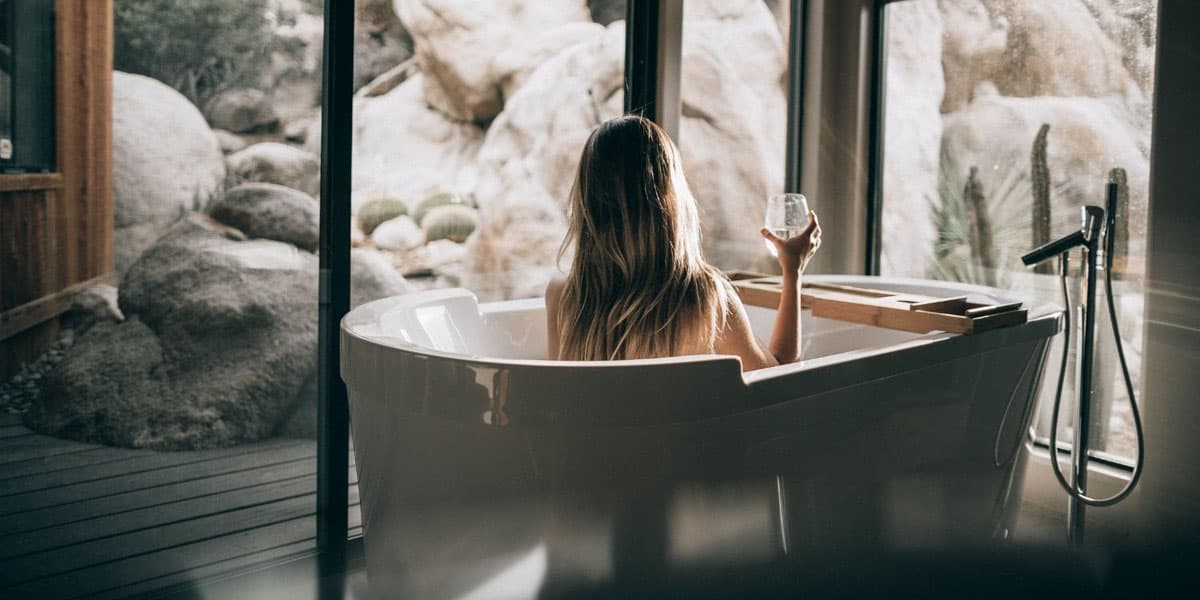
Bathrooms and kitchens remain the most renovated spaces in luxury homes, and this trajectory shows no signs of diminishing as we progress through 2026. What makes bathrooms particularly intriguing from a design perspective is the inherent tension between the purely functional and the deeply personal. Your clients may struggle to articulate precisely what they desire, yet they can emphatically describe what they cannot abide.
This apparent contradiction actually presents a tremendous opportunity.
When clients arrive without fixed ideas beyond "the current bathroom simply won't do," you have the scope to bring your expertise, knowledge of contemporary trends, and understanding of their lifestyle to create something genuinely exceptional. The most common complaints I encounter - outdated aesthetics, insufficient storage, cramped showering areas, and inadequate lighting - are merely symptoms of deeper issues: poorly conceived spatial planning, lack of consideration for how the room functions at different times of day, and failure to anticipate changing needs.
I've developed a nuanced understanding of what sophisticated homeowners genuinely value in their bathroom spaces. It's rarely about following trends slavishly; rather, it's about identifying enduring design principles that can be personalised to reflect individual taste whilst ensuring the room remains both beautiful and eminently usable.
Here are 5 bathroom trends our designers have identified that will continue to show up in 2026.
White remains the foundation of luxury bathroom design, though we've moved far beyond the small square tiles of previous decades. What distinguishes contemporary white bathrooms is the layering of textures, the interplay of warm and cool tones, and the strategic introduction of contrasting materials.
In a recent project, we created an all-white principal bathroom that avoided sterility through careful material selection: Calacatta marble with subtle grey veining for the floor and vanity surround, matte white zellige tiles for shower walls (their irregular surface catching light beautifully), and polished white cabinetry offset by unlacquered brass fixtures that will develop a warm patina over time.
Why This Works:
White schemes create an inherent sense of cleanliness and spaciousness - particularly valuable in London properties where bathroom dimensions may be more modest than one might prefer. The colour palette also references the aesthetic of high-end spas, establishing an immediate association with wellness and tranquillity. However, unrelieved white can feel clinical rather than luxurious.
The solution lies in introducing gentle contrasts: touches of warm timber (walnut or oak cabinetry), subtle grey marble veining, or the judicious use of colour. We're seeing increased interest in blue cabinetry - particularly deeper, sophisticated shades like navy or teal - which provides visual anchor without overwhelming the space.
Key Considerations:
Key Takeaways:
White schemes require thoughtful layering - subtle grey marble veining, warm wood accents, and varied surface finishes - to achieve luxury rather than clinical sterility. Deeper blue cabinetry and unlacquered brass fixtures provide contemporary sophistication whilst maintaining timeless appeal.

The freestanding bathtub has evolved from trend to established preference amongst luxury homeowners. What appeals most is the design flexibility these pieces afford - they can be positioned to optimise spatial flow, serve as room focal points, and express individual aesthetic preferences through form selection.
Acrylic remains the most practical material for freestanding tubs, offering excellent heat retention, durability, and design versatility at a more accessible price point than stone alternatives. However, for clients seeking ultimate luxury, we're specifying composite stone and even carved marble tubs that function as sculptural installations.
Practical Implementation:
The positioning of a freestanding tub requires careful consideration of both aesthetics and functionality. I recently worked on a townhouse where we positioned a cast iron roll-top tub at an angle in front of a bay window, creating a dramatic focal point whilst maintaining privacy through carefully specified obscured glass. The key was ensuring adequate space for circulation - you need at least 600mm clearance on all accessible sides for comfortable movement and cleaning access.
Plumbing logistics also merit attention. Floor-mounted taps create the cleanest aesthetic line but require coordination with structural services. Wall-mounted taps can be more practical but must be positioned at precisely the correct height - typically 750-800mm above the floor to the spout, though this varies based on tub rim height.
An Emerging Counter-Trend:
Interestingly, we're seeing renewed interest in alcove bathtub configurations, particularly in properties where space optimisation is paramount. This isn't a return to dated shower-tub combinations, but rather thoughtfully designed alcove installations with luxurious finishes and sophisticated integration with surrounding tile work or stone. These work particularly well in secondary bathrooms or guest suites.
Key Takeaways:
Freestanding tubs offer unparalleled design flexibility and serve as sculptural focal points, but require 600mm minimum clearance and careful plumbing coordination. Alcove configurations are experiencing a renaissance in secondary bathrooms where spatial efficiency matters without compromising luxury.
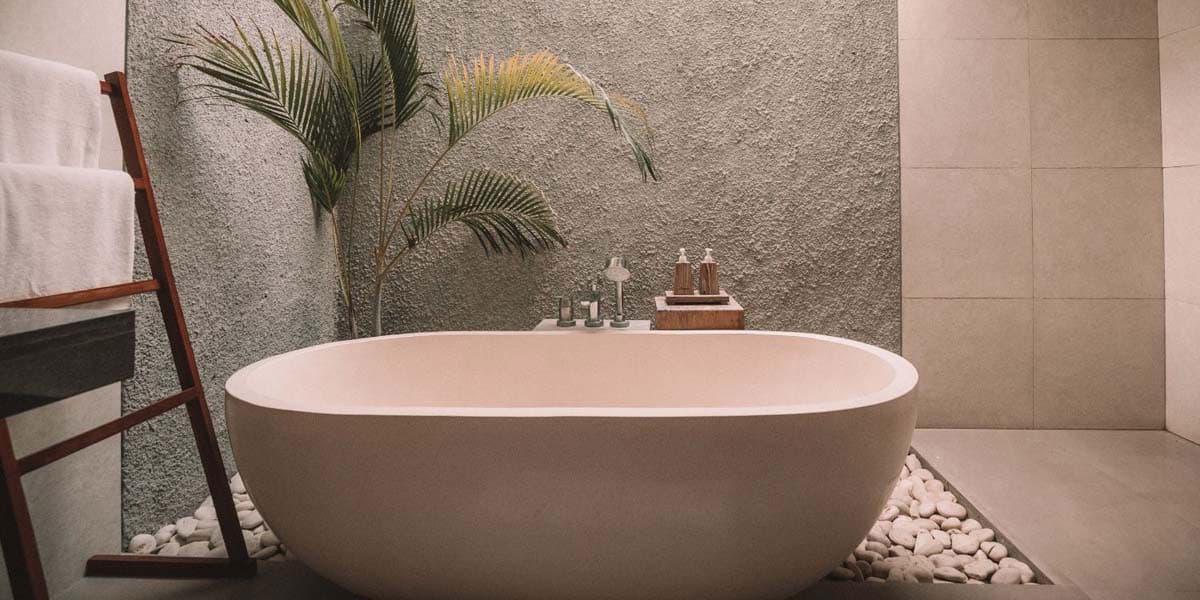
The majority of luxury bathroom renovations work within established spatial envelopes rather than pursuing costly extensions. This constraint actually encourages more thoughtful design - forcing careful consideration of circulation patterns, fixture placement, and storage integration.
The consistent request I receive is for more generous showering areas, often at the expense of bathtub dimensions or other elements. This reflects changing bathing habits: daily showering is practical and efficient, whilst bathing becomes an occasional indulgence rather than routine necessity.
Strategic Spatial Planning:
In a recent apartment renovation, we transformed a dated bathroom by removing a space-consuming corner tub and creating a generous wet room with rainfall shower and separate hand shower. This single change fundamentally altered how the room functioned - creating a sense of spaciousness that belied the modest dimensions.
The wet room approach works particularly well in luxury contexts because it eliminates visual barriers (shower screens, curtains, enclosure framing), creates an impression of expansiveness, and offers the practicality of easy maintenance. Proper waterproofing and drainage design are non-negotiable, this is emphatically not an area to economise.
Making Small Bathrooms Feel Substantial:
Several strategies prove consistently effective:
In a recent Notting Hill mews house, we used large-format porcelain slabs for both floors and walls, creating seamless surfaces interrupted only by the necessary fixtures. The result felt significantly more spacious than the dimensions suggested.
Key Takeaways:
Most luxury renovations optimise existing footprints through wet room configurations and visual continuity - eliminating barriers, maintaining consistent materials, and using recessed storage to create perceived spaciousness. Generous showers are increasingly prioritised over large bathtubs, reflecting modern usage patterns.
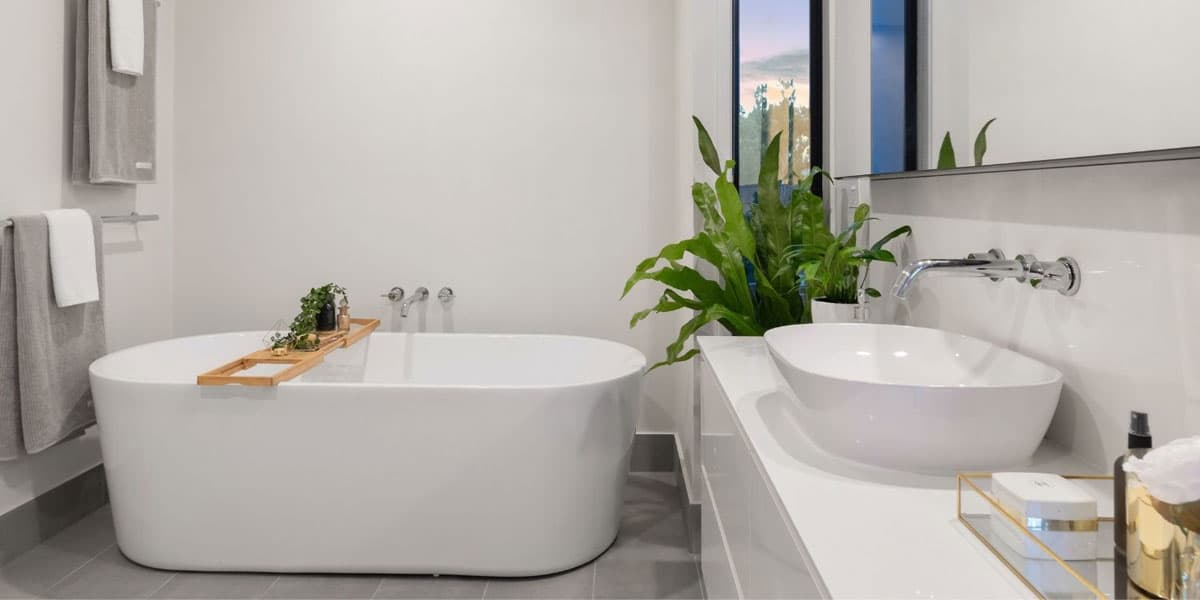
The incorporation of natural elements into bathroom design extends the broader biophilic trend increasingly prevalent in luxury interiors. Beyond aesthetic appeal, there's compelling research suggesting that connection to natural elements reduces stress and enhances wellbeing - precisely what clients seek in their private bathroom sanctuaries.
Practical Integration:
Incorporating nature into bathrooms requires more consideration than simply adding a potted fern. Humidity, temperature fluctuations, and variable light levels present challenges that must be addressed thoughtfully.
In bathroom projects, I typically approach biophilia through three strategies:
Living Elements:
Carefully selected plants that thrive in bathroom conditions - maiden hair ferns, orchids, pothos, and peace lilies. These require appropriate light levels (often supplemented with grow lights integrated into the design) and consideration of humidity management. In a recent project, we created a living wall in a wet room using preserved moss panels, offering the visual appeal of nature without the maintenance challenges of living plants.
Natural Materials:
Stone (particularly varieties with distinctive veining or fossil inclusions), timber (properly treated for humid environments), and materials like river rocks or pebbles for shower floors create tactile connection to nature. We recently specified a vanity in character-grade oak - the natural variations and knots telling a story that machine-made materials cannot replicate.
Natural Light:
Where structural conditions permit, skylights transform bathroom atmospheres. In a recent Hampstead project, we added a large skylight above the bathing area, creating a connection to the sky and allowing the client to bathe whilst observing changing weather and seasons. Where skylights aren't feasible, consider enlarged windows with appropriate privacy treatments—frosted glass, shutters, or carefully positioned landscaping.
Key Takeaways:
Biophilic elements - carefully selected plants, natural materials like stone and treated timber, and expanded natural light through skylights - reduce stress and enhance wellbeing in bathroom sanctuaries. Thoughtful integration requires addressing humidity, temperature fluctuations, and maintenance considerations specific to bathroom environments.
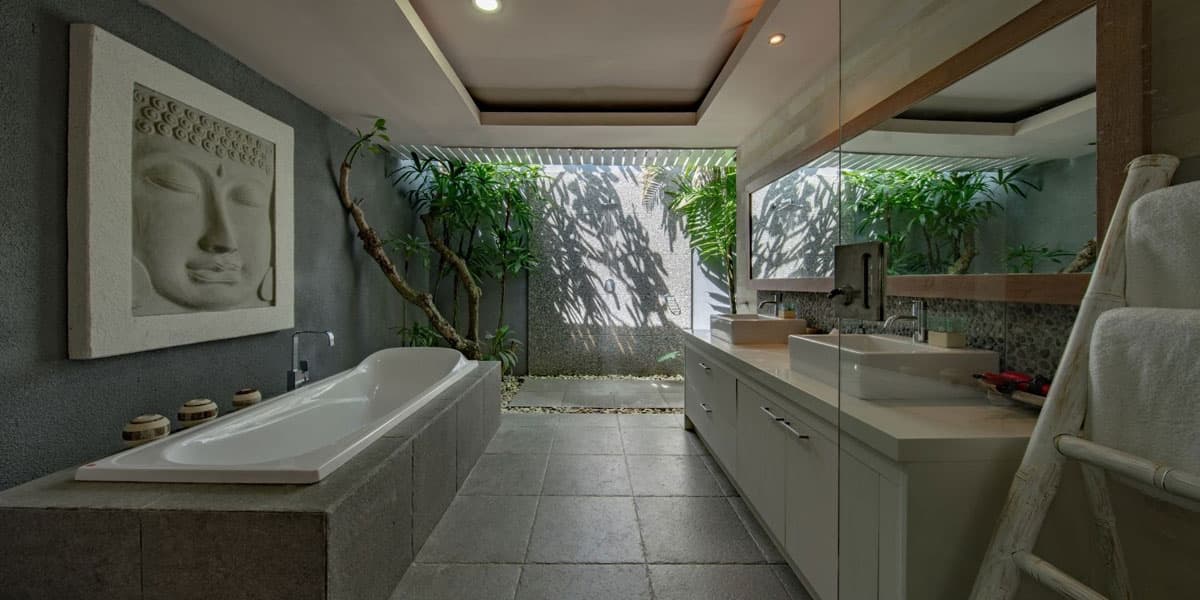
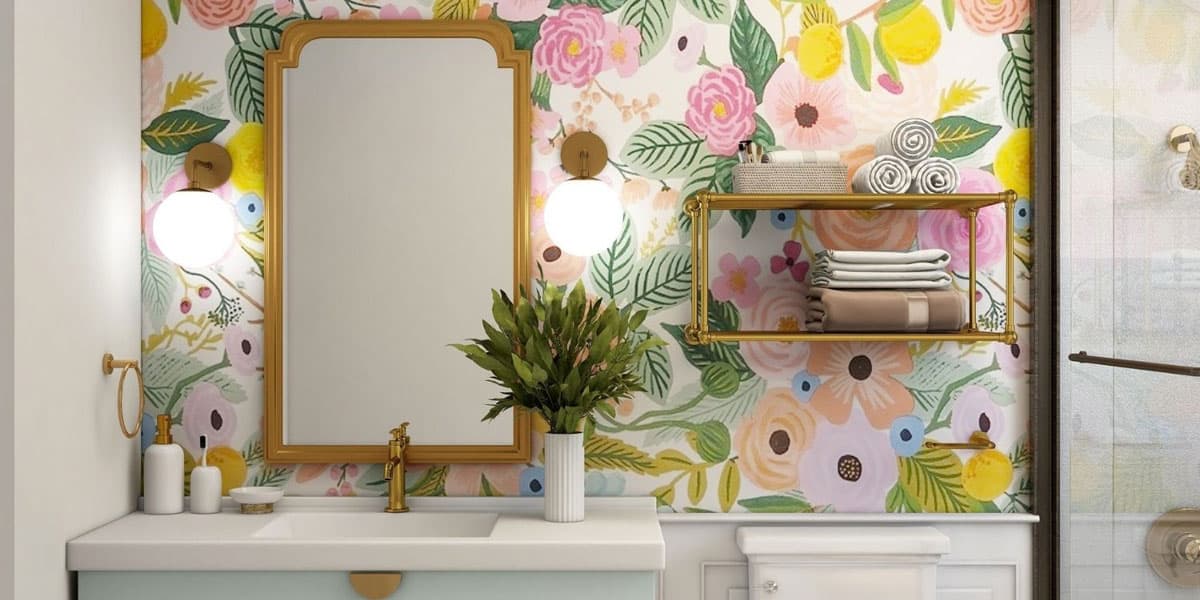
Contemporary luxury bathrooms increasingly incorporate artistic statements - particularly murals and bespoke decorative elements that transform utilitarian spaces into personalised galleries. This trend reflects broader cultural shifts: art collection is no longer confined to public spaces but extends throughout the home, including traditionally functional areas.
Implementing Artistry Without Overwhelm:
The key to successful artistic integration lies in restraint and intentionality. A mural or artistic element should enhance rather than dominate - creating a focal point that complements the room's function.
In a recent Chelsea project for a client with impressive contemporary art holdings, we commissioned a hand-painted mural for one wall of the principal bathroom - an abstract interpretation of botanical forms in subtle blues and greens that echoed colours found in adjacent rooms. The mural occupied a single plane, allowing the remainder of the room to maintain refined simplicity.
Alternative Approaches:
Not every client desires full wall murals. Alternative strategies for introducing artistic elements include:
The critical consideration is scale and placement. In smaller bathrooms, concentrate artistic elements in specific areas - perhaps an alcove or the wall opposite the entry where it's immediately visible but doesn't overwhelm. In more generous spaces, you have latitude for bolder statements.
Technical Considerations:
Bathrooms present specific challenges for artistic installations. High humidity and temperature fluctuations affect materials and finishes. Any painted murals require appropriate surface preparation and protective coatings. Wallpapers must be specifically rated for bathroom use. Even decorative tile selections require careful consideration of slip resistance for floor applications and appropriate sealing for longevity.
Key Takeaways:
Artistic elements - bespoke murals, decorative tiles, or book-matched stone - transform bathrooms into personalised spaces, but require restraint in scale and placement to enhance rather than overwhelm. Technical considerations for humidity and temperature must inform material selection, with painted murals requiring protective coatings and wallpapers rated specifically for bathroom use.
Over two decades of designing luxury bathrooms, I've observed recurring errors that undermine otherwise well-conceived projects:
Inadequate Lighting Design:
Bathrooms require layered lighting - task lighting at mirrors for grooming, ambient lighting for atmosphere, and accent lighting to highlight architectural features or materials. A single overhead fixture, regardless of how beautiful, cannot serve all these functions. Specify dedicated mirror lighting (ideally integrated into the mirror itself or positioned at eye level on either side), consider LED strips to highlight architectural details, and include dimmers for versatility.
Compromising on Ventilation:
Proper ventilation is non-negotiable in luxury bathrooms. Inadequate extraction leads to moisture damage, and deterioration of finishes. Specify high-quality extraction fans appropriate for room volume (they should achieve 8-10 air changes per hour), positioned strategically, and importantly, ensure they're sufficiently quiet not to disrupt the spa-like atmosphere you're creating.
Neglecting Storage Requirements:
Even in luxury bathrooms, storage remains essential. The absence of adequate, well-designed storage leads to cluttered countertops that undermine the serene aesthetic you've worked to achieve. Consider recessed medicine cabinets, drawer storage within vanities, and perhaps a separate storage zone for linens and cleaning supplies.
Underestimating Towel Warming:
In British climate, heated towel rails are essential rather than luxury additions. Size them appropriately for the number of towels in regular use (most are undersized), position them for convenient access from both shower and bath, and consider supplementary heating - underfloor heating transforms the bathroom experience, particularly during winter months.
Improper Shower Configuration:
Shower valve placement requires careful consideration. Position mixers and controls outside the direct water stream (allowing temperature adjustment before stepping in), ensure adequate clearance for the user when operating controls, and specify thermostatic valves to prevent temperature fluctuations when other water outlets are used simultaneously.
Effective luxury bathroom design requires balancing contemporary trends with enduring principles: thoughtful spatial planning, quality materials, excellent craftsmanship, and attention to how the space functions daily. The five trends I've discussed - refined white schemes, freestanding bathtubs, spatial optimisation, biophilic integration, and artistic statements - provide a framework for creating bathrooms that feel both current and timeless.
The bathrooms that consistently succeed are those where every decision, from major architectural moves to the smallest hardware selection is made with clear understanding of how the client lives, what they value, and how they wish to experience this most private space.
If you're embarking on a luxury bathroom project, I encourage you to think beyond trends and focus on creating a space that genuinely enhances daily life. Consider the sensory experience: how light moves through the space, how materials feel underfoot and underhand, how the room sounds and smells. These qualities ultimately matter far more than whether you've incorporated every current trend.
For those seeking expert guidance on luxury bathroom design and access to premium fixtures and fittings, I invite you to explore our design services at FCI London. Our design team brings decades of experience creating exceptional bathrooms for discerning clients, and we're here to support your projects from initial concept through to final installation.
Visit Our Showroom
Address & Hours:
FCI London, Rays House, North Circular Road, London, NW10 7XP
Monday - Saturday: 10am - 6pm
Sunday & Bank Holidays: 11am - 5pm
Contact Details:
Phone: +442081531235
Email: [email protected]
What to Bring:
Customer Reviews
Valentina Simone
"Our experience with FCI London has been flawless. The table and chairs we purchased are of excellent quality, and there was a great variety to choose from. Monica and Perla helped both with the original purchase and the delivery."
Carol O'Regan
"Ricardo at FCI provided great customer service with his expertise and advice. The quality of the chairs and bar stools is excellent and fits in with our kitchen/diner well."
Nedelia Martin
"I discovered FCI London almost 5 years ago, and I keep going back to them when I need to buy furniture. The team is fantastic, both the sales staff and the in-house designer were knowledgeable, helpful, and really took the time to understand my style."
We help designers & clients transform mundane spaces into extraordinary ones.


Book a video consultation and we'll advise you on furniture, space planning, colour schemes and much more.
Book A ConsultationBook a visit to our stunning, multi award-winning, 30,000 sqft.
Over 700 brands under 1 roof.
Most Popular on FCI London: Fitted Wardrobes | Luxury Designer Rugs | Luxury Sofas | Luxury Furniture Store | Luxury Interior Designers | Luxury Bedroom Furniture | Luxury Modern Chairs | Luxury Coffee Tables | Luxury Designer Kitchens | Luxury TV Units | Luxury Dining Tables | Luxury Storage Solutions | Luxury Sideboards | Luxury Stools & Bar Stools
Transparency isn’t a policy. It’s a principle.
Have a peek at what our clients really have to say.