
Published Date: Mar 02, 2026
Written by: Emma Cyrus, Senior Copy, Content & Editorial Writer
Reviewed by: Saran Razzaq, Senior Interior Designer at FCI London
Edited by: Zoona Sikander, Head of Content
Estimated Reading Time: 10 minutes
TLDR: Sustainability in interior design is no longer a niche consideration. It is a mainstream expectation among discerning clients, and the designers best placed to meet it are those who understand both the principles and the materials. Here is a practical framework to guide your thinking and your conversations.
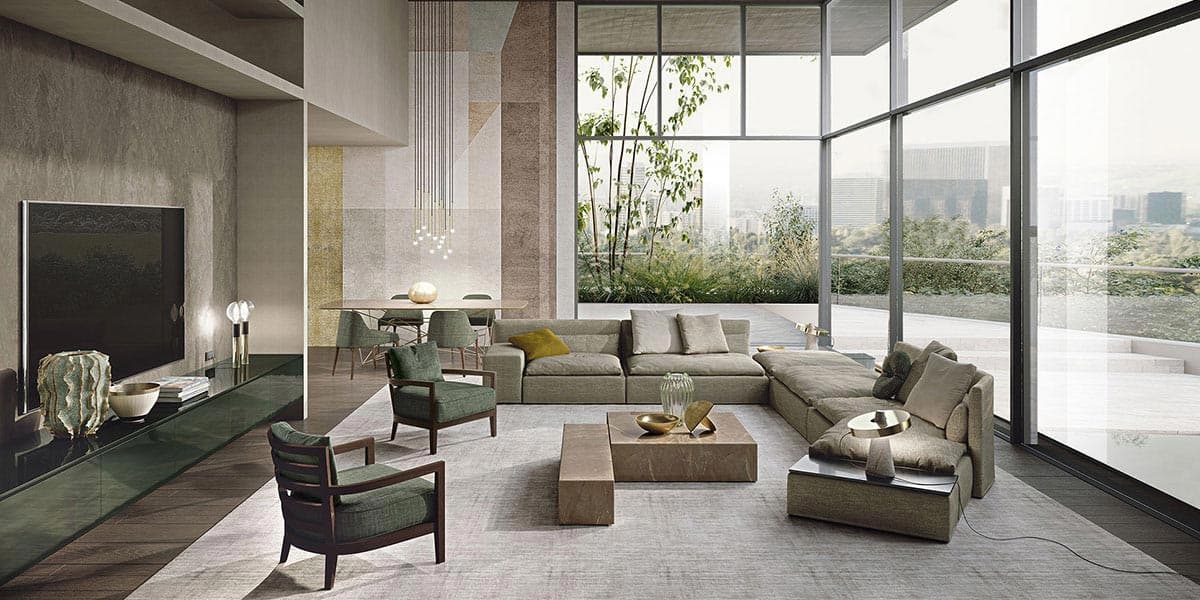
As luxury interior designers, we have witnessed a genuine and lasting shift toward environmentally responsible interiors. It is not a trend in the seasonal sense. It is a fundamental reorientation in how clients think about their homes, the materials within them, and the long-term impact of their choices.
More clients are now arriving at initial consultations with sustainability already on their agenda. Our role is to guide them with authority, offering informed recommendations on eco-conscious materials, energy efficiency, and approaches that reduce environmental impact without compromising on quality or aesthetic ambition. To help navigate that conversation, we have put together a considered guide to the five core principles of sustainable interior design.
Table of Contents
The framework we work from encompasses five interconnected principles: energy efficiency, low environmental impact, waste reduction, longevity and flexibility, and healthy environments. Each deserves proper attention.
Buildings account for a significant share of global greenhouse gas emissions, which makes energy efficiency the most logical place to begin any sustainable design conversation. While the structural fundamentals of an existing building are largely fixed, the choices made within it can have a meaningful effect on energy consumption.
Window treatments are one of the most impactful and underestimated interventions available. Well-specified curtains and drapes reduce heat loss in winter and block solar gain in summer, contributing to a more thermally stable interior without any mechanical assistance. On timber floors, the addition of a quality area rug functions as a natural thermal insulator, quietly improving comfort and reducing the energy required to heat a space.
Colour choices matter here too. Lighter wall tones reflect available daylight more effectively, reducing dependence on artificial lighting throughout the day. Venetian blinds offer a straightforward means of controlling both the amount and direction of light entering a room as conditions change.
For clients who are open to it, the conversation around green technology is increasingly worth having. Motion-sensitive lighting and solar integration are both more sophisticated and more aesthetically discreet than they were even a few years ago.
Key Takeaways:
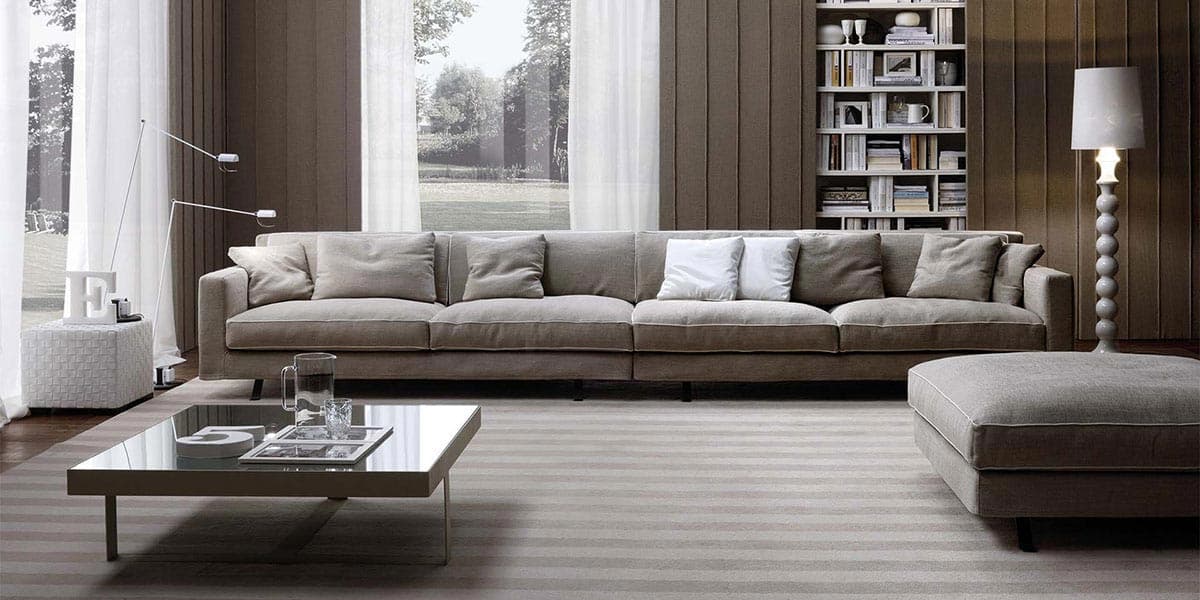
When clients think about sustainability, they tend to think first about energy sources and water consumption. What they rarely consider without prompting is the environmental cost of the materials within their home. This is precisely where a designer's expertise becomes indispensable.
Guiding clients toward genuinely eco-conscious materials for furnishings, flooring, and rugs is one of the most concrete contributions we can make. These are the materials we return to consistently:
Reclaimed Wood: Rather than sourcing timber from newly felled trees, reclaimed wood repurposes existing material and gives it a considered second life. It works particularly well for flooring in coastal or country properties, and for rustic dining and coffee tables where character in the grain is a positive rather than a flaw.
Cork: Cork extraction does not harm the tree, as only the bark is harvested and it regenerates naturally. As a flooring material, it confounds expectations: what sounds spongy in theory performs with the solidity and warmth of hardwood underfoot. It is also fully reusable.
Recycled Plastic: High-density polyethylene (HDPE) is a recycled plastic that is both heavy and exceptionally durable. Its fade resistance makes it particularly well suited to indoor and outdoor rugs, where longevity is as important as appearance.
Bamboo: Bamboo occupies a unique position: it feels and behaves like timber, but it is botanically closer to grass and grows with extraordinary speed. It reaches usable maturity within four years, compared with the sixty to seventy years required for most hardwoods. It is one of the most versatile sustainable materials available, suited to furniture, flooring, screens, blinds, and countertops. One important caveat: source bamboo products only from suppliers with verified environmental credentials. Shortcuts in harvesting and shipping are unfortunately common in this category.
A note worth sharing with clients who want a fireplace for atmosphere: bioethanol is a considerably cleaner alternative to gas. It is water-soluble, non-toxic, and biodegrades quickly, making it a far more defensible choice for anyone serious about reducing their environmental footprint.
Key Takeaways:
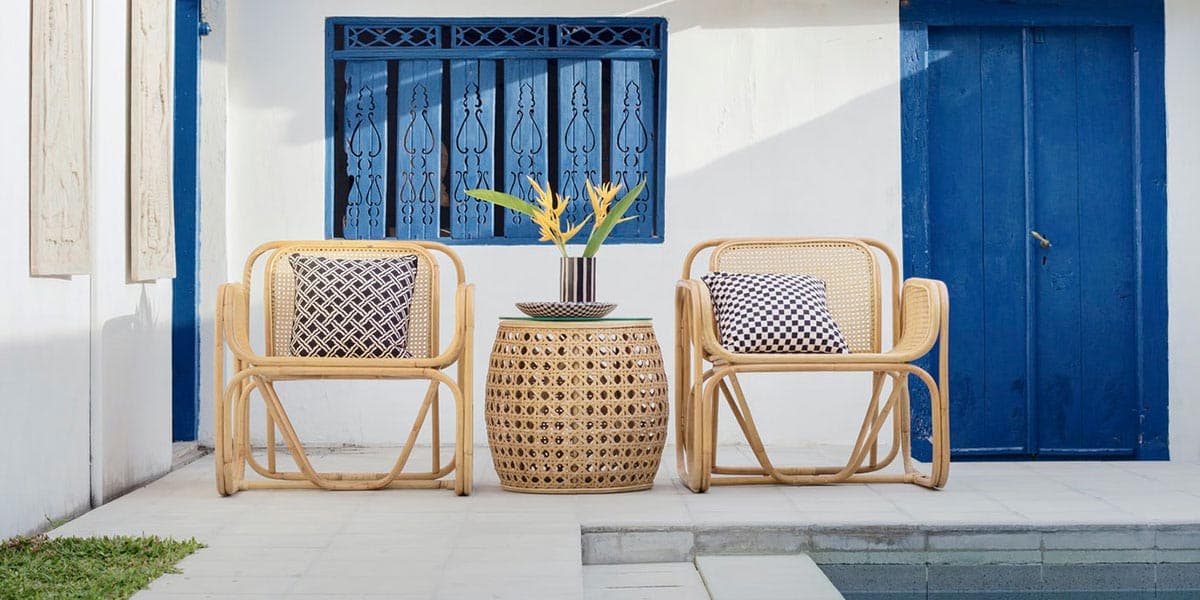
This principle tends to resonate most strongly with clients who have a natural affinity for objects with history. It is fundamentally about recycling, upcycling, and giving existing pieces a meaningful second role rather than sending functional items to landfill.
In practice, this might mean integrating antique or vintage pieces alongside contemporary furnishings, commissioning a chalk paint treatment to refresh a side table that has seen better days, or repurposing wooden packing crates into bookshelves with genuine character. These are not budget compromises. In the right hands, they are considered design decisions that add depth and individuality to a scheme.
Where new purchases are unavoidable, specifying items made from synthetic materials with recycled content is the responsible default.
Key Takeaways:
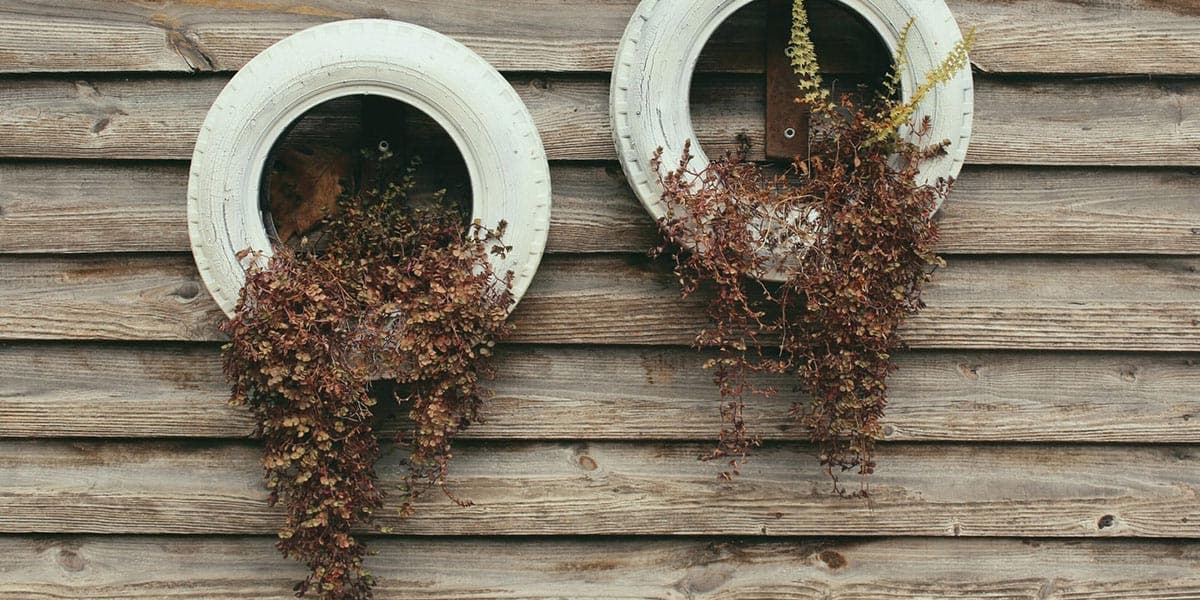
Designing for longevity means creating spaces that clients will want to inhabit for years without feeling the pull to change them. The brief is simple in principle: choose classic over trend-led, quality over quantity, and functional over purely decorative. In practice, it requires discipline and a clear editorial eye.
The concept that underpins this principle most effectively is modularity. Walls that can be reconfigured as a family's needs evolve. Furniture that can be rearranged or adjusted to serve multiple functions within a single room. Modular flooring systems that allow individual sections to be replaced as they wear, rather than requiring a complete overhaul. Each of these decisions extends the useful life of an interior and reduces the cumulative environmental cost of living in it.
Key Takeaways:
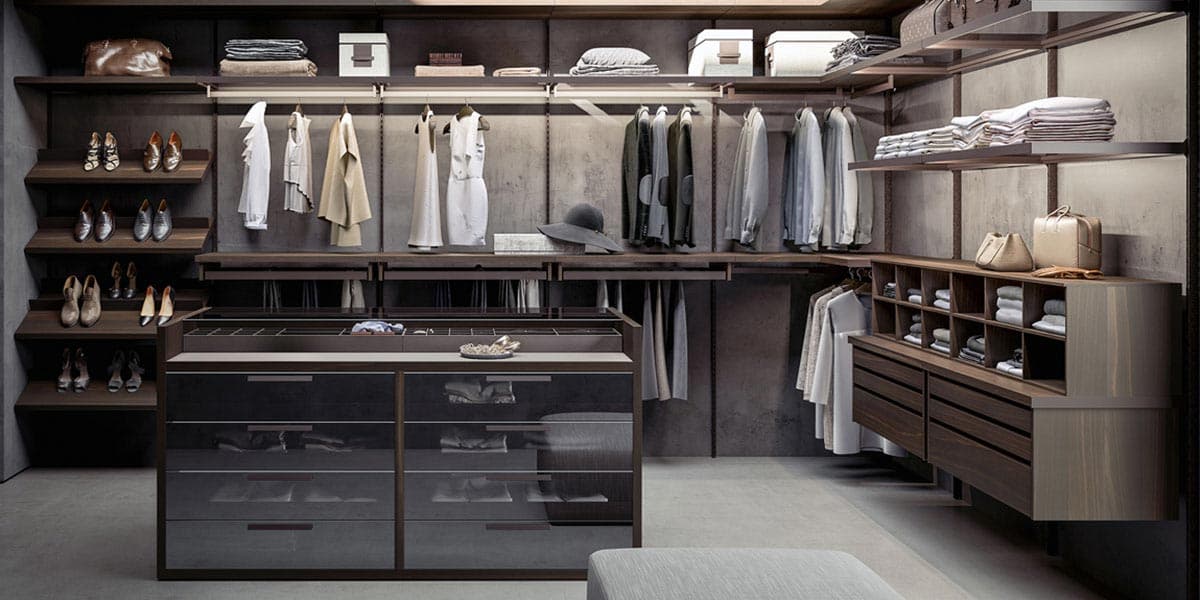
This is the principle most clients are intuitively drawn to, given the broader cultural shift toward wellbeing in recent years. At its core, it is about creating interiors that actively support the health of the people within them.
Natural light, good ventilation, and a considered integration of planting are the primary tools here. Each contributes to a living environment that feels genuinely restorative rather than merely comfortable. The biophilic design conversation, which we explore in depth elsewhere, connects directly to this principle and is increasingly central to how our clients at FCI London are thinking about their homes.
Key Takeaways:
Address & Hours:
FCI London, Rays House, North Circular Road, London, NW10 7XP
Monday - Saturday: 10am - 6pm
Sunday & Bank Holidays: 11am - 5pm
Contact Details:
Phone: +442081531235
Email: [email protected]
What to Bring:
Sustainability does not require compromise. The most thoughtfully designed interiors we work on at FCI London are also among the most beautiful, because the principles that guide sustainable design, quality, longevity, considered material choices, and genuine functionality, are the same principles that underpin good design in any context.
If you would like to explore how these ideas might be applied to your own project, our design consultants are well placed to help you navigate the options. Visit our showroom, or get in touch to arrange a conversation at your convenience.
Spencer Marquez
"This is a professional company with exceptional service. We ordered bedroom wardrobes, and the entire process far exceeded our expectations. From ordering to delivery, installation, and after-sales support, everything was handled flawlessly. Irina guided us throughout with professionalism, expertise, and patience. The quality of both the product and service was superb. I couldn’t recommend FCI more highly. Truly a seamless and outstanding experience from start to finish."
John Abbott
"We purchased a dining table and six chairs from FCI, and it was a perfect buy. Kasia’s knowledge, guidance, and advice made the process easy and enjoyable. The delivery team was professional, efficient, and very helpful. We’re so satisfied that we’ve already asked Kasia to source bedroom furniture for us at competitive prices. FCI consistently delivers excellent service and quality, and we look forward to our next purchase."
Chin Chin Lee
"Working with Reyhaneh was a wonderful experience. She helped us design two spectacular living rooms and a bedroom with originality, creativity, and the ability to integrate our ideas. The result is truly unique spaces we love. FCI’s competitive pricing was a bonus. Paul also contributed greatly, making them an excellent team. Their professionalism and design expertise ensured a smooth process, and we couldn’t be happier with the outcome."
We help designers & clients transform mundane spaces into extraordinary ones.


Book a video consultation and we'll advise you on furniture, space planning, colour schemes and much more.
Book A ConsultationBook a visit to our stunning, multi award-winning, 30,000 sqft.
Over 700 brands under 1 roof.

Most Popular on FCI London: Fitted Wardrobes | Luxury Designer Rugs | Luxury Sofas | Luxury Furniture Store | Luxury Interior Designers | Luxury Bedroom Furniture | Luxury Modern Chairs | Luxury Coffee Tables | Luxury Designer Kitchens | Luxury TV Units | Luxury Dining Tables | Luxury Storage Solutions | Luxury Sideboards | Luxury Stools & Bar Stools
Transparency isn’t a policy. It’s a principle.
Have a peek at what our clients really have to say.