
Published Date: Feb 22, 2026 | Last Updated: Jun 30, 2026
Written by: Emma Cyrus, Senior Copy, Content & Editorial Writer
Reviewed by: Aziz, Interior Architect at FCI London
Edited by: Zoona Sikander, Head of Content
Estimated Reading Time: 10 minutes
TL;DR: The dominant mood for 2026 is one of deliberate restraint: warmth over spectacle, material substance over surface novelty, and outdoor spaces finally treated with the same seriousness as principal rooms. What follows is our reading of the five directions most relevant to considered residential interiors this year.
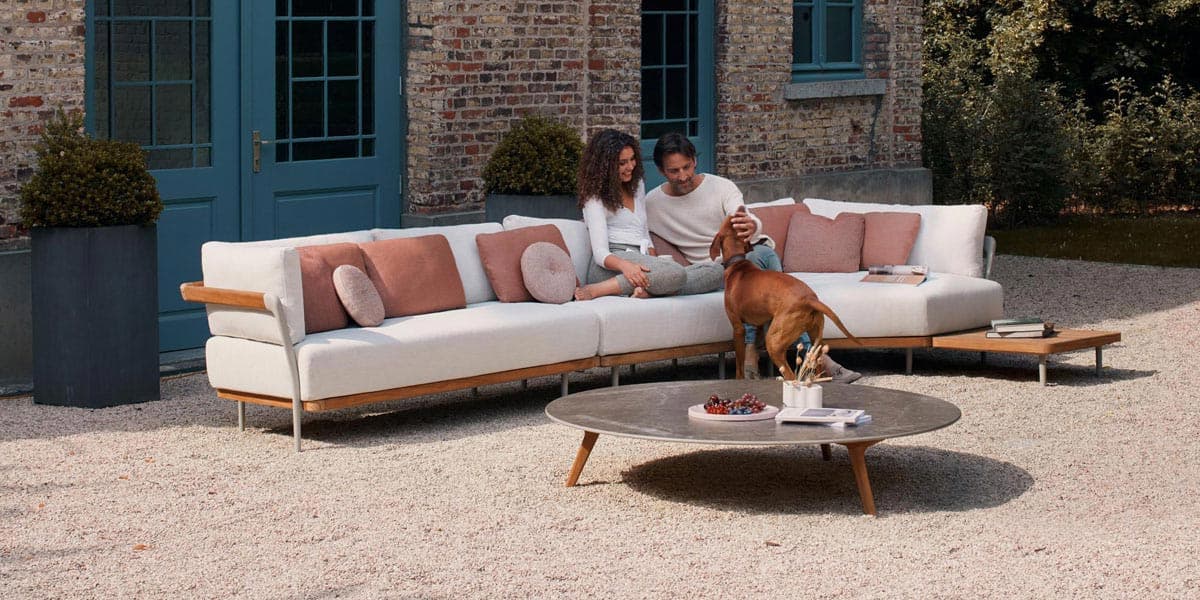
The relationship we have with our homes has fundamentally shifted. What was once primarily a place of retreat has become, for many of us, the setting for the full arc of daily life. In response, interiors have grown more considered, more personal, and more purposeful. As human beings, this has created a renewed need to be ensconced in spaces that bring genuine comfort - a sentiment reflected deeply in the directions shaping residential design this year.
At FCI London, design has been at the heart of everything we do for over three decades. What follows is our considered reading of the five directions most relevant to luxury living in 2026, with a particular focus on outdoor and garden spaces as summer approaches. For more detailed guidance on bringing any of these directions to life, our interior designers are available for private consultation at our London showroom.
Interior design is the art of creating beautiful, functional, and considered spaces using light, colour, materials, furnishings, and every aspect of décor. At its best, it is not simply decoration - it is the translation of a way of living into a physical environment that supports and expresses it.
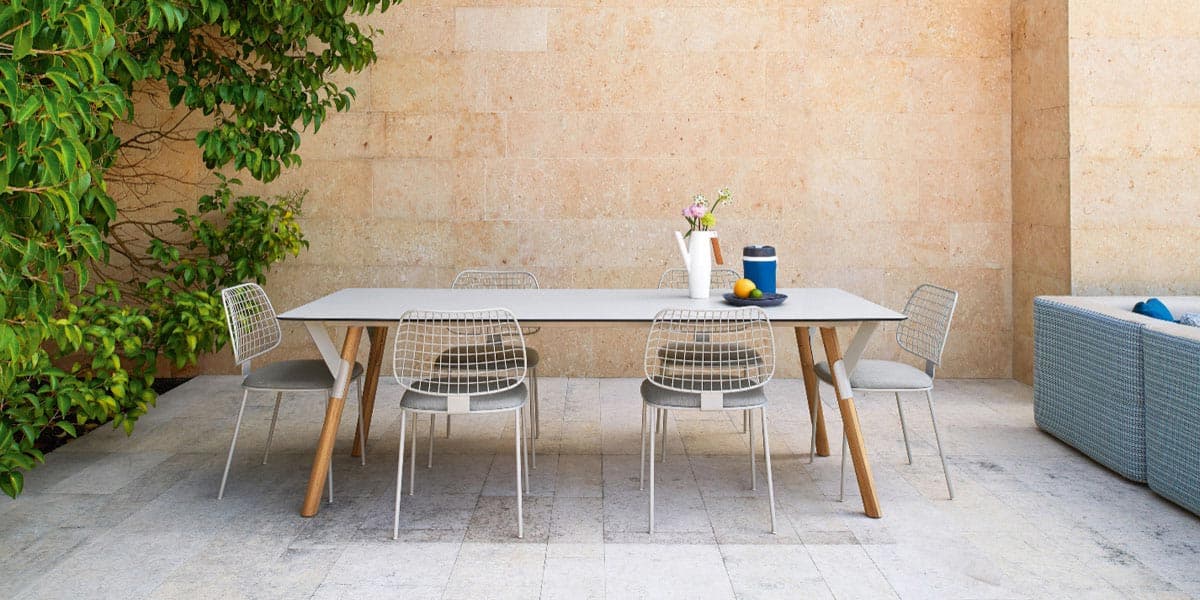
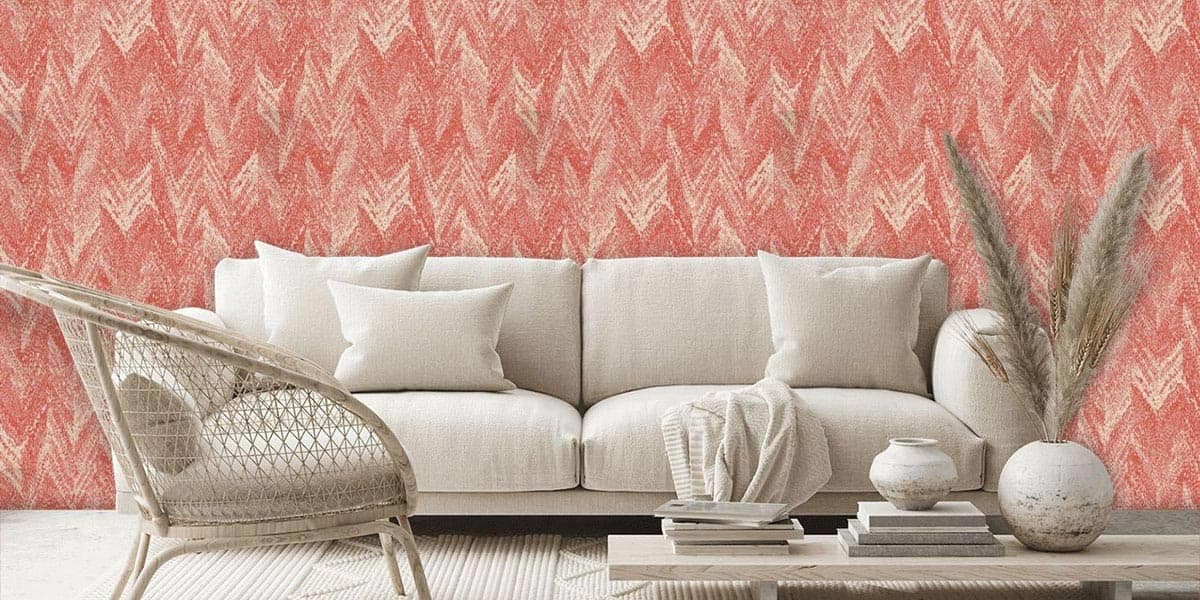
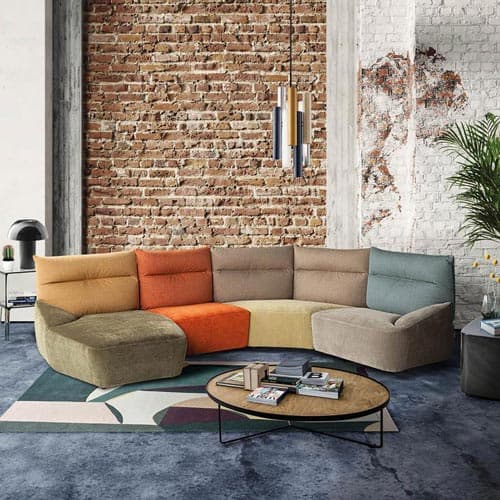
With a renewed yearning for the natural world, the colours in vogue this year embrace warm, earthy tones: rusts, reds, and textured browns that feel rooted rather than fashionable. Other trending shades include sage green and pale blue - both of which mirror the quietness of outdoor spaces and translate beautifully into principal rooms where a sense of calm is the priority.
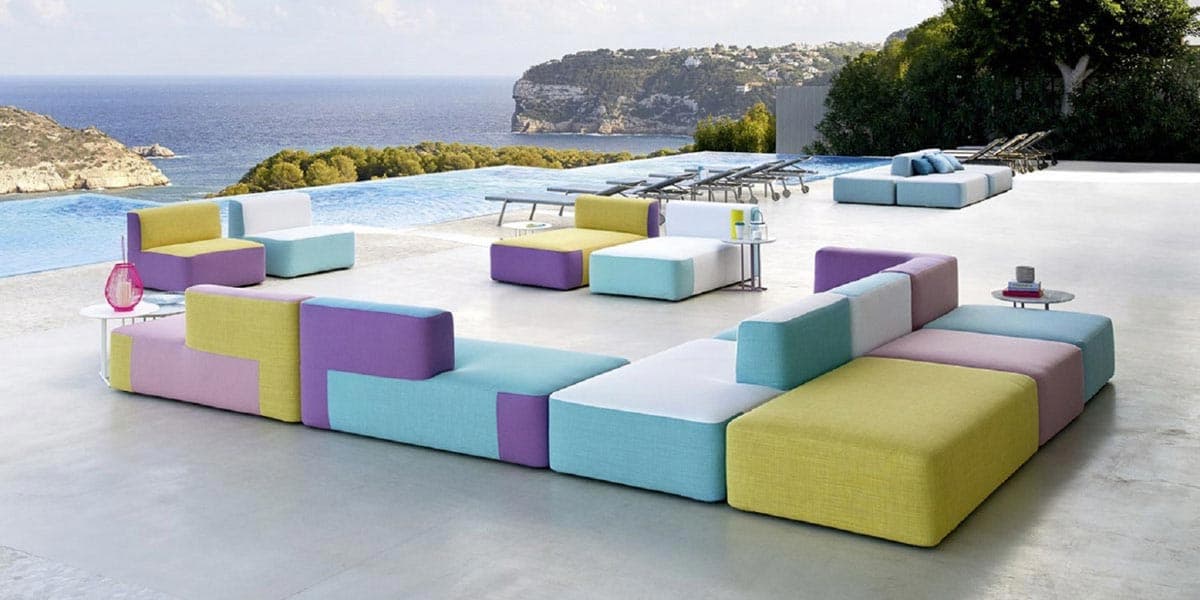
Monochrome walls anchored by a single pop of a bright primary hue remain an effective approach, particularly when that accent is delivered through a bold, oversized statement piece rather than distributed across multiple smaller gestures. The effect evokes optimism without sacrificing the composure that a well-considered luxury interior demands.
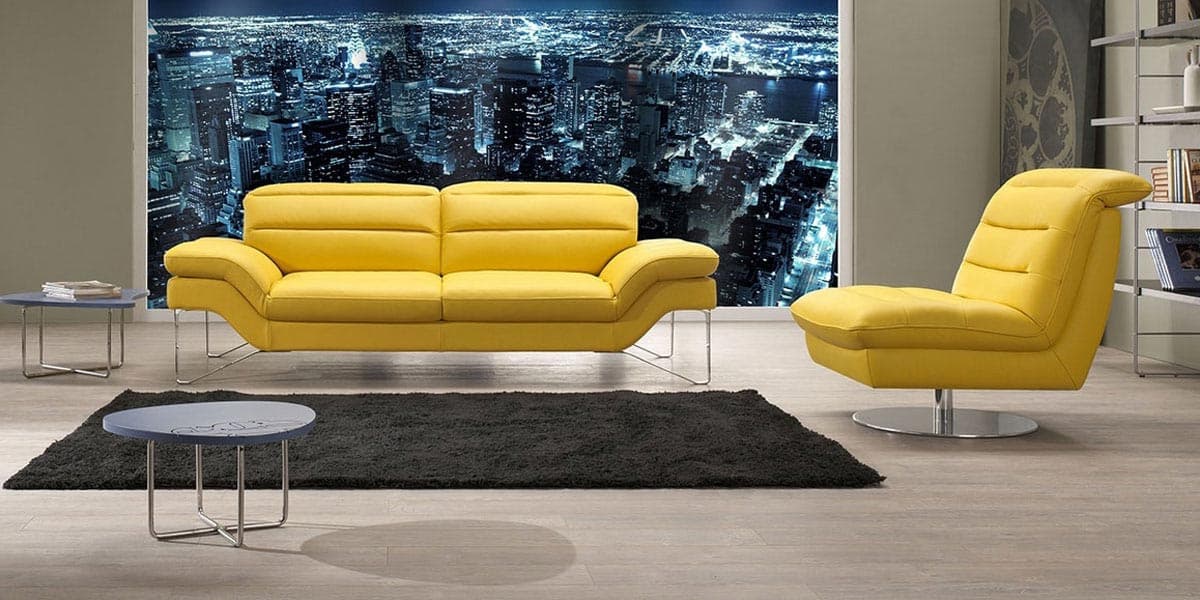
Beyond colour itself, textured walls are firmly in. Tactile tiles, three-dimensional wooden panelling, hanging rugs, and tapestries all contribute a material depth that paint alone cannot provide - and in my experience, they are the element clients most consistently wish they had been bolder about from the start.
Key Takeaways:
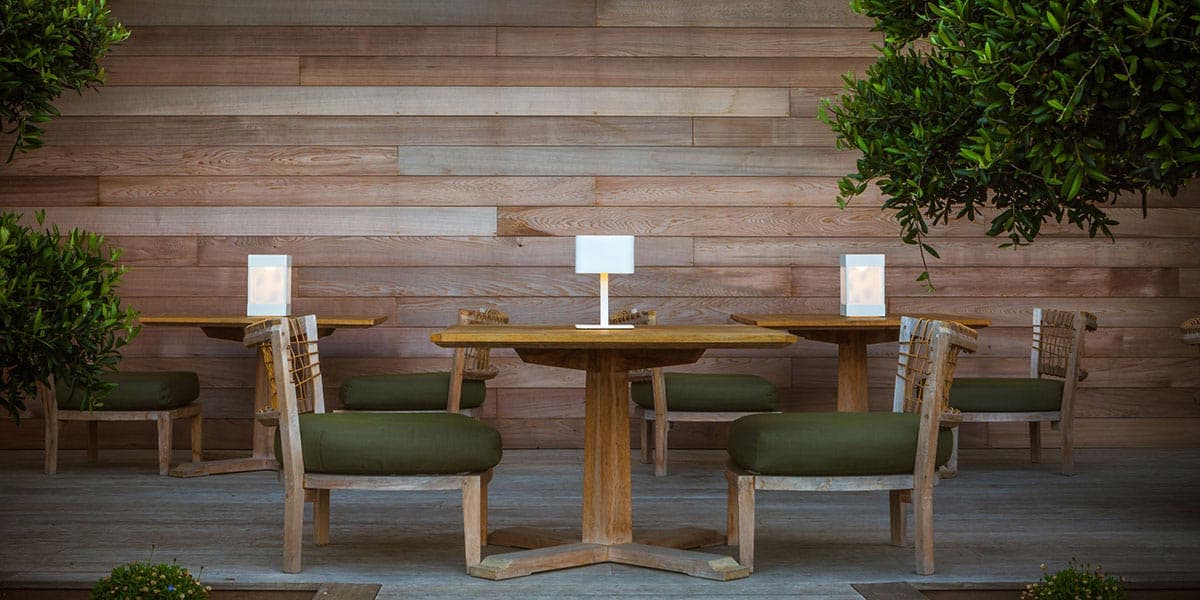
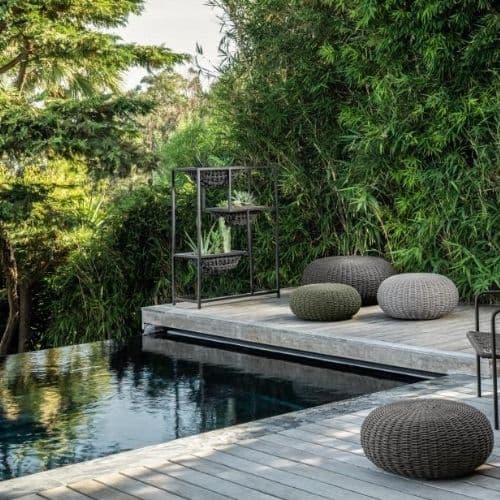
Cottagecore is one of the most discussed aesthetic directions of recent seasons, and with good reason. Deliciously eclectic, it incorporates elements of classic English country style with an earthy, antique-informed edge and a warmth that more minimal approaches consistently fail to deliver. For outdoor and garden areas, think natural wood and woven yarn - the kind of honest, tactile materiality that connects interior sensibility directly to landscape.
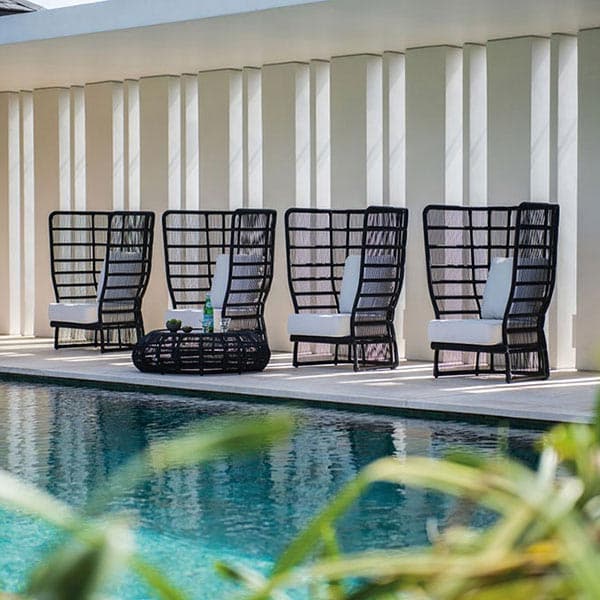
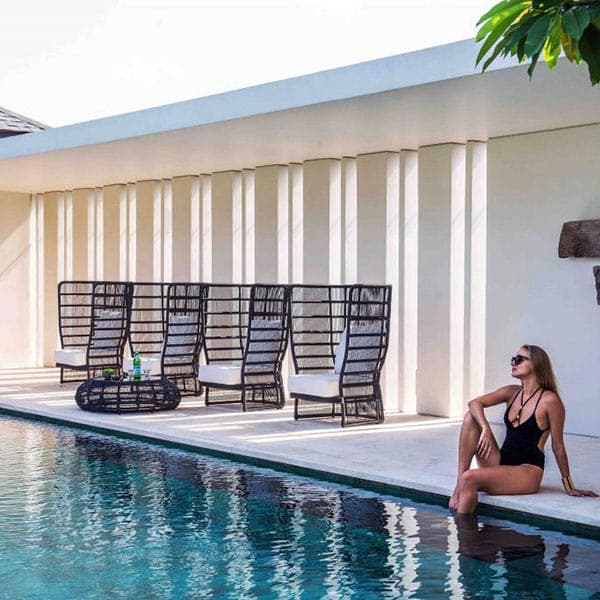
Contemporary Cottagecore interiors are relaxed yet considered, antique-inspired and able to accommodate a well-judged mix of design references. The English country vibe with a modern twist is perhaps the most useful framing: whimsical floral textiles, ornate occasional pieces, upholstery that speaks of traditional comfort, and saturated colours that give the space genuine warmth and personality.
The discipline here is editorial. Whether you are sourcing at auction, visiting the FCI London showroom, or drawing on inherited pieces, every element must earn its place. Slipcovered furniture, bespoke end tables with genuine character, classic textiles - these are the building blocks. The result, when composed with care, is an interior that feels deeply personal rather than assembled.
Key Takeaways:
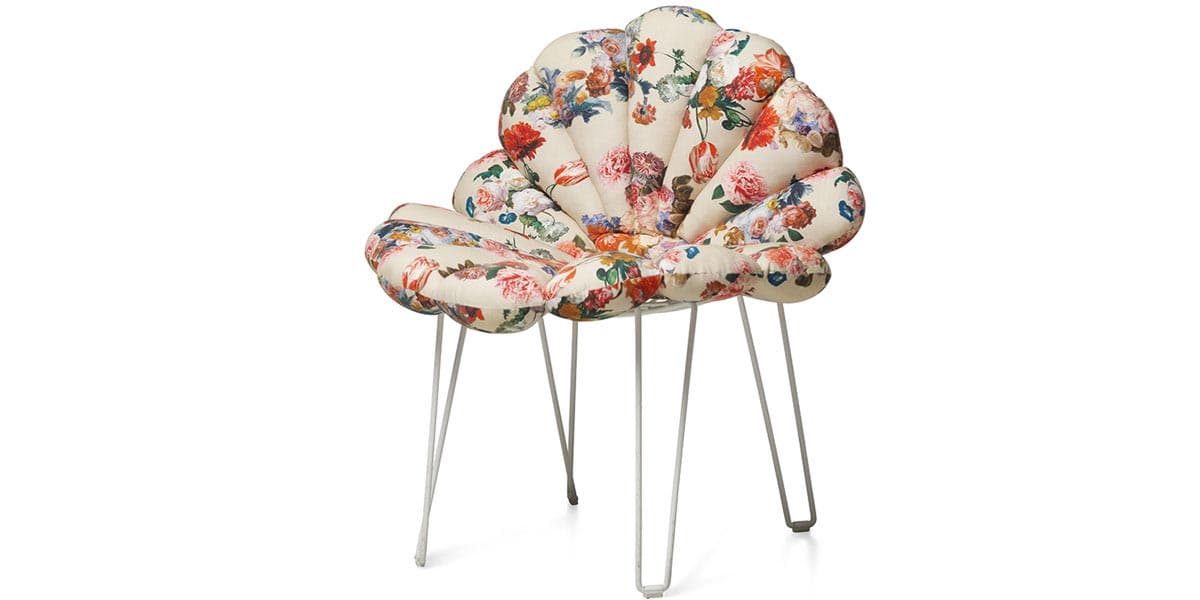
Focusing on a lived-in, vintage sensibility, Shabby Chic brings a faded elegance to interiors that more polished approaches rarely achieve. The palette is deliberately restrained: light neutral tones of off-white, warm beige, and grey provide the foundation, with mint greens, pale pinks, or soft yellows introduced through ornamental pieces and soft furnishings where a note of warmth is needed.
For furniture, pieces with authentic patina are the correct choice - distressed wood tables and side items that look genuinely weathered rather than artificially aged. The character of these pieces is precisely their value; a surface that bears its history honestly reads entirely differently to one that has been treated to look that way.
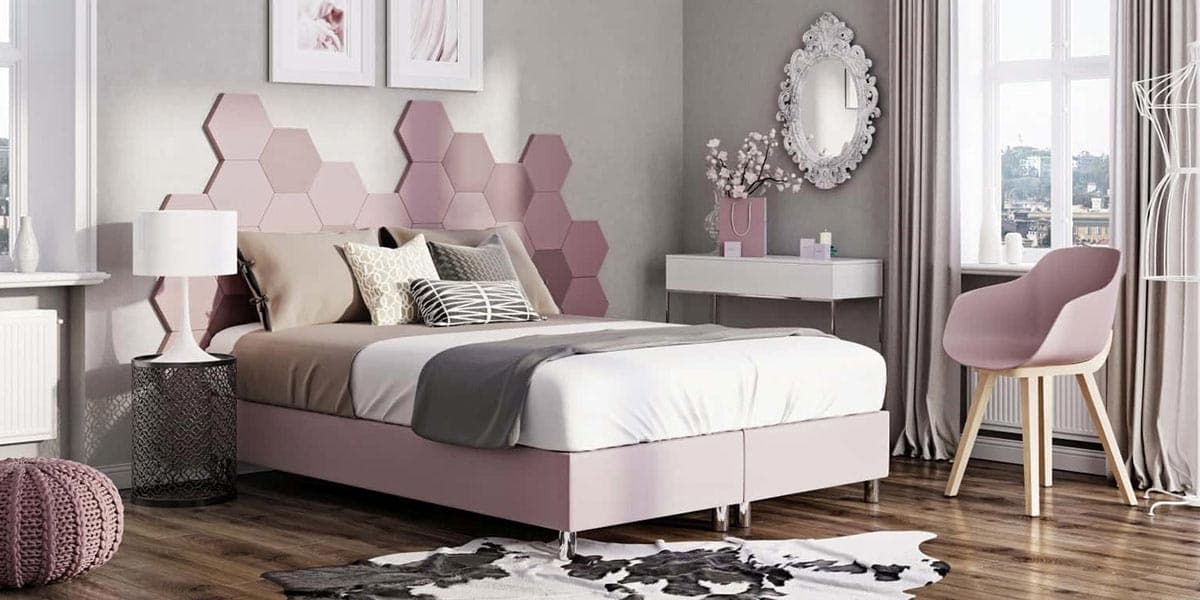
A gallery wall of artwork or carefully chosen photographs, set in charming paint-chipped frames that carry a genuine sense of history, creates a focal point of quiet narrative interest. Alternatively, a statement chandelier provides a note of genuine grandeur within an otherwise composed quietness. White linen draped casually over furniture, elements of lace, aged leather, and vintage velvet all contribute to the layered comfort this direction demands.
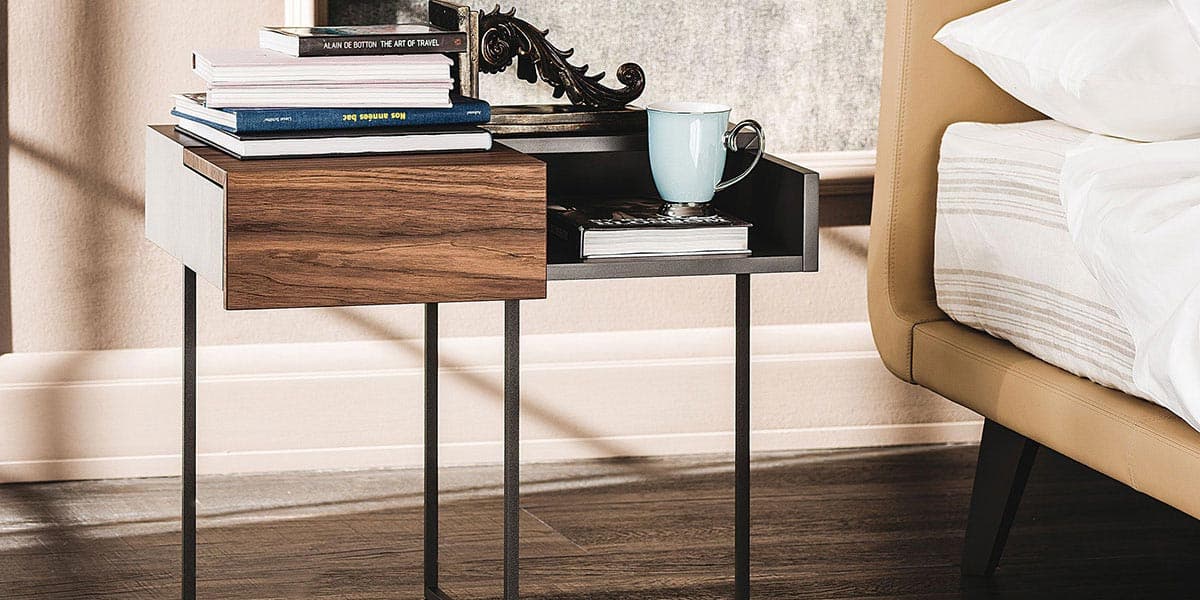
A Shabby Chic home, properly realised, should elicit feelings of romance and an uncultivated sense of luxury - the sense that elegance has been arrived at naturally rather than imposed.
Key Takeaways:
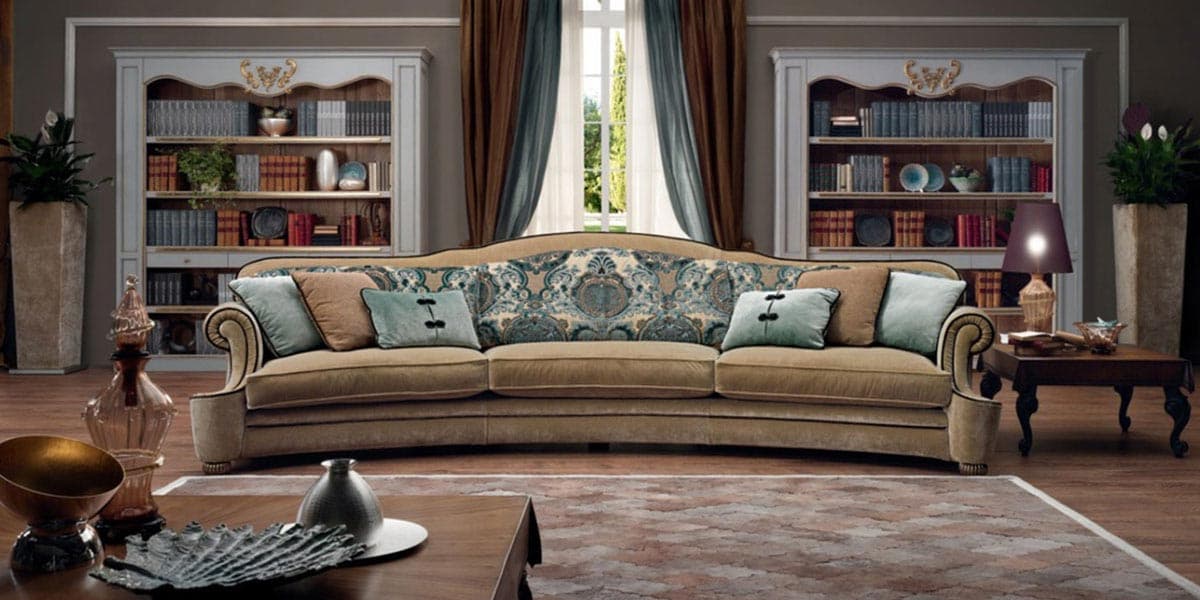
A considered blend of antique, retro, and contemporary, Vintage Décor is concerned with reclaiming, repurposing, and building a unifying theme that feels both personal and composed. Pairing simplicity with grace, this approach demands a genuine sense of personal harmony and an eye for the kind of nostalgia that transcends the merely sentimental.
There is a strong emphasis on sourcing and preserving original antique furnishings - which, as a secondary benefit, makes this one of the more environmentally considered design directions. Nothing of genuine quality should be discarded; the inherited piece, given the right context, frequently becomes the most distinctive element in a room.
Layering and placement are the primary design activities here, not finishing touches. Every piece must have a purpose within the broader composition. Ornate mirrors, statement lighting, rich fabrics, elaborate wallpapers, and strong colours all have a role - but the composition must carry a consistent thread of colour, material reference, or aesthetic logic that gives the eye a coherent journey through the space. Contrast within a common theme is the operative principle.
For clients working on projects of this nature, our luxury interior designers bring an editorial perspective that helps identify what to keep, what to commission, and how to arrange it to best advantage.
Key Takeaways:
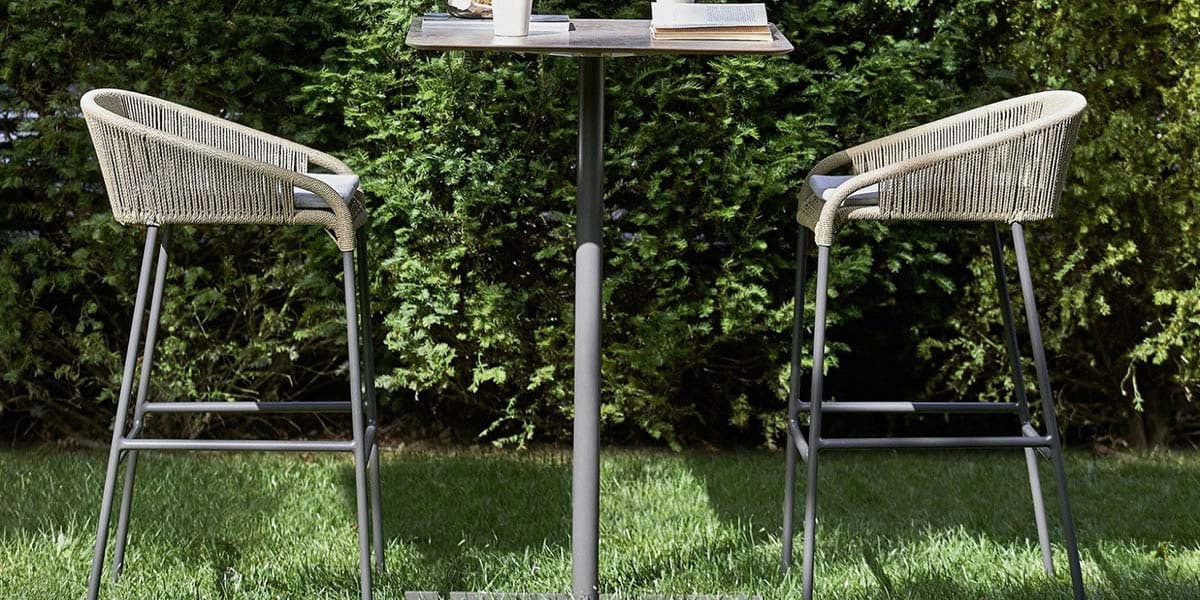
The Rustic interior design direction is casually elegant, rooted in the beauty and honest simplicity of the natural world. With a strong emphasis on earthy textures, natural materials - stone, wood, and metal -dominate, creating an organic aesthetic that brings warmth and comfort to every living area. For outdoor spaces, wrought-iron or metal-legged seating and dining pieces are the appropriate choice: substantial, characterful, and built to age gracefully.
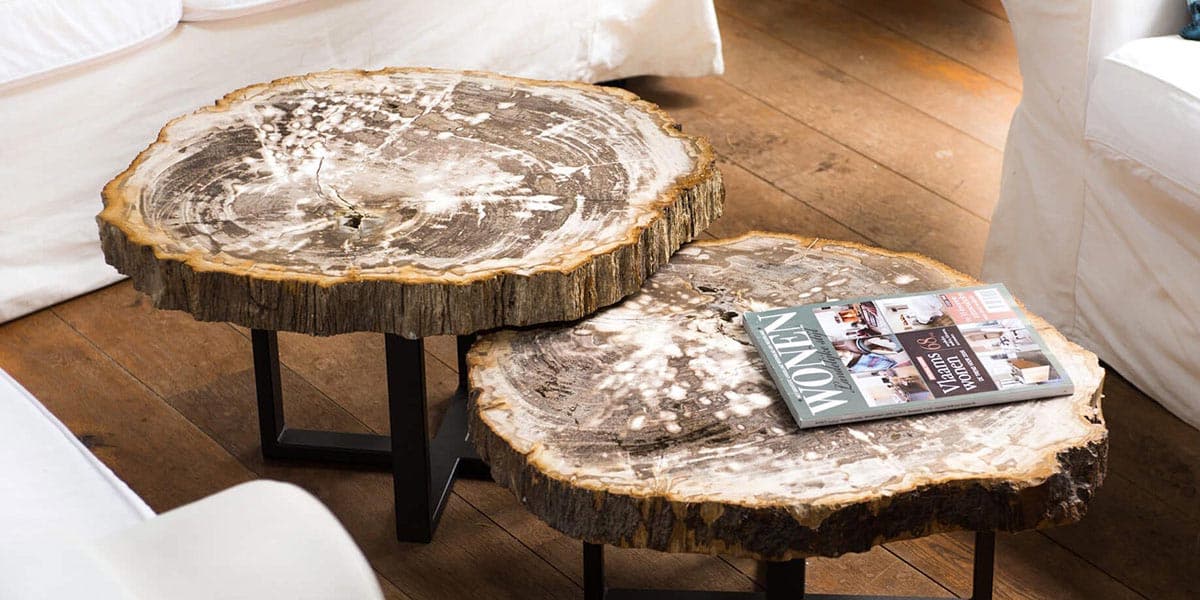
Timber floors and ceiling beams, where the architecture allows, provide the structural foundation of this direction. Wrought-iron details, stone fireplaces, and raw wall finishes are all characteristic elements, complemented by considered objects in shades of white and natural stone. The Bell Rive L 2 Outdoor Table by Eichholtz is a particularly strong example of how natural material can be elevated into something genuinely extraordinary through skilled craftsmanship.
When composing a Rustic scheme - indoors or out - the comfort of the space is non-negotiable. Deep, generous seating that invites the kind of extended occupation that a well-designed outdoor area should encourage; an abundance of cushions, woven blankets, and layered rugs. This direction is not about ruggedness for its own sake. It is about creating spaces that lift the spirit and foster a genuine sense of warmth, ease, and inclusion.
Key Takeaways:
At FCI London, we offer both in-showroom and remote design consultation services, so that wherever you are in your project, we can meet you there. Our experienced design team will listen to your vision and translate it into something specific and lasting - from a virtual walkthrough of our showroom to a detailed review of your space and its possibilities.
If any of the directions above resonates, the most productive next step is a conversation. Get in touch with us today and begin your design journey.
Visit Our Showroom
Address & Hours:
FCI London, Rays House, North Circular Road, London, NW10 7XP
Monday - Saturday: 10am - 6pm
Sunday & Bank Holidays: 11am - 5pm
Contact Details:
Phone: +442081531235
Email: [email protected]
What to Bring:
Customer Reviews
Valentina Simone
"Our experience with FCI London has been flawless. The table and chairs we purchased are of excellent quality, and there was a great variety to choose from. Monica and Perla helped both with the original purchase and the delivery."
Carol O'Regan
"Ricardo at FCI provided great customer service with his expertise and advice. The quality of the chairs and bar stools is excellent and fits in with our kitchen/diner well."
Nedelia Martin
"I discovered FCI London almost 5 years ago, and I keep going back to them when I need to buy furniture. The team is fantastic, both the sales staff and the in-house designer were knowledgeable, helpful, and really took the time to understand my style."
We help designers & clients transform mundane spaces into extraordinary ones.


Book a video consultation and we'll advise you on furniture, space planning, colour schemes and much more.
Book A ConsultationBook a visit to our stunning, multi award-winning, 30,000 sqft.
Over 700 brands under 1 roof.
Most Popular on FCI London: Fitted Wardrobes | Luxury Designer Rugs | Luxury Sofas | Luxury Furniture Store | Luxury Interior Designers | Luxury Bedroom Furniture | Luxury Modern Chairs | Luxury Coffee Tables | Luxury Designer Kitchens | Luxury TV Units | Luxury Dining Tables | Luxury Storage Solutions | Luxury Sideboards | Luxury Stools & Bar Stools | Luxury Bespoke Joinery | Luxury Modern Hallway Furniture | Furniture Showroom Appointment | Luxury Lighting | Modern Luxury Outdoor Furniture
Transparency isn’t a policy. It’s a principle.
Have a peek at what our clients really have to say.