Published Date: Jun 27, 2026
Written by: Emma Cyrus, Senior Copy, Content & Editorial Writer
Reviewed by: Cristina Chirila, Senior Interior Designer at FCI London
Edited by: Zoona Sikander, Head of Content
Estimated Reading Time: 10 minutes
TL;DR: Quiet luxury interior design is not a trend you ride - it is a sensibility you commit to. It prizes restraint over spectacle, tactile material quality over surface gloss, and a considered colour palette over trend-driven decoration. In this guide, the design team at FCI London breaks down what quiet luxury actually means in practice: how to build a genuinely calm, beautifully resolved interior without sacrificing warmth, personality, or the sense that a real human being lives there. Rather useful reading if you are about to embark on a whole-home project or simply want to elevate a single room.
Table of Contents
If you're a design-conscious individual who is tired of interiors that shout, this expert guide is for you. We've drawn on decades of experience working with some of Europe's most respected luxury furniture brands and several high end interior design projects to distil what the quiet luxury aesthetic actually demands - and how to achieve it with lasting conviction.
The phrase quiet luxury has been circulating in fashion circles for a few years now, and interiors have - somewhat inevitably - borrowed it. But before it becomes a mood board cliche, it is worth being precise about what it actually means in the context of a room.
Quiet luxury interior design is not minimalism.
Minimalism, in its purest form, is a philosophical position about the removal of the self from a space. Quiet luxury is almost the opposite: it is deeply personal, deeply human, and deeply comfortable. What it removes is not the human presence but the noise - the logo, the obvious price signal, the decorative flourish that exists purely to impress.
At its heart, the quiet luxury aesthetic is about confidence. A room that does not need to announce its quality because the quality is self-evident to anyone who enters. The linen is weighted. The timber has grain. The sofa gives a little when you sit in it and recovers slowly. Nothing in the room is trying particularly hard.
In my experience working with clients at FCI London, the most common mistake is confusing quiet luxury with beige colour.
It is not a colour palette.
It is a set of values that can be applied to every decision in a room - from the profile of a skirting board to the way a curtain breaks on the floor. Get those values right and the colour almost takes care of itself.
The quiet luxury trend in interiors draws from several longstanding traditions: the mid-century Scandinavian belief that beautiful objects should be functional, the Japanese concept of ma (the meaningful pause between things), and the old-money English country house sensibility that the best things in a room were inherited rather than purchased last Tuesday.
None of these traditions are new.
What is new is the cultural appetite for them - a collective exhale after years of maximalism, fast furniture, and Instagram-optimised interiors that look extraordinary in a photograph and exhausting to actually live in.
Key Takeaway: Quiet luxury is a set of design values, not a colour card. The defining quality is confidence - a room composed so well that it has nothing to prove. If you find yourself asking whether something is "quiet luxury enough," the answer is probably no.
Colour in a quiet luxury interior functions less like decoration and more like structure. The palette is typically narrow - three to five tones at most - and built around neutrals that have genuine depth rather than the hollow flatness of a white emulsion applied without conviction.
Warm stone, aged linen, soft chalk, putty, and the kind of greige that reads differently depending on the light at a given hour: these are the workhorses of the quiet luxury colour palette. What makes them feel expensive rather than merely beige is the relationship between them. They should move tonally, with the lightest values at ceiling height and the deepest grounding the floor plane - furniture, rugs, and accent timbers. The eye travels through the room comfortably. Nothing snatches at the attention.
Accent colour, when it appears at all, tends to be deeply saturated and used with genuine sparingness. A single muted sage cushion. A wall of aged tobacco leather in a study. A piece of aged bronze metalwork catching the afternoon light. The accent is earned by its restraint - it has impact precisely because everything around it is so composed.
One principle I return to consistently: whatever palette you choose, it must work in candlelight. If a room looks extraordinary in the evening with a handful of candles lit and a low lamp or two, you have probably got the tones right. Quiet luxury interiors are conceived for the full spectrum of natural and artificial light, and they earn their keep in every condition.
Paint quality matters here rather more than many clients expect. A chalky, flat emulsion on a well-prepared surface reads completely differently to the same hue applied in a mid-sheen. The depth of a colour is largely a function of how light scatters from its surface. This is one area where spending properly on the paint itself - and on the preparation beforehand - is absolutely worth it.
Key Takeaway: Build the palette tonally, not thematically. The goal is a room where colour functions as light architecture rather than decoration. When in doubt, add depth rather than variety - a fourth tone of the same family will do more than a fourth different colour.
If colour is the structure of a quiet luxury interior, material is its soul. This is where the aesthetic diverges most sharply from budget-conscious interpretations of the same look - and where the investment is most immediately legible.
Natural materials are non-negotiable. Stone, timber, linen, wool, leather, aged brass, unlacquered bronze - these are the vocabulary.
Not because synthetic materials are inherently inferior in every application, but because natural materials age in ways that are genuinely beautiful. A linen sofa develops a slightly relaxed, lived-in quality after a few years that a polyester blend simply cannot replicate. A solid oak dining table acquires a patina over decades that becomes part of its identity. The quiet luxury aesthetic is, in part, a long-term proposition - you are investing in things that will look better in fifteen years than they do today.
Tactility is enormously important and chronically undervalued in the brief stage of a project.
Clients often focus entirely on how a room will photograph - on its visual composition - and neglect the physical experience of being in it. A room that feels right is one where every surface you are likely to touch has been considered: the weight of a door handle, the drag of a wool throw across your forearm, the slight coolness of a stone worktop, the give of a deep seat cushion filled with feather rather than foam alone.
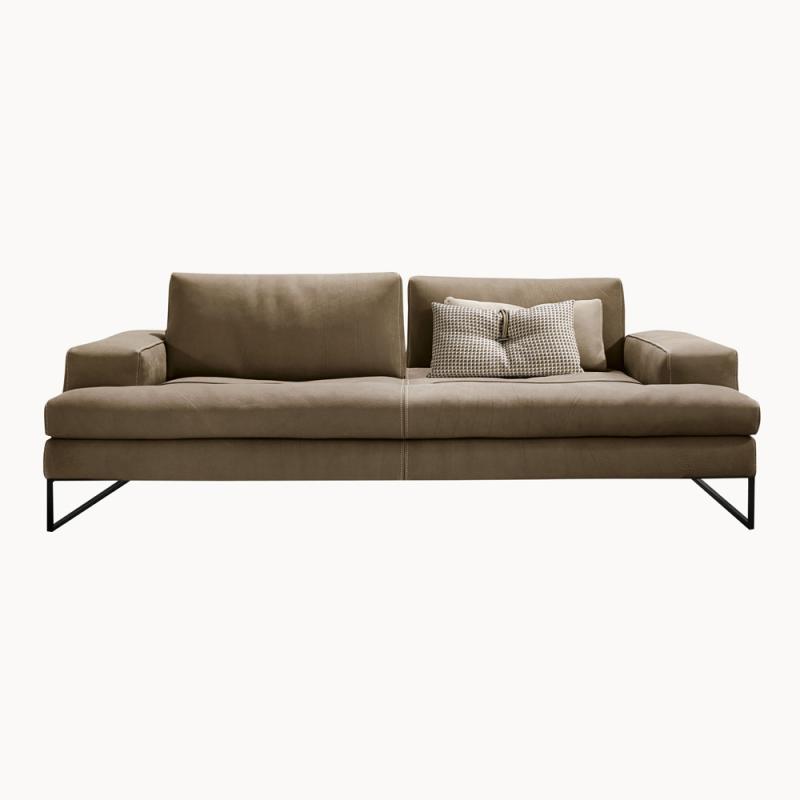
At FCI London, a significant part of our role is introducing clients to materials they have not previously considered. Italian leather in particular offers a range of finishes - from full aniline, with its beautiful natural grain and gentle imperfections, to semi-aniline and pigmented leathers for those who need greater practical durability - that bear very little resemblance to the stiff, plasticky upholstery associated with budget seating. Handled correctly, a well-specified leather sofa from a quality Italian manufacturer is one of the most convincing quiet luxury statements you can make in a sitting room.
Mixing materials takes confidence, but it is what separates an interior that feels genuinely resolved from one that simply looks resolved in a photograph.
Stone and timber together.
Linen and leather.
Aged brass and cool plaster.
The contrasts create the texture of the room - not visually alone, but experientially.
Key Takeaway: Specify for touch as much as for sight. Visit a showroom - not a website - before committing to upholstery, because the material conversation is almost entirely lost in a photograph. A fabric that reads as flat grey on screen may be a beautifully complex boucle in person.
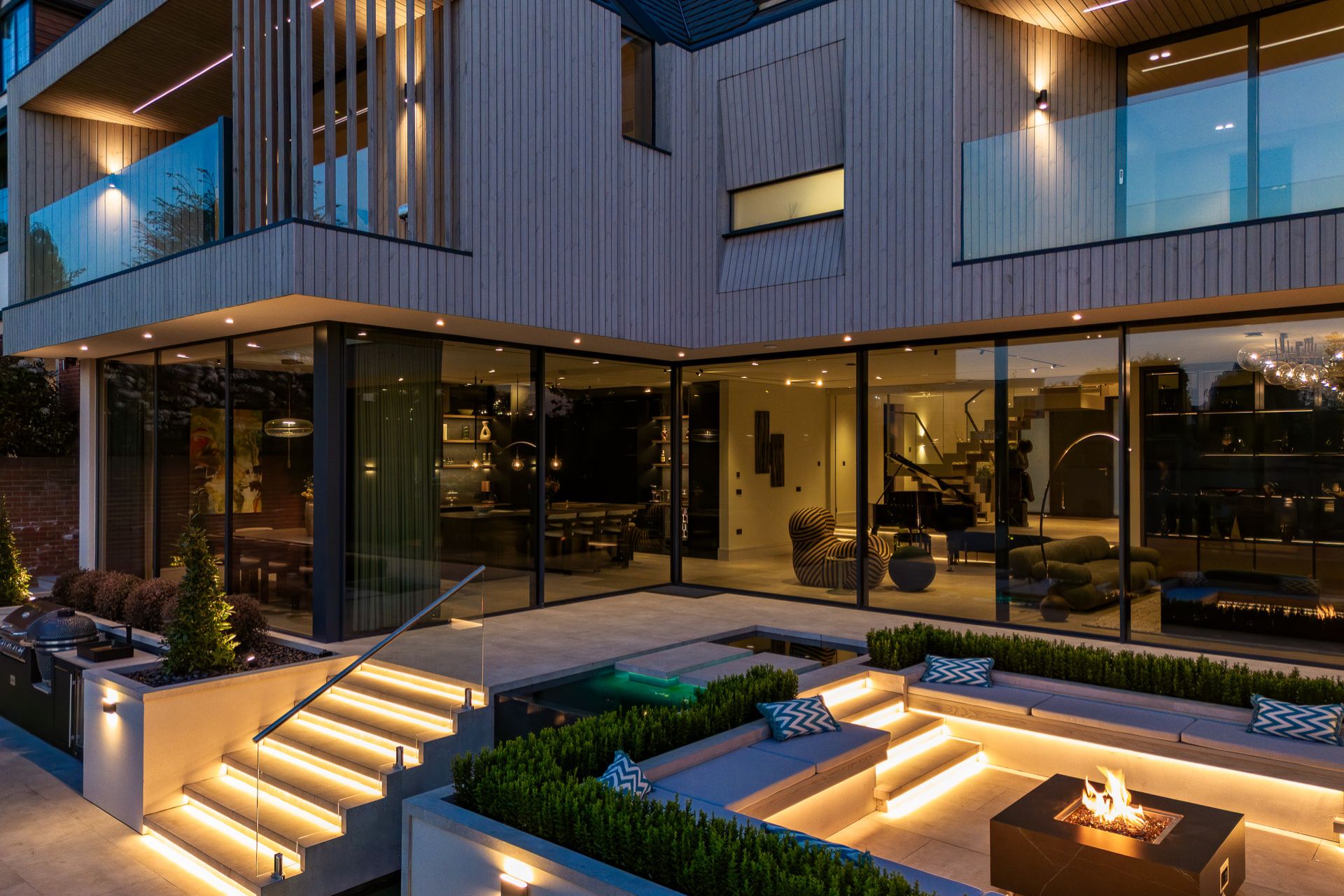
Of all the rooms in a home, the bedroom is where the quiet luxury aesthetic finds its most natural expression - and where its principles are most important to get right. A bedroom is, by its nature, a room for withdrawal. It should offer relief from the visual complexity of the rest of the world, not add to it.
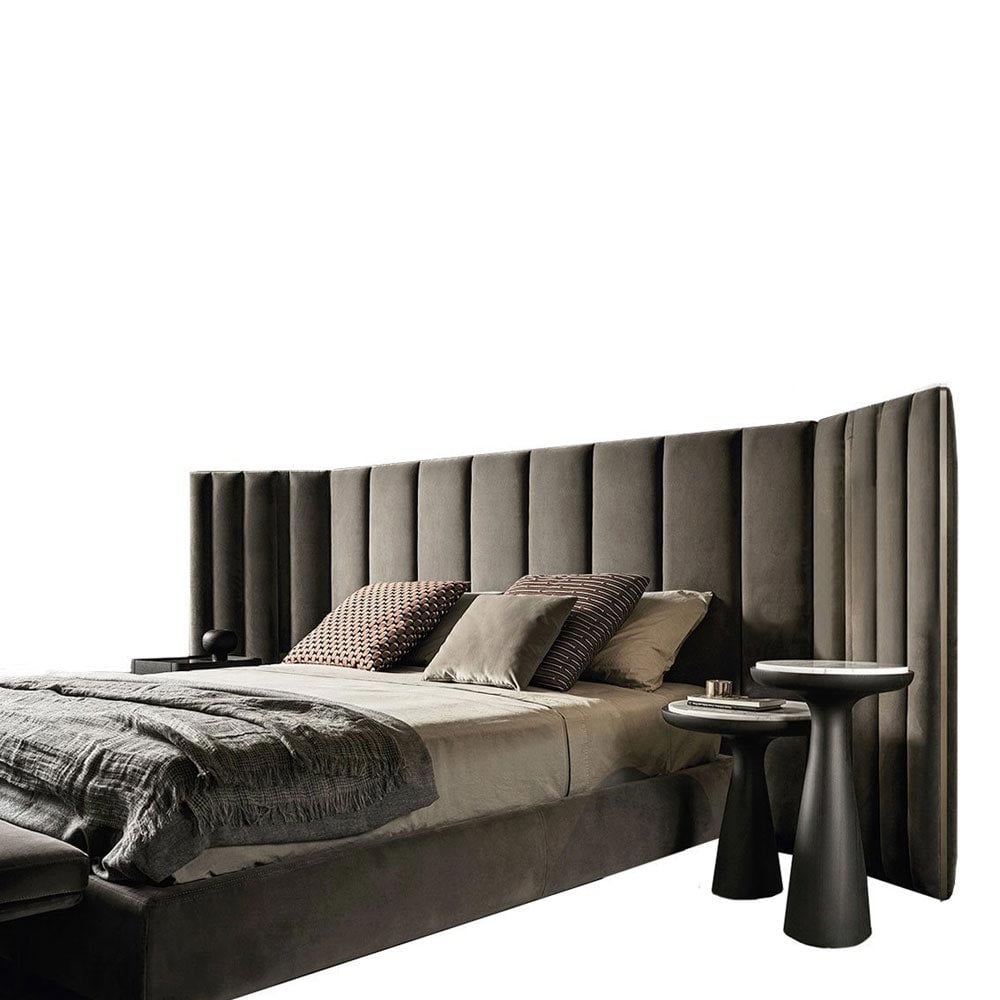
The quiet luxury bedroom experience is built around the bed, and the bed is built around its upholstered headboard. This is one of the great underestimated elements of bedroom design. A well-proportioned, beautifully upholstered headboard - in a deep linen, a soft bouclé, or a carefully chosen leather - anchors the entire room tonally and structurally. It gives the eye somewhere to rest and establishes the quality register for everything else in the space.
Bedside furniture should be considered in pairs but not necessarily matched. Two pieces from the same material family that differ slightly in form - one with a drawer, one open, for instance - create the kind of careful asymmetry that feels lived-in and personal rather than showroom-dressed.
Lighting in a quiet luxury bedroom is layered and entirely warm. A well-positioned pendant or chandelier for orientation, bedside wall lights or table lamps for reading, and possibly a low floor lamp in a dressing corner. There should be no overhead glare. The room should be adjustable by light level through the evening - bright enough to dress by, intimate enough to wind down in.
Window treatments deserve particular attention. A floor-length curtain in a substantial fabric - interlined for weight and thermal performance as well as drape - is one of the most transformative investments in a bedroom. It changes not just the light but the acoustics and the psychological sense of enclosure. In a quiet luxury bedroom, a curtain that puddles very slightly on the floor is rather more appealing than one cut to the millimetre. The small excess of material communicates generosity rather than precision-engineered thrift.
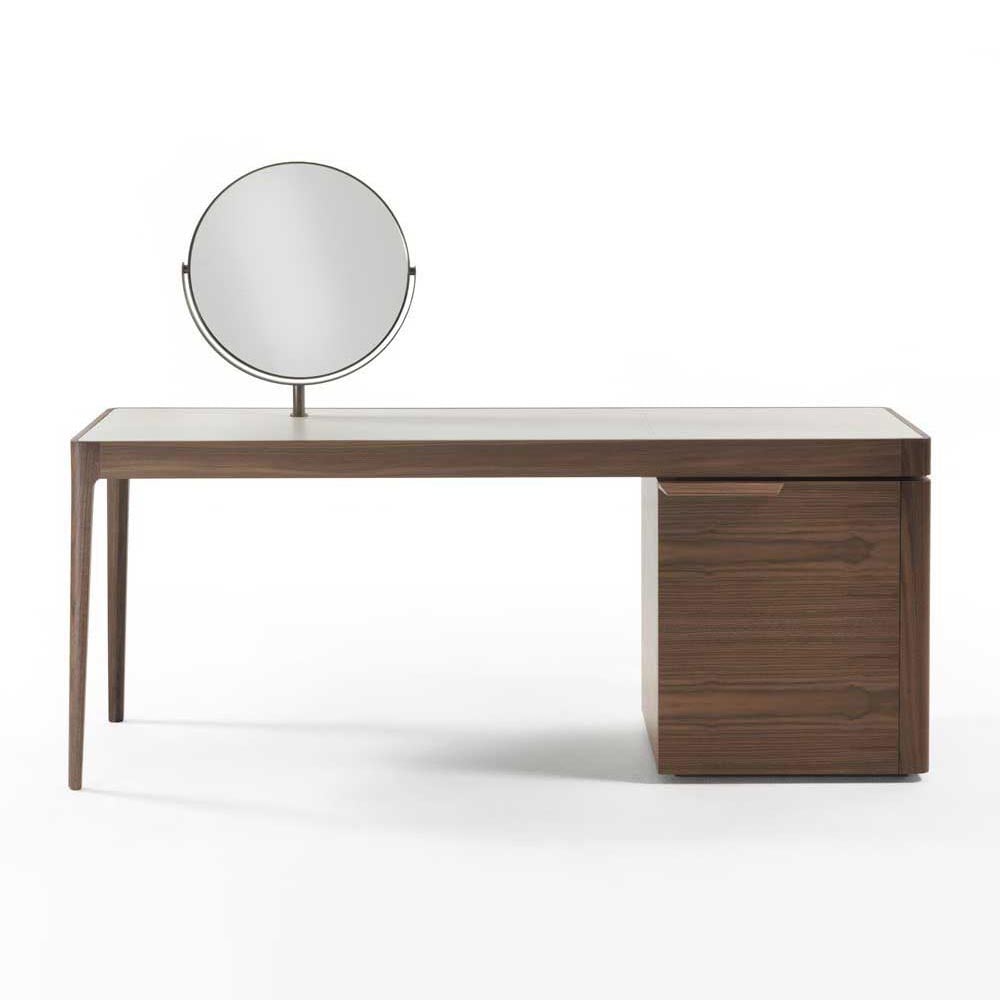
Keep surfaces clear. The quiet luxury bedroom operates on the principle that what is not there is as important as what is. Thoughtful storage - fitted wardrobes with interiors designed for actual use, a chest of drawers with smooth-running drawer boxes, a discreetly integrated dressing area - is what makes a bedroom feel genuinely serene rather than simply tidy.
Key Takeaway: In a quiet luxury bedroom, the hierarchy is always: bed, light, storage, surface. Get those four elements right and the rest of the room composes itself around them almost naturally.
One of the more counterintuitive aspects of quiet luxury interior design is its relationship with space. The tendency when working in a large room - the kind of double-reception room common in a Knightsbridge townhouse - is to fill it. To match scale with volume. In practice, the most successful quiet luxury interiors tend to do the opposite: they use space as a material in its own right.
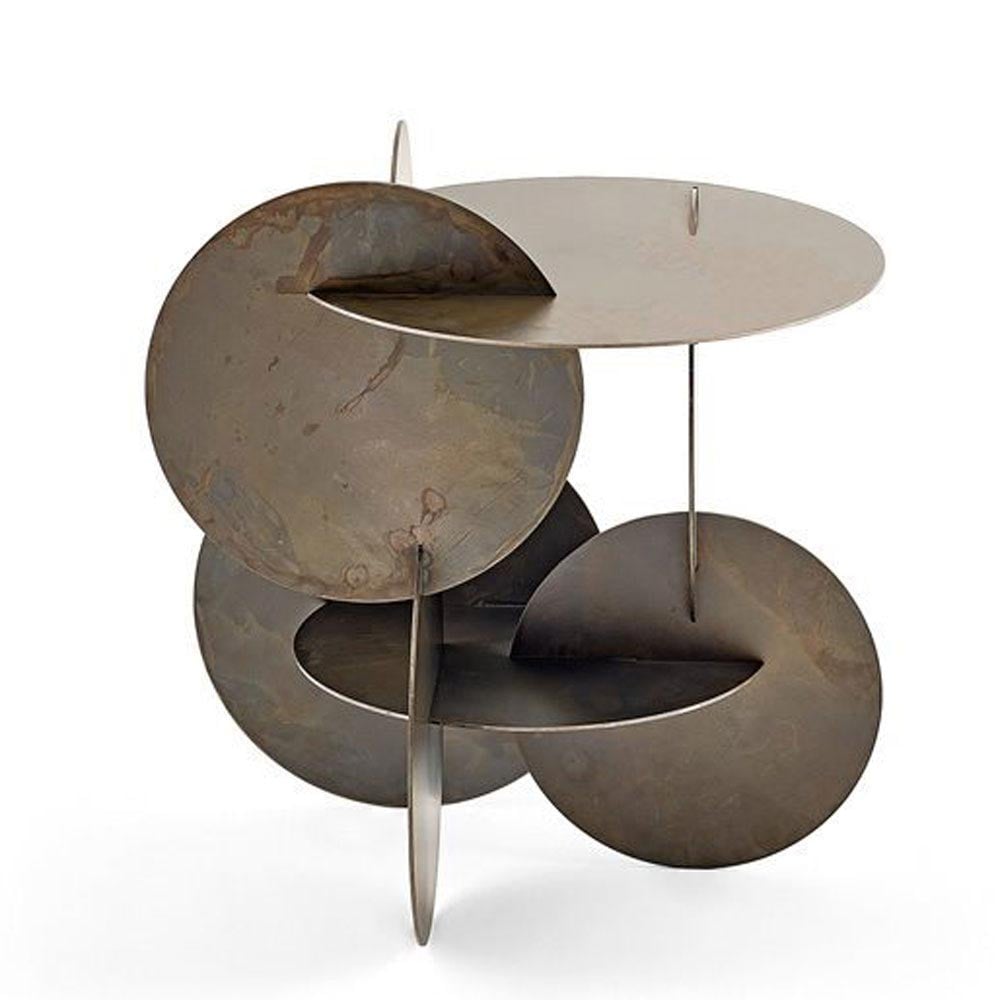
Furniture should be appropriately scaled to the room, but the arrangement should allow for genuine circulation - for the experience of moving through the room comfortably without navigating around things. In a sitting room, this often means resisting the urge to fill every corner and being genuinely disciplined about occasional furniture. One beautiful side table positioned with intention is more effective than three that have simply accumulated.
Proportion in individual pieces matters as much as proportion in the room. A sofa that sits slightly lower than conventional - that keeps the eye level in the room calm and horizontal - will contribute to a sense of ease that a higher, more upright piece does not. Furniture with refined, considered profiles rather than heavy bases and ornate detailing tends to sit more quietly in a room, which is precisely the point.
The discipline of enough is, frankly, the hardest part of this aesthetic to maintain over time. Rooms accumulate. Objects arrive as gifts or impulse purchases or well-intentioned additions. The quiet luxury interior requires a degree of editorial rigour - a willingness to remove things - that does not always come naturally. One useful habit: review the room from the doorway twice a year and ask what you would remove if you could. Then remove it.
Key Takeaway: Space is not emptiness - it is a compositional element. Edit the room as you would edit a piece of writing: once for completeness, and then again for everything that does not need to be there.
Lighting is the one element of an interior that most clients consistently underinvest in, and it is also the one that most dramatically separates a genuinely beautiful room from a merely attractive one. In a quiet luxury interior, lighting is not an afterthought applied at the end of a project - it is designed concurrently with the room itself, because the room only exists in the light it is given.
The quiet luxury approach to lighting rests on three principles. First, layers: ambient light for general orientation, task light for functional activities, and accent light for the objects and surfaces worth drawing attention to. Second, warmth: colour temperatures in the 2700K to 3000K range, universally. Cooler light reads as clinical and works against everything the aesthetic is trying to achieve. Third, control: the ability to adjust the intensity of each layer independently, typically through a well-specced dimmer system, allows the room to move through the day and evening with genuine fluency.
Ceiling recessed lighting, used as the sole source of illumination, is one of the most reliable ways to undermine an otherwise beautiful room. It creates a flat, even wash that eliminates shadow - and shadow is what gives a room its depth, warmth, and the sense of being a three-dimensional space rather than a rendered image. Recessed light has its place as a supplement to other sources, particularly for task areas and for highlighting architectural details, but it should never be the whole answer.
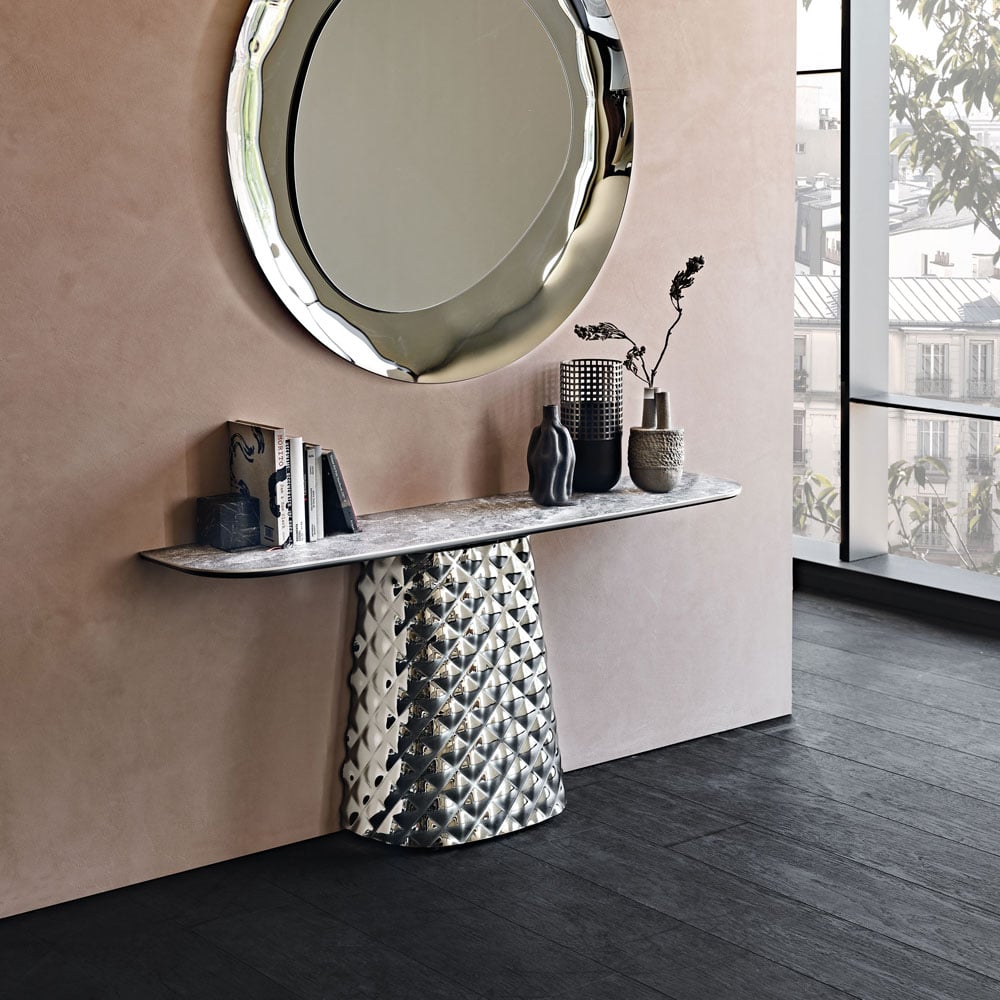
Table lamps and floor lamps are the workhorse elements of good domestic lighting. They bring the light source down to human height, they create pools of warm illumination that feel genuinely inviting, and they allow the room to be re-composed simply by repositioning them. A pair of well-chosen table lamps on a console or a sideboard will do more for a room than a significant expenditure on a statement pendant, in most cases.
Key Takeaway: Commission your lighting design before you finalise your furniture plan, not after. The two are interdependent - a beautiful piece of furniture lit badly is a wasted opportunity, and a thoughtfully lit room with modest furniture can be genuinely extraordinary.
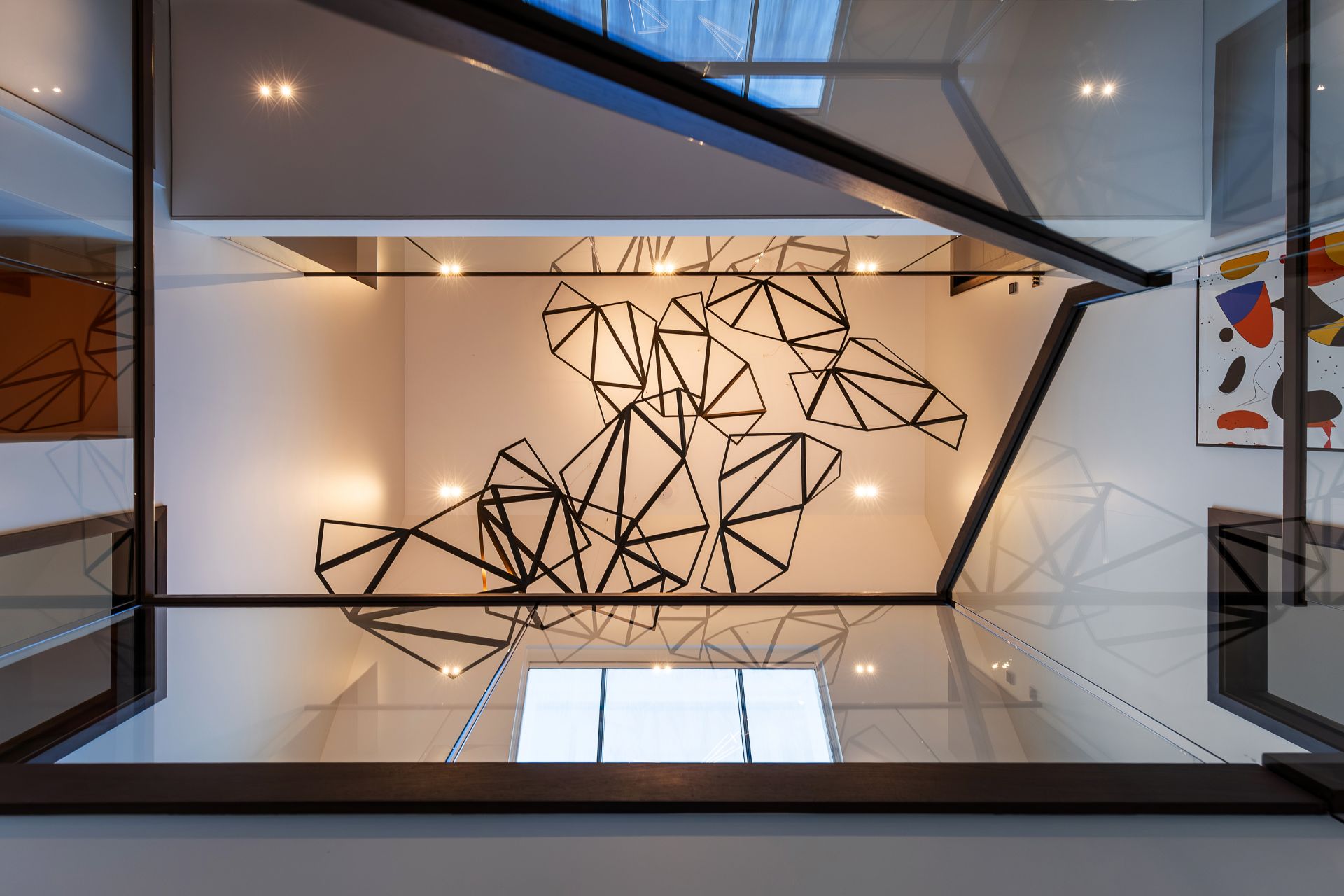
Quiet luxury interior design is ultimately resolved at the level of detail - the decisions so small that they barely register consciously, but whose collective effect is the difference between a room that feels genuinely considered and one that simply looks like it cost a great deal of money.
Hardware is one of the most instructive examples. A door handle, a drawer pull, a cabinet hinge: these are things the hand touches dozens of times a day, and their quality - or lack of it - is registered physically even when it is not registered visually. Solid brass, forged iron, machined stainless steel: weight, finish, and the slight resistance of a well-engineered mechanism are worth every penny of the premium over hollow pressed fittings.
Joinery profiles deserve the same care. The depth of a shadow gap between a fitted wardrobe and a plaster wall. The reveal on a panel door. The way a skirting board transitions at an internal corner. These are the details that distinguish a room finished to a genuinely high standard from one that aspires to it. They are also, gratifyingly, details that remain invisible when done correctly - they simply contribute to the sense that the room is right.
Art and objects in a quiet luxury interior are selected rather than collected. The distinction matters. Collecting implies accumulation over time without a particularly strong editorial hand - things that have arrived and stayed. Selection implies genuine intention about what earns its place in the room and where it sits. In practice, this often means fewer pieces, larger in scale, with clear spatial relationships to each other and to the architecture of the room.
Scent, though rarely discussed in design briefs, is one of the most powerful contributors to the atmospheric quality of a room. A consistent, refined home fragrance - whether through candles, a diffuser, or the more expensive pleasure of bespoke room spray - completes the sensory register that a quiet luxury interior is trying to achieve. It is, if you will allow the slight extravagance, the full stop at the end of a very well-constructed sentence.
Key Takeaway: The quality of a quiet luxury interior is apprehended before it is seen. Hardware, joinery, fragrance, and the weight of a door: these are the signals that register first, and they are the ones your guests will remember even when they cannot articulate why the room felt so right.
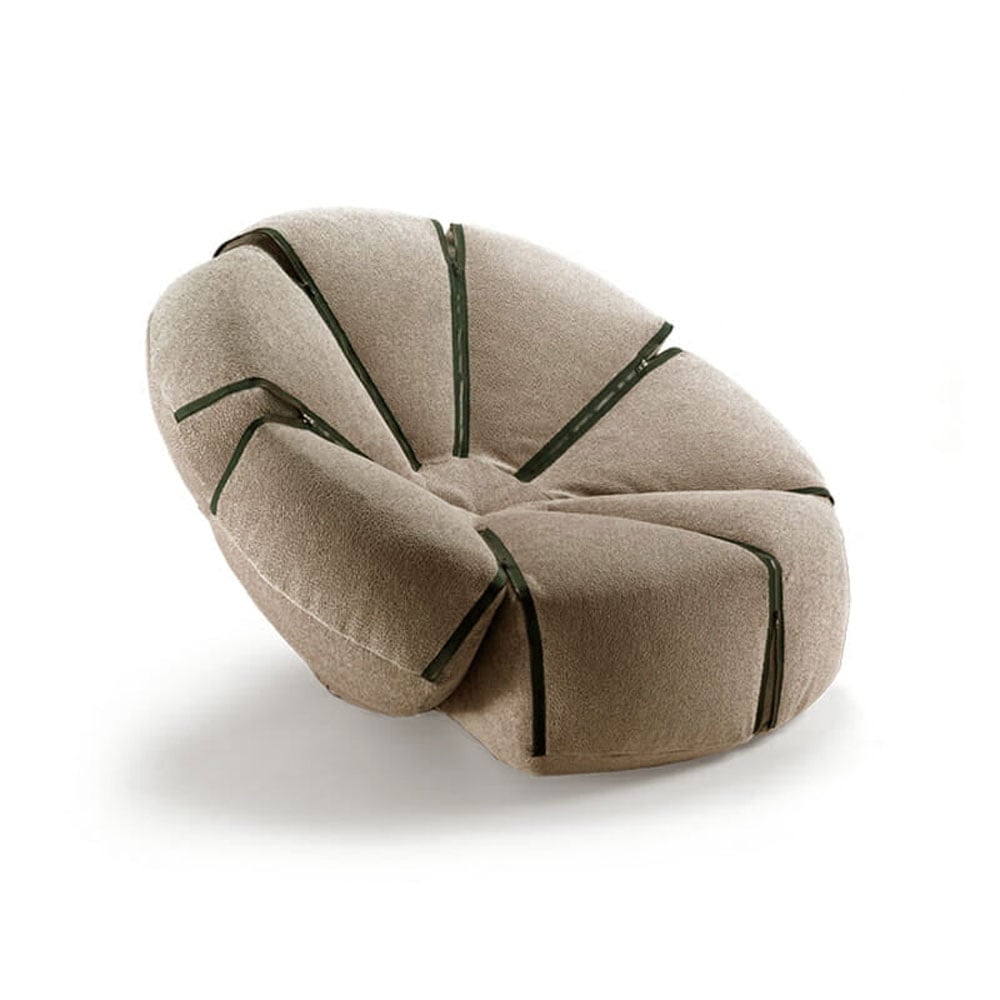
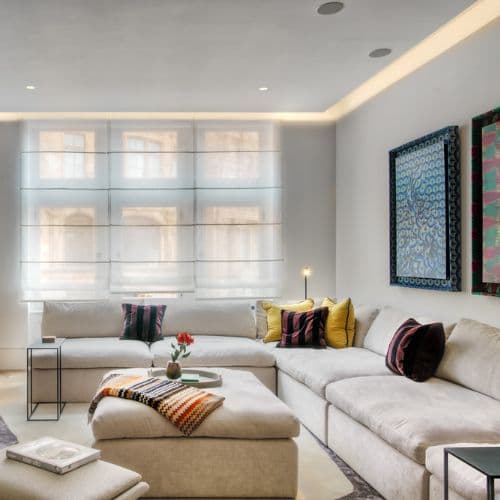
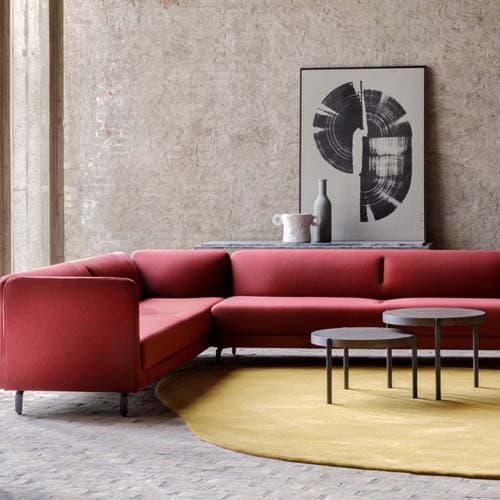
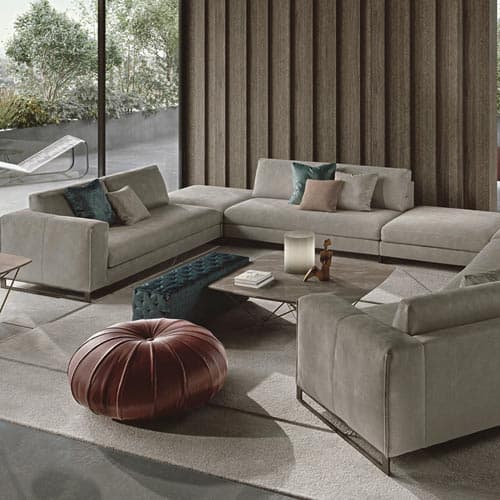
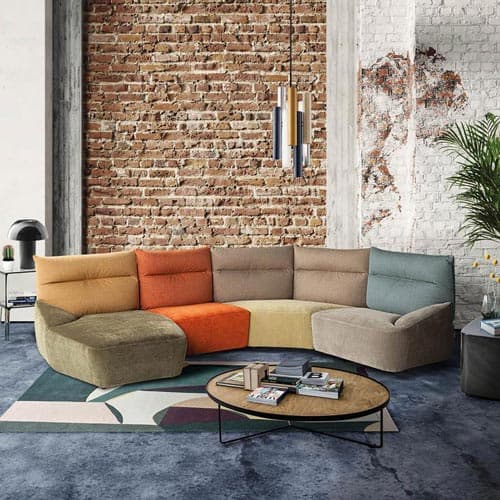
The pieces below represent some of our current recommendations at FCI London for clients working within a quiet luxury brief. Each has been selected for the integrity of its materials, the considered restraint of its design, and the quality of its manufacture - primarily from the Italian workshops we have worked with for many years.
Key Takeaway: When selecting pieces for a quiet luxury interior, the question to ask of any prospective purchase is not "do I like it?" but "does it belong here?" The first is about personal taste; the second is about compositional judgment. Both matter - but the second is rather more difficult, and rather more important.
Q. Is quiet luxury interior design the same as minimalism?
Not quite. Minimalism is a design philosophy that often prioritises the removal of personal expression from a space - it can feel austere, even rigorous. Quiet luxury, by contrast, is warm and deeply personal. It simply removes the noise: the brand signalling, the decorative excess, the pieces that exist to impress rather than to live with. A quiet luxury room is comfortable, sensory, and clearly inhabited. A minimalist room often is not meant to be.
Q. How do I introduce the quiet luxury aesthetic without a complete redesign?
Start with the surfaces you touch most frequently. Replace hollow door handles with solid brass or forged fittings. Re-upholster a tired sofa in a quality linen or bouclé. Invest in a pair of well-weighted linen curtains that reach the floor. These are all targeted interventions that shift the sensory register of a room quite substantially without requiring a ground-up project. The quiet luxury aesthetic is, in this sense, rather forgiving - it rewards incremental improvement.
Q. What makes a quiet luxury bedroom different from simply a neutral bedroom?
A neutral bedroom is defined by its colour palette. A quiet luxury bedroom is defined by its materials, its proportions, and the quality of its details - the palette is almost incidental. You could execute a quiet luxury bedroom in a deep charcoal or a saturated sage with complete success, provided the upholstered headboard is beautifully made, the lighting is warm and layered, the storage is genuinely thoughtful, and the surfaces are clear. Neutrality is one route to the aesthetic; it is not the destination.
Q. Which furniture brands best embody the quiet luxury aesthetic?
In our experience at FCI London, the Italian manufacturers we work with most closely - including Ditre Italia, Gamma and Dandy, and the Giorgio Collection - consistently produce pieces that align with quiet luxury values: natural materials, considered proportions, refined detailing, and exceptional upholstery. The common thread across all of them is a commitment to craft that predates the trend and will outlast it. These are not pieces designed to look quiet luxury; they are pieces that simply are.
Visit Our Showroom
Address & Hours:
FCI London, Rays House, North Circular Road, London, NW10 7XP
Monday - Saturday: 10am - 6pm
Sunday & Bank Holidays: 11am - 5pm
Contact Details:
Phone: +442081531235
Email: [email protected]
What to Bring:
Quiet luxury is not a trend to be chased - it is a standard to be set. The rooms that embody it best were not designed to the moment; they were designed to last, with materials chosen for their integrity, proportions considered for the long term, and details resolved with the kind of unhurried care that only becomes visible when it is absent. If you are ready to discuss a project with our team at FCI London, we would be genuinely delighted to hear from you.
Nedelia Martin (Customer)
"I discovered FCI London almost 5 years ago and I keep going back to them when I need to buy furniture. The team is fantastic - both the sales staff and the in-house designer were knowledgeable, helpful, and really took the time to understand my style."
Elisa Foppa (Customer)
"A true one-stop shop for elegant Italian design. It's rare to find such a well-curated selection all in one place in North London. The team are knowledgeable and happy to advise, while still giving you space to browse at your own pace. There are often great offers too - always worth asking the designer about current promotions."
Mike Jenkins (Design Professional)
"FCI, and Kasia in particular, provide an excellent service to design professionals and the trade. Their expertise, helpful 'can-do' approach, assistance and attention to detail is second-to-none."
We help designers & clients transform mundane spaces into extraordinary ones.


Book a video consultation and we'll advise you on furniture, space planning, colour schemes and much more.
Book A ConsultationBook a visit to our stunning, multi award-winning, 30,000 sqft.
Over 700 brands under 1 roof.
Most Popular on FCI London: Fitted Wardrobes | Luxury Designer Rugs | Luxury Sofas | Luxury Furniture Store | Luxury Interior Designers | Luxury Bedroom Furniture | Luxury Modern Chairs | Luxury Coffee Tables | Luxury Designer Kitchens | Luxury TV Units | Luxury Dining Tables | Luxury Storage Solutions | Luxury Sideboards | Luxury Stools & Bar Stools | Luxury Bespoke Joinery | Luxury Modern Hallway Furniture | Furniture Showroom Appointment | Luxury Lighting | Modern Luxury Outdoor Furniture
Transparency isn’t a policy. It’s a principle.
Have a peek at what our clients really have to say.