
Published Date: Oct 31, 2025 | Last Updated: Jun 30, 2026
Written by: Emma Cyrus, Senior Copy, Content & Editorial Writer
Reviewed by: Monika Popescu, Senior Interior Designer at FCI London
Edited by: Zoona Sikander, Head of Content
Estimated Reading Time: 5 minutes
TLDR: True luxury isn't about optimising every square metre. Niksen - the Dutch philosophy of purposeful idleness - transforms how we design high-end interiors, creating spaces that offer the increasingly rare commodity of unstructured time.
Table of Contents
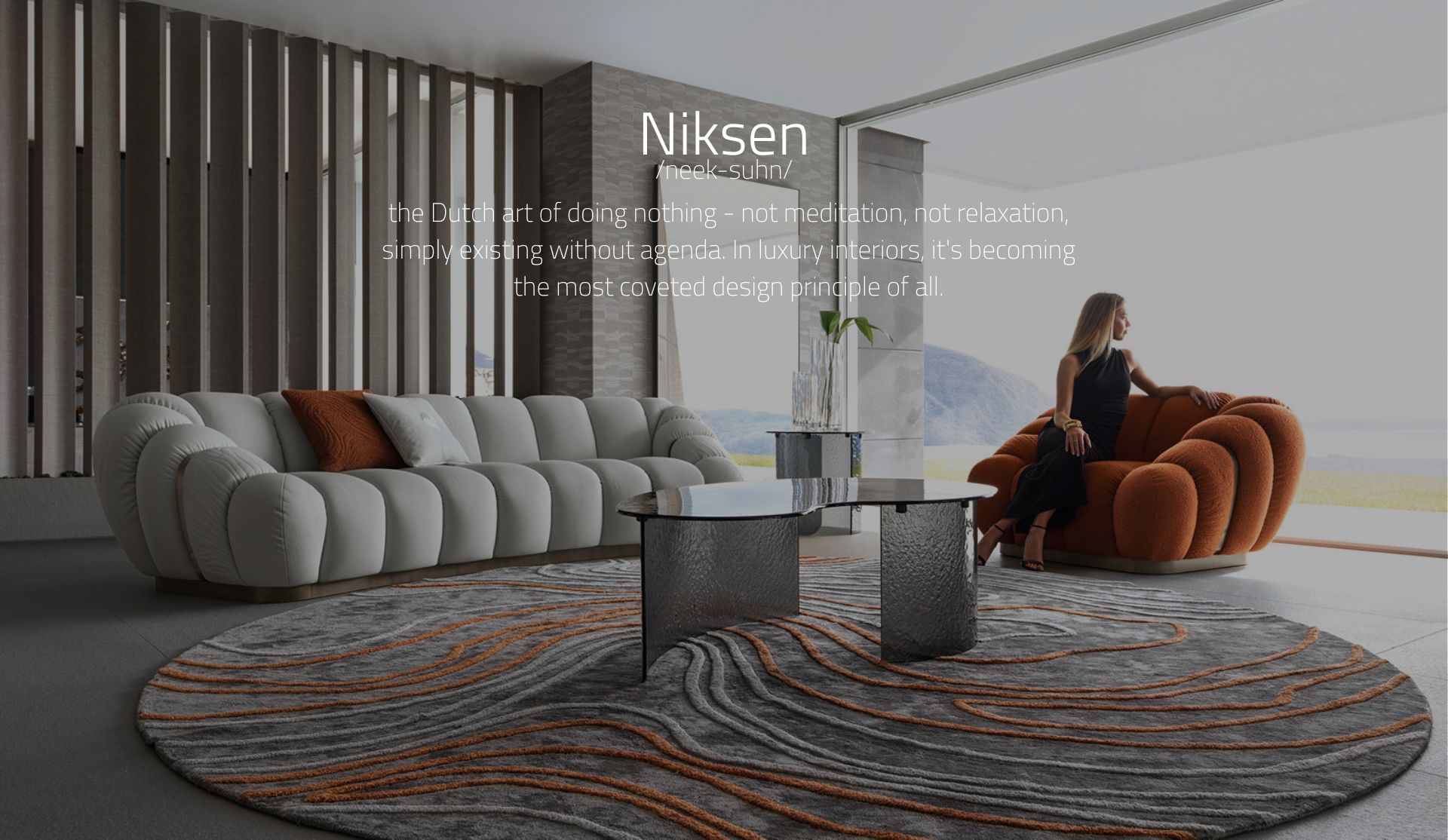
There's a rather marvellous Dutch concept called niksen - the art of doing nothing without purpose or guilt. No meditation app. No wellness journal. Not even the pretence of "mindful relaxation." Simply existing in a space, allowing thoughts to wander, with no agenda whatsoever.
In twenty years of designing for London's most discerning clients, I've witnessed a curious evolution. We've moved from homes designed as showcases of productivity - offices, gyms, wine rooms, cinema suites - to spaces that actively resist function. My clients, once obsessed with optimising every square metre, are now asking for something rather radical: rooms where nothing happens at all.
This shift in luxury interior design isn't mere whimsy. It reflects a deeper understanding that true luxury isn't about accumulating more - more features, more technology, more purpose-driven spaces - but about creating environments that offer the increasingly rare commodity of unstructured time.
In an era where every moment is monetised and optimised, niksen represents the ultimate indulgence: permission to be gloriously unproductive.
I see it constantly - clients who've invested substantially in "wellness spaces" yet never actually feel well. The yoga studio goes unused. The reading nook accumulates unread books. These spaces fail because they carry obligation. They demand something of you.
Niksen spaces, by contrast, demand nothing.
They exist purely to hold you whilst you do precisely nothing of consequence. You might gaze out of a window. You might observe how light changes across a wall. You might sit in a comfortable chair and allow your mind to drift entirely. There's no achievement to unlock, no wellness goal to meet, no Instagram-worthy moment to capture.
In Hampstead recently, I designed what we quietly termed "the pause room" for a particularly overextended hedge fund director. No desk. No television. No bookshelves groaning with worthy tomes. Simply a beautifully proportioned space with a single daybed, positioned to capture the shifting afternoon light through floor-to-ceiling windows. Six months later, he confessed it had become his favourite room in a £4.5 million house - precisely because nothing happened there.
Key Takeaway: Purposeless spaces succeed where wellness rooms fail because they carry no obligation - they simply exist to hold you whilst you exist, with no achievement required.
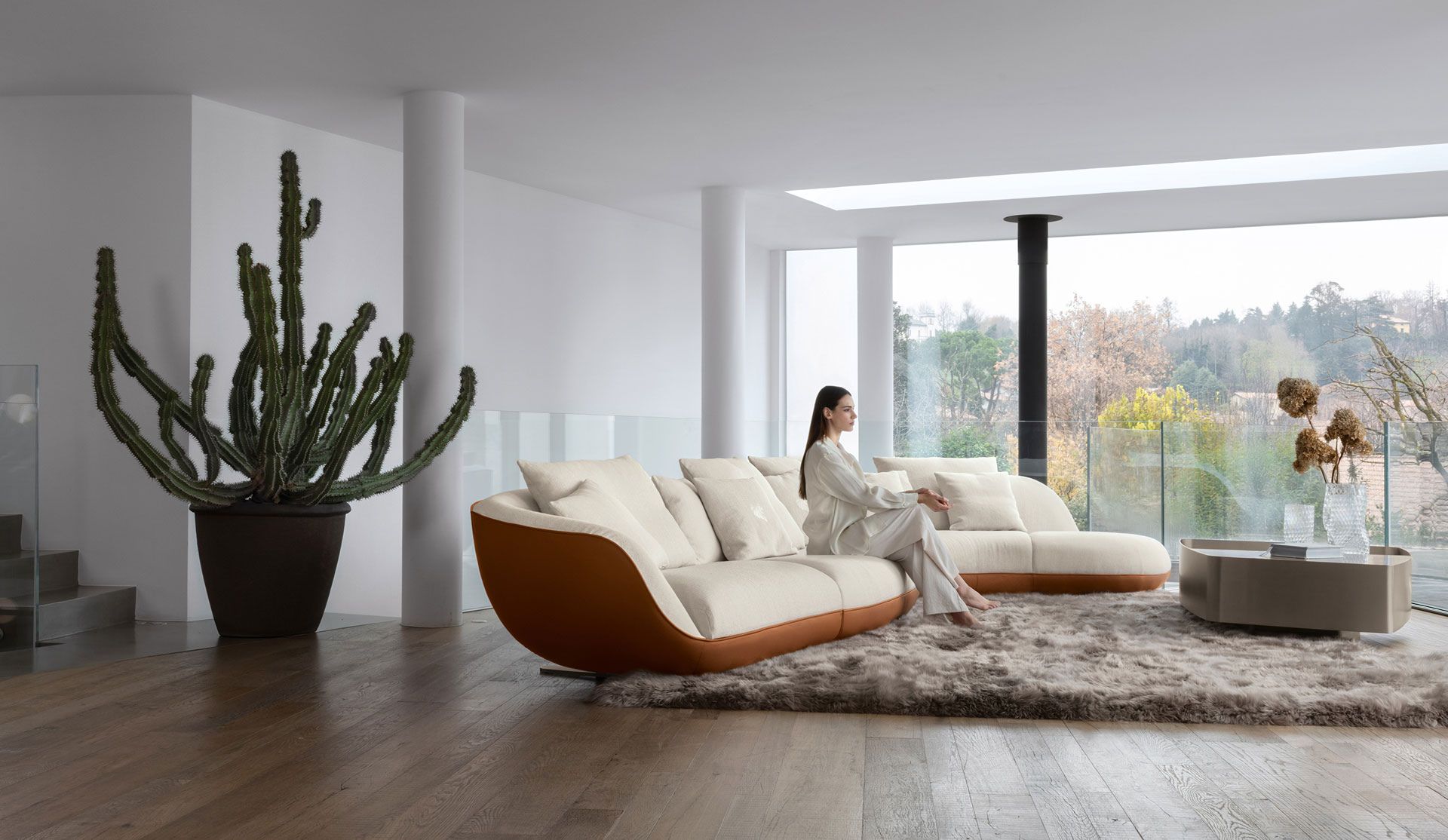
Creating authentic niksen spaces requires rather more skill than simply leaving a room empty. These aren't forgotten corners or half-hearted "bonus rooms." They demand careful curation - a sort of anti-design that paradoxically requires substantial design thinking.
First, abandon the British obsession with filling every corner.
A niksen space needs room to breathe, which means resisting the urge to add "just one more chair" or "a small side table that might be useful." The space itself becomes the luxury - an increasingly rare commodity in London, where property prices encourage maximum utilisation of every square foot.
I typically recommend a minimum of 12-15 square metres for a dedicated niksen room, though I've created successful contemplative corners within larger spaces.
The key is ensuring the area feels deliberately spacious rather than accidentally empty.
Natural light is essential, but avoid the theatrical. North-facing windows offer consistent, non-directional light throughout the day - ideal for spaces designed around stillness rather than spectacle. In a recent Kensington project, we positioned a daybed to capture the gentle afternoon glow through sheer linen panels, creating an ever-changing yet never demanding light quality.
If your space lacks ideal natural light, consider installing dimmable ambient lighting that mimics daylight's subtle variations. Avoid spotlights or statement fixtures that draw attention to themselves. The lighting should simply exist, noticed only in its absence.
A niksen space requires surprisingly little furniture, but what you include must be exceptional. One supremely comfortable seat - perhaps a Cream Armchair by Leolux with matching footstool or a bespoke upholstered daybed - chosen specifically for its capacity to hold a body in restful suspension for extended periods.
The fabric matters enormously. I favour natural materials with textural interest: a nubby linen that invites touch, or a wool bouclé that provides subtle sensory engagement without demanding attention. Avoid anything too precious or delicate - these spaces must welcome genuine use, not cautious perching.
Pattern implies narrative. It suggests something to read, interpret, or respond to. Niksen spaces benefit from textural layering instead: the grain of wide-plank oak flooring, the weave of natural fibre rugs, the subtle slub of stone-washed linen at the windows. These elements provide richness without creating visual noise.
In a Chelsea townhouse, we specified walls in lime plaster with deliberate irregularities that catch light differently throughout the day. The effect provides endless visual interest for an unfocused gaze without ever demanding active attention - rather like watching clouds.
Often overlooked, sound quality profoundly affects our ability to truly rest. A niksen space should feel acoustically cocooned without being oppressively silent. Soft furnishings naturally absorb harsh echoes, whilst thick curtains and quality underlay create a gentle sound envelope that filters external noise without complete isolation.
In a recent project, we installed acoustic panels disguised within timber battening and specified heavy wool rugs with substantial underlay. The result was a space where traffic noise became a distant murmur rather than an intrusion - present enough to maintain connection to the world, muted enough to permit genuine mental drift. This careful calibration between silence and soundscape makes the difference between a space that feels peaceful and one that feels merely empty.
Key Takeaway: Successful niksen spaces require five deliberate design considerations - generous proportions, understated natural light, minimal exceptional furnishing, textural rather than patterned surfaces, and carefully calibrated acoustics that cocoon without isolating.
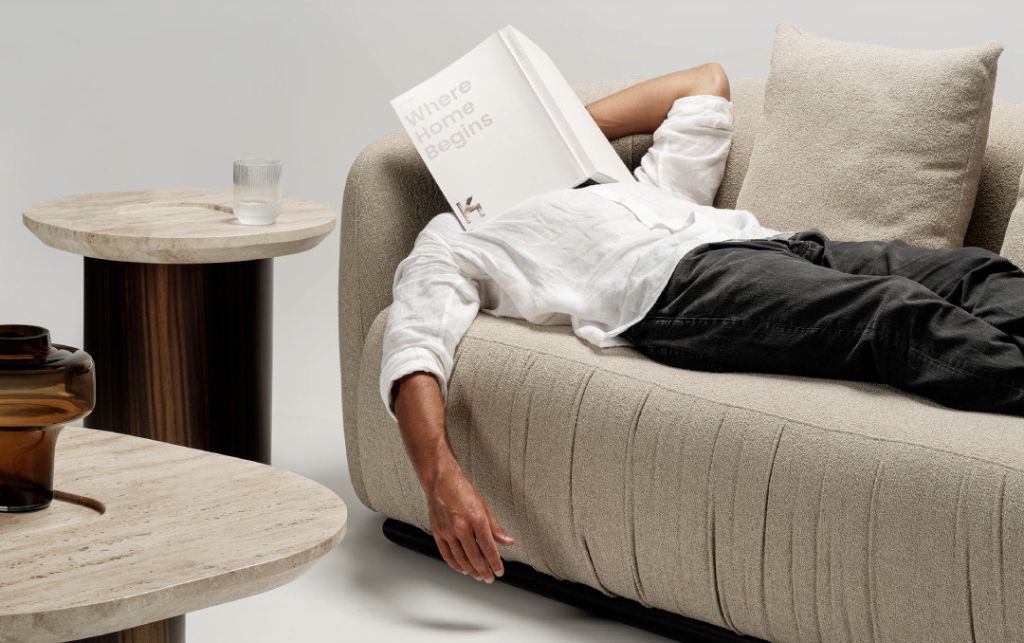
Even sophisticated clients and experienced interior designers sometimes struggle with the concept initially. The urge to add "just something useful" proves nearly irresistible. I've learned to recognise certain pitfalls:
Clients inevitably suggest adding a small desk "for occasional use." This immediately transforms a niksen space into an underutilised office that generates guilt. If you need a workspace, create one elsewhere. These two functions cannot coexist without compromising both.
The suggestion of "maybe just a small television for background noise" is code for "I don't actually believe in doing nothing." Niksen spaces must be technology-free zones. No screens. No speakers. Not even a charging point for your iPhone. This isn't about deprivation - it's about creating genuine alternatives to our default digital existence.
Ironically, these spaces fail when they become too designed. I've seen architects create beautiful contemplative spaces that feel more like gallery installations than rooms for actual human use. The space must feel effortless, as though it simply evolved rather than being meticulously planned - despite requiring meticulous planning to achieve that effect.
Bookshelves, yoga mats, meditation cushions - all suggest you should be doing something improving. A niksen space specifically rejects self-improvement. You're not there to become a better version of yourself. You're simply there.
Key Takeaway: The most common mistake is adding elements that introduce purpose or obligation - resist every urge to make the space "useful" and keep it completely technology-free to preserve its essential character.
.jpg)
Not everyone has the luxury of dedicating an entire room to purposeless existence. Fortunately, niksen principles adapt beautifully to smaller interventions within existing layouts.
Rather than creating storage beneath (which immediately assigns function), commission a simple built-in daybed with a deep, upholstered cushion positioned in a bay window. Add nothing else. No built-in bookshelves. No clever lighting for reading. Simply a place to sit and observe the world passing by - something Londoners rarely permit themselves to do.
Wide landings or corridor expanses often become display areas for art or console tables holding flowers. Consider instead a single exceptional chair positioned to capture light from a stairwell window. I've used this approach in several Notting Hill conversions, transforming overlooked circulation space into coveted pause points.
Garden rooms typically become overflow offices or exercise spaces. Instead, remove rather than add. Clear the unnecessary furniture. Install comfortable seating that faces the garden rather than a screen. Accept that this space will actively resist productivity - and celebrate that resistance.
Key Takeaway: You don't need a dedicated room to embrace niksen principles - window seats, landing spaces, and garden rooms can be transformed by removing function rather than adding it.
Clients initially question the value of "wasting" valuable square footage on nothing. The conversation becomes rather different six months later, after they've discovered these spaces become the most used rooms in their homes.
There's a particular quality to time spent in genuine niksen spaces - it doesn't feel stolen or guilty. You're not avoiding something you should be doing. You're actively engaging in the radical act of simply being, in a space specifically designed to support that state.
My client who insisted on the "pause room" recently mentioned he now schedules thirty minutes there each afternoon - not for meditation or reading, simply for existing. His assistant blocks the time as rigorously as board meetings. He credits this practice with improving decision-making, enhancing creativity, and generally making him rather less insufferable to live with.
That's rather the point. Niksen spaces don't improve you through effort. They improve you through permission - permission to stop optimising, to cease achieving, to simply inhabit your expensive home without agenda.
Key Takeaway: Despite initial reservations about "wasted" space, clients consistently report that niksen rooms become their most valued and frequently used spaces, improving wellbeing without demanding any effort or achievement.
If this concept resonates, begin simply. Identify a space in your home where you naturally pause - perhaps a landing with good light, or a corner of your bedroom that never quite found purpose. Remove everything currently there. Observe how the space feels empty.
Then add back only what supports genuine rest: one exceptional seat, positioned to maximise natural light and pleasing views. Perhaps a small side table for tea. Natural materials underfoot. Soft window treatments that filter rather than block light.
Most importantly, resist every urge to make the space "useful." Its only function is to hold you whilst you do nothing whatsoever. That is, rather paradoxically, an exceptionally useful function indeed.
The Dutch have understood this for years. Perhaps it's time we sophisticated Londoners caught up.
We help designers & clients transform mundane spaces into extraordinary ones.


Book a video consultation and we'll advise you on furniture, space planning, colour schemes and much more.
Book A ConsultationBook a visit to our stunning, multi award-winning, 30,000 sqft.
Over 700 brands under 1 roof.
Most Popular on FCI London: Fitted Wardrobes | Luxury Designer Rugs | Luxury Sofas | Luxury Furniture Store | Luxury Interior Designers | Luxury Bedroom Furniture | Luxury Modern Chairs | Luxury Coffee Tables | Luxury Designer Kitchens | Luxury TV Units | Luxury Dining Tables | Luxury Storage Solutions | Luxury Sideboards | Luxury Stools & Bar Stools | Luxury Bespoke Joinery | Luxury Modern Hallway Furniture | Furniture Showroom Appointment | Luxury Lighting | Modern Luxury Outdoor Furniture
Transparency isn’t a policy. It’s a principle.
Have a peek at what our clients really have to say.