
Published Date: Dec 19, 2025 | Last Updated: Jun 30, 2026
Written by: Emma Cyrus, Senior Copy, Content & Editorial Writer
Reviewed by: Saran Razzaq, Senior Interior Designer at FCI London
Edited by: Zoona Sikander, Head of Content
Estimated Reading Time: 5 minutes
TLDR: Selecting the right interior designer requires asking strategic questions that reveal their working style, project management capabilities, and genuine understanding of your requirements. This guide presents ten essential questions to ensure you engage a designer with the expertise, temperament, and professionalism to deliver your vision - from understanding their design process and fee structure to evaluating their approach to budget management, trade relationships, and sustainability practices.
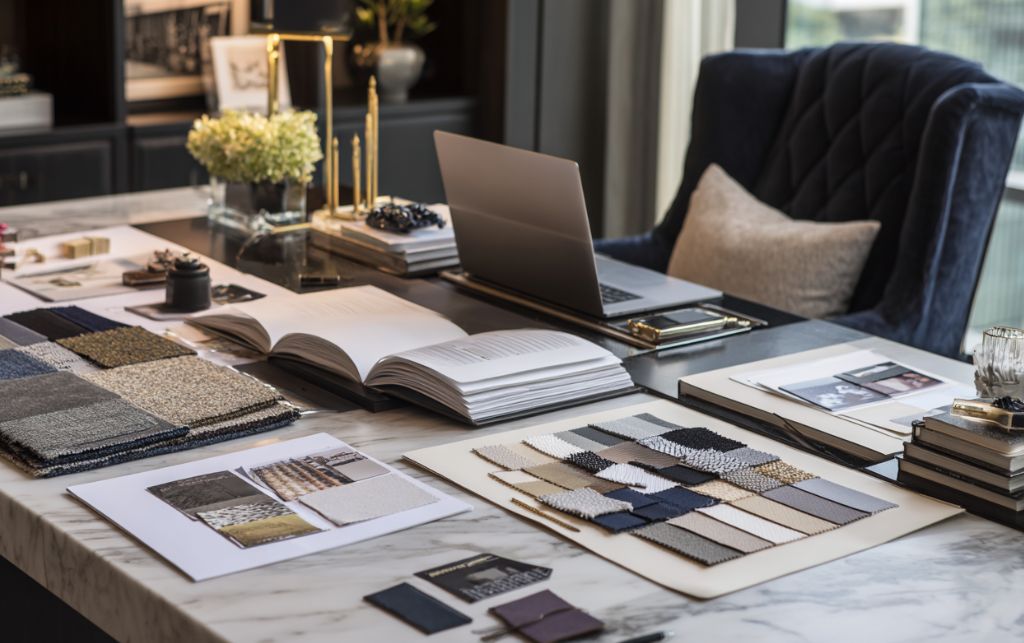
Choosing an interior designer shouldn't feel like a gamble, yet so many homeowners dive in based on portfolio gloss alone. The truth? A stunning Instagram feed tells you nothing about how someone works under pressure, manages budgets, or translates your half-formed ideas into something genuinely breathtaking. Whether you're a discerning homeowner in London orchestrating a complete redesign or a fellow design professional refining your own vetting process, these ten strategic questions cut through the fluff and expose exactly what matters: compatibility, capability, and whether this person can actually deliver the sophisticated result your project demands.
Selecting an interior designer is one of the most consequential decisions in transforming your home. Over nearly two decades, I've worked with discerning clients across London's most prestigious addresses and observed how the right designer elevates a project, while the wrong choice can lead to costly disappointment. Often, the difference lies not in the portfolio or initial charm, but in asking the precise questions that reveal a designer's true capabilities and compatibility with your vision.
Hiring luxury interior designers demands the same rigour you'd apply to selecting any professional partner.
Your home represents a significant financial and emotional investment, and the designer you choose will influence not just aesthetics, but functionality, timeline, and your overall experience. A careful vetting process safeguards your interests and lays the foundation for a productive collaboration.

Before engaging luxury interior designers, it helps to have a framework that goes beyond admiring beautiful images. Your questions should illuminate working style, project management capabilities, and whether the designer genuinely understands your requirements. Each enquiry builds a clearer picture of what working together would involve.
These aren't mere formalities - they are strategic tools for discerning whether a designer possesses the expertise, approach, and temperament to deliver what you envision. The answers, and how they are delivered, reveal volumes about professionalism, transparency, and commitment to client satisfaction.
Understanding what to ask is only the beginning. Once you've established the importance of a thoughtful approach, it's time to dive into the specific questions that will help you identify the right professional for your project.
A designer's methodology reveals how they will shepherd your project from concept to reality. You want clarity on every stage: initial consultation, space planning, concept development, material selection, contractor coordination, and final styling. Reputable interior designers articulate a structured process that balances creativity with operational rigour.
Consider how they handle timelines, key decision points, and inevitable challenges. In my practice, a five-phase approach ensures clients know exactly what is happening at each stage, reducing the anxiety often associated with renovation. If a designer struggles to explain their process, it may indicate a lack of the systematic approach essential for complex projects.
Reviews provide insight beyond a curated portfolio. Ask for contacts from projects completed in the past year that mirror your scope, whether a full house renovation, a single-room redesign, or specialist work like kitchens. Speaking directly with previous clients reveals how a designer communicates, manages budgets, resolves disputes, and delivers on promises.
When contacting references, enquire about responsiveness, adherence to timelines, problem-solving, and whether they would work with the designer again. One Chelsea client praised her designer's ability to navigate planning permissions and listed building restrictions - practical competence that often distinguishes exceptional professionals from merely talented ones.
Transparency around fees prevents misunderstandings that could sour the collaboration. Designers may charge hourly rates, fixed fees, a percentage of project cost, or a hybrid. It's crucial to know what is included - site visits, sourcing, project management, styling - and what may incur additional charges.
Request a detailed breakdown separating design fees from purchasing, implementation, and any other services. Clarify payment terms, deposits, and refund policies. Professionals provide clear, written fee structures; any ambiguity can signal potential complications.
Budget overruns are a common source of tension. A skilled designer maximises value while respecting financial limits. They should discuss your budget early, assess feasibility, and maintain systems to track expenditure, obtain competitive quotes, and update you as decisions are made.
Ask how they handle situations when preferred specifications exceed the budget. Do they present alternatives or source comparable items at better prices? On a recent Kensington project, we established a 15% contingency for unexpected discoveries - a precaution that proved invaluable when structural issues emerged. Open, candid discussions about finances demonstrate professionalism and respect for your resources.
Successful collaborations balance expertise with your personality. The goal is not to impose a signature style, but to interpret and elevate your aesthetic. Ask how designers understand your preferences - through detailed briefings, mood boards, or other tools - to ensure alignment.
Inquire about flexibility when your vision diverges from their recommendations. While you hire them for expertise, the home must reflect your life. When working with clients, I often visit their current home to understand treasured pieces, preferred colours, and lifestyle requirements, shaping decisions at every subsequent stage.
Established designers have networks that benefit your project significantly. Relationships with skilled trades, suppliers, and bespoke makers can secure better pricing, priority scheduling, and quality assurance. Ask whether they work with vetted contractors and can source from trade-only suppliers.
These connections also reflect standing in the industry. A designer with longstanding trade relationships demonstrates reliability - trades rarely maintain partnerships with difficult or unprofessional professionals. Their ability to coordinate specialists while maintaining momentum separates competent designers from exceptional ones.
If you are engaging in more than concept services, project management is essential. Clarify their role during implementation: site visits, meetings, communication with contractors, and escalation of issues. Understanding their authority - can they approve work, or must you be present? - is crucial.
Experienced luxury designers ensure execution matches vision. When contractors know a knowledgeable designer is overseeing work, standards naturally rise. Your designer should seamlessly manage quality, timelines, and coordination while protecting your investment.
Creative differences are inevitable. Address them openly: how does the designer respond if you reject their recommendations? Do they provide alternatives? What is their approach if you insist on choices they consider unsuitable?
The response reveals collaboration and ego management. You want a designer confident in their expertise but flexible to accommodate your preferences. During a Notting Hill renovation, a client's paint choice initially seemed questionable - but testing large samples under different light conditions revealed her decision was perfect. Collaboration often produces better results than unilateral decision-making.
Design evolves continuously, with new materials, technologies, and approaches emerging regularly. Ask how a designer maintains knowledge - trade shows, continuing education, professional organisations? Commitment to growth signals dedication to craft.
Sustainability is increasingly central. Can they source eco-friendly materials? Do they understand energy-efficient design? Familiarity with standards like Passivhaus or BREEAM is a bonus. Many luxury designers now integrate sustainability without compromising aesthetic standards - a key consideration for forward-thinking clients.
This question encourages designers to articulate their priorities. Do they emphasise aesthetics, functionality, client satisfaction, or portfolio enhancement? Exceptional professionals define success by your delight with the completed space and a seamless process.
Their response also shows whether they have understood your objectives or are approaching the project from their perspective. I always reflect client goals back, ensuring their vision - whether for a perfect entertaining space, growing family needs, or a bespoke library - remains central.

After speaking with several candidates, you will have the insight to make an informed choice. Beyond technical ability, consider chemistry - you'll spend considerable time together, and mutual respect enhances the journey. Trust your instincts alongside practical evidence gathered.
Investing in a designer aligned with your vision, budget, and working style pays dividends throughout the project and in your satisfaction with the completed space. At FCI London, we encourage clients to ask probing questions - this engagement is often the hallmark of successful collaborations. Your home deserves a designer who meets your standards for creativity and professionalism.
To explore how our approach could bring your vision to life, we invite you to visit our showroom for a personalised consultation and discussion of your project.

How long should an initial consultation with an interior designer last?
A proper initial consultation typically spans 60 to 90 minutes, allowing the designer sufficient time to understand your vision, assess the space, discuss budget parameters, and explain their approach. Rather brief encounters often indicate a transactional mindset, whilst genuinely helpful professionals invest time upfront to ensure mutual compatibility and lay the groundwork for a successful collaboration.
Should I interview multiple designers before making a decision?
Absolutely - speaking with three to five designers provides invaluable perspective on different approaches, fee structures, and working styles. This comparative process helps you recognise which professional truly understands your vision and demonstrates the temperament for productive collaboration. The investment of time in thorough vetting invariably pays dividends throughout your project.
What red flags should I watch for when interviewing designers?
Be wary of designers who cannot articulate a clear process, refuse to provide references, show ambiguity around fees, or demonstrate inflexibility regarding your preferences. Similarly concerning are those who overpromise on timelines, dismiss budget concerns, or pressure immediate commitment. Exceptional professionals welcome questions and provide transparent, detailed responses that build confidence.
How important is it that the designer has experience with listed buildings or period properties?
If your property has heritage designations or period features, specialist experience becomes quite extraordinary in value. These projects require navigating planning permissions, conservation officer requirements, and sensitive integration of modern amenities whilst preserving character. A designer familiar with these complexities saves considerable time, frustration, and potential costly mistakes that inexperienced professionals might encounter.
Address & Hours:
FCI London, Rays House, North Circular Road, London, NW10 7XP
Monday - Saturday: 10am - 6pm
Sunday & Bank Holidays: 11am - 5pm
Contact Details:
Phone: +442081531235
Email: [email protected]
What to Bring:
Valentina Simone
"Our experience with FCI London has been flawless. The table and chairs we purchased are of excellent quality, and there was a great variety to choose from. Monica and Perla helped both with the original purchase and the delivery."
Nedelia Martin
"I discovered FCI London almost 5 years ago, and I keep going back to them when I need to buy furniture. The team is fantastic- both the sales staff and the in-house designer were knowledgeable, helpful, and really took the time to understand my style."
Chava Kahn
"Service was personalised and excellent. Sanjay saw us through the process from start to end, ensuring that we were happy with our choices. The delivery guys were amazing and went the extra mile."
We help designers & clients transform mundane spaces into extraordinary ones.


Book a video consultation and we'll advise you on furniture, space planning, colour schemes and much more.
Book A ConsultationBook a visit to our stunning, multi award-winning, 30,000 sqft.
Over 700 brands under 1 roof.
Most Popular on FCI London: Fitted Wardrobes | Luxury Designer Rugs | Luxury Sofas | Luxury Furniture Store | Luxury Interior Designers | Luxury Bedroom Furniture | Luxury Modern Chairs | Luxury Coffee Tables | Luxury Designer Kitchens | Luxury TV Units | Luxury Dining Tables | Luxury Storage Solutions | Luxury Sideboards | Luxury Stools & Bar Stools | Luxury Bespoke Joinery | Luxury Modern Hallway Furniture | Furniture Showroom Appointment | Luxury Lighting | Modern Luxury Outdoor Furniture
Transparency isn’t a policy. It’s a principle.
Have a peek at what our clients really have to say.