
Published Date: Mar 19, 2025 | Last Updated: Jun 30, 2026
Written by: Cristina Chirila, Senior Interior Designer at FCI London
Edited by: Zoona Sikander, Interior Design Writer & Social Media Content Creator
Reviewed by: Emma Cyrus, Senior Copy, Content & Editorial Writer
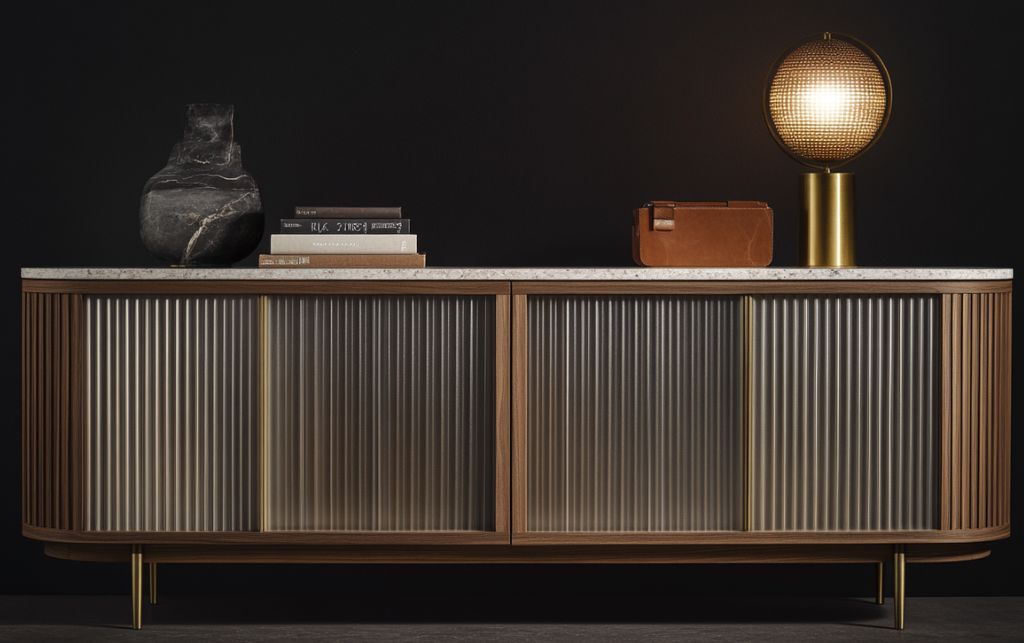
There's something utterly magnetic about a dark wood sideboard gracing a well-appointed dining room. As someone who has spent two decades transforming spaces, I've witnessed firsthand how these magnificent pieces become the gravitational centre of sophisticated interiors. Dark wood creates an immediate sense of gravitas and permanence—qualities that simply cannot be replicated by lighter finishes or trendy alternatives.
The deep, rich tones of a solid dark wood sideboard offer a sensorial experience that transcends mere functionality. They anchor a room with quiet confidence while simultaneously elevating everything around them. In the ever-spinning carousel of interior trends, they remain steadfast, growing more characterful with each passing year—rather like a good Bordeaux, if you'll forgive the slightly predictable comparison.
What makes these pieces particularly fascinating is their chameleon-like ability to complement virtually any design direction. Whether you're crafting a classically inspired interior or pushing boundaries with contemporary statements, the right dark wood piece bridges periods and styles with remarkable versatility.
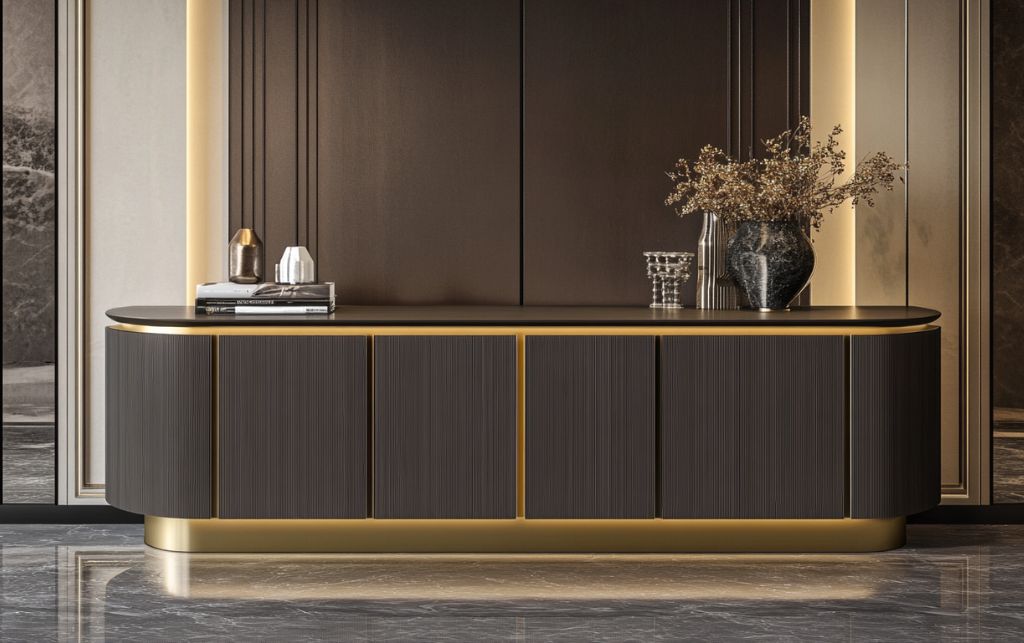
To truly appreciate the enduring appeal of dark wood sideboards, one must understand their storied heritage. These functional beauties have graced dining rooms since the 18th century, when the Georgian period introduced formal dining customs that necessitated storage for silver, linens and serving pieces.
The Victorian era saw these pieces become increasingly ornate, with elaborate carvings and substantial proportions that reflected the period's love of visual richness. There's something rather magical about incorporating a piece with centuries of dinner parties, family gatherings and perhaps a few whispered secrets in its drawers.
By the mid-20th century, designers like Edward Barnsley and Gordon Russell were reimagining the dark wood sideboard cabinet with cleaner lines while maintaining the inherent warmth of traditional woods. This evolution continues today, with contemporary designers creating pieces that honour historical precedents while embracing modern sensibilities—proof that good design is indeed timeless.
What began as purely utilitarian furniture has evolved into something far more significant in the interior landscape. The transformation from simple storage to design centrepiece reflects our changing relationship with domestic spaces. Earlier iterations were workhorses, hidden away in service areas until needed.
Today's dark wood buffet sideboard often occupies pride of place in dining rooms, living areas and even entrance halls. The contemporary emphasis on open-plan living has elevated these pieces further, as they must now look spectacular from all angles. This shift has inspired makers to pay equal attention to backs and sides—details that would have been considered unnecessary extravagances in earlier periods.
In my practice, I frequently encounter clients who initially dismiss dark wood as "too traditional" only to find themselves utterly smitten when shown the right piece. Recently, a client insisted she wanted only pale woods until I introduced her to a magnificent dark wood modern sideboard with subtle brass detailing—now she can't imagine her dining room without it.
The universe of dark wood sideboards is wonderfully diverse, with options to suit every space and sensibility. Understanding these variations helps tremendously when making selections for different interior schemes—what works brilliantly in a Georgian townhouse might feel entirely wrong in a converted warehouse.
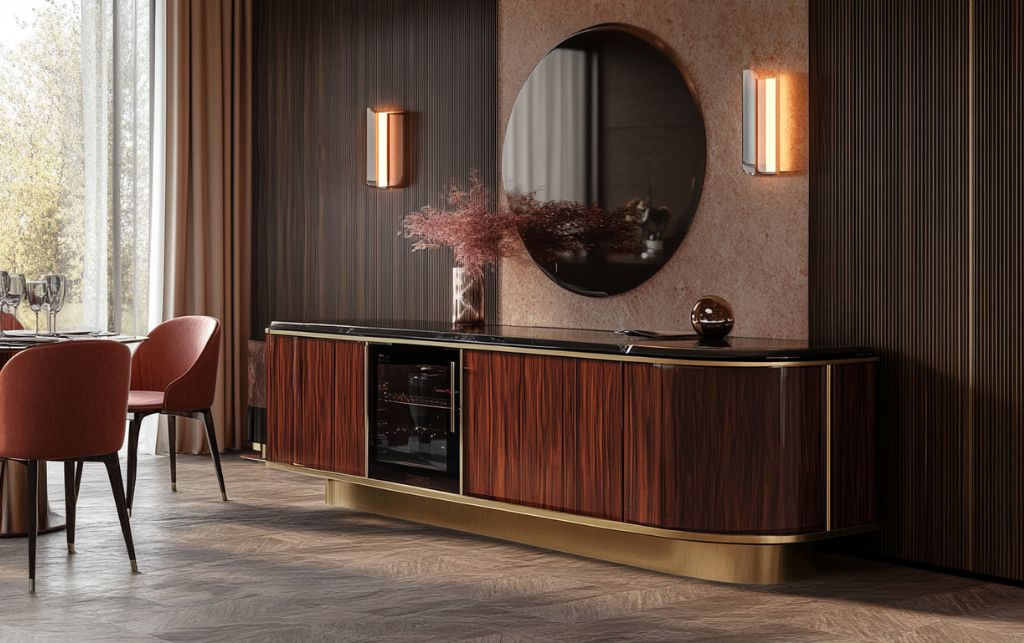
Traditional designs typically feature substantial proportions, detailed joinery and often incorporate elements like fluted columns, carved mouldings, or inlay work. A classic dark wood 2 door sideboard might showcase bookmatched veneers or flame mahogany patterns that create natural artwork across its surfaces. These pieces bring immediate gravitas to formal dining rooms and traditional settings.
In these designs, one often finds thoughtful interior details like silver drawers with anti-tarnish linings or bottle dividers—evidence of their practical heritage. The most exquisite examples employ secondary woods for drawer interiors, creating a delightful surprise when opened. I've found that these traditional pieces work beautifully in unexpected contexts too—placing a Georgian-inspired piece in an otherwise contemporary space creates tension that keeps things interesting.
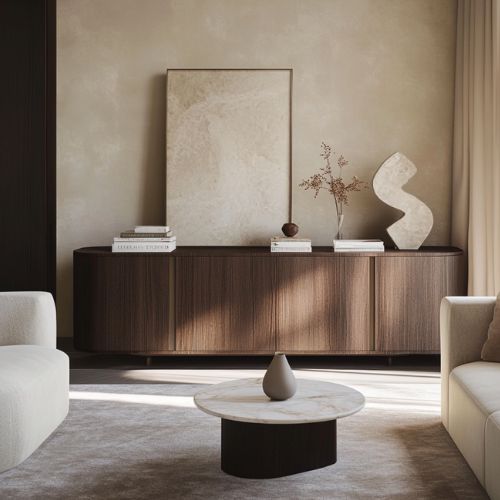
For those who appreciate clean lines and minimal detailing, a contemporary dark wood sideboard offers sophisticated restraint. These pieces often feature flush surfaces, integrated handles (or none at all) and innovative joining techniques that showcase modern craftsmanship. The beauty here lies in the subtlety—the grain of the wood becomes the decoration.
A contemporary dark wood sideboard might pair timber with materials like bronzed glass, natural stone, or brushed metals. These combinations create dialogue between materials that feels thoroughly modern while maintaining connection to traditional craft. In a recent project near Hampstead Heath, we positioned a streamlined walnut sideboard against a textured plaster wall—the contrast between the precise joinery and organic surface created exactly the tension we wanted.
Compact spaces need not miss out on the joy of a beautiful dark wood piece. A small dark wood sideboard can bring tremendous character to narrow dining areas, hallways, or even as bedside tables in guest rooms. These smaller pieces often feature more concentrated design elements—what might be spread across a larger piece becomes delightfully condensed.
In London flats where space comes at an extraordinary premium, I often recommend these scaled-down versions. They provide essential storage without overwhelming modest rooms. The trick is finding pieces with the same quality of materials and construction as their larger counterparts—compromising on craftsmanship is never advisable, regardless of dimensions.
When space permits, there's nothing quite like the presence of a large dark wood sideboard anchoring a dining room. These substantial pieces create balance in generous spaces and provide ample storage for complete dining services, table linens and serving pieces. Their horizontal planes establish strong architectural lines that help define areas in open-plan settings.
For clients with formal entertaining requirements, these larger pieces offer practical advantages beyond their aesthetic impact. A long dark wood sideboard provides serving surface during dinner parties, temporary display for food and drinks and afterward, everything can disappear behind those handsome doors. The best examples strike perfect balance between presence and proportion—commanding attention without dominating the room.
For truly grand spaces—think converted industrial buildings in Shoreditch or stately country homes—an extra large dark wood sideboard creates the ultimate statement. These monumental pieces often feature multiple sections, sometimes with varying heights or depths that create visual rhythm across their span. They transform blank walls into features and establish immediate architectural significance.
The scale of these pieces demands exceptional design consideration. Every detail must be perfectly resolved, as there's nowhere to hide imperfections on such a canvas. When commissioning bespoke extra-large pieces, I work closely with makers to ensure proportions remain elegant despite the scale—oversized doesn't mean ungainly.
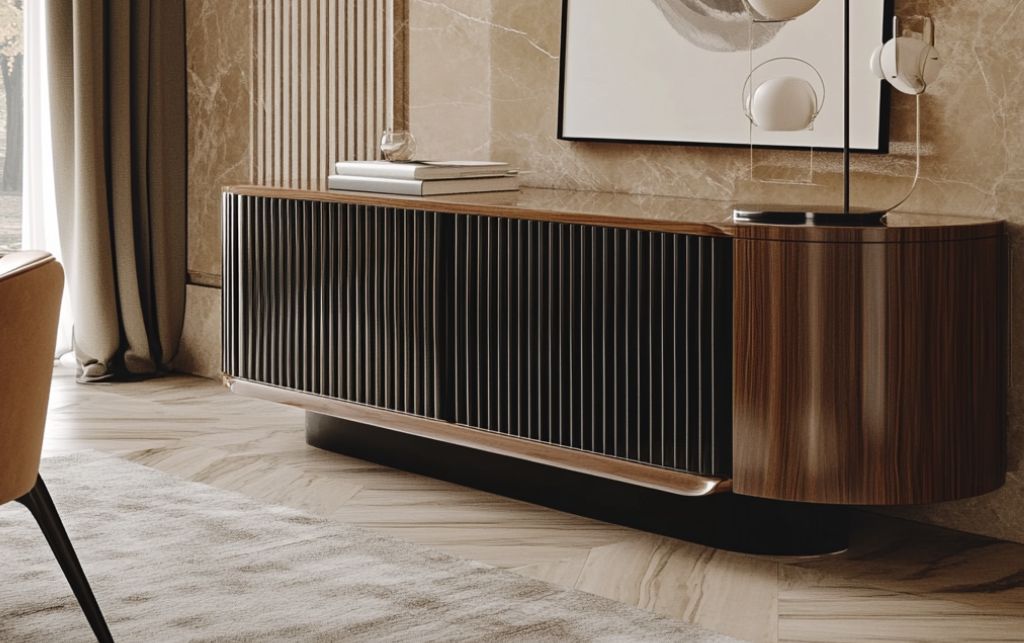
A beautiful dark wood sideboard with drawers deserves thoughtful styling that complements rather than competes with its inherent character. The approach varies depending on whether you're working with a rustic dark wood sideboard or something more refined, but certain principles remain constant. Consider the sideboard as a stage for objects that reflect your personality and enhance the overall room composition.
What many homeowners fail to appreciate until they've lived with a quality dark wood sideboard is its remarkable styling adaptability. In one Oxford residence, we repurposed a client's Gallotti&Radice sideboard across three different rooms over five years as their needs evolved.
Dark wood creates a neutral backdrop that accommodates seasonal styling shifts without requiring the piece itself to change. Whether displaying contemporary ceramics, antique silver, or holiday arrangements, the sideboard recedes appropriately while elevating whatever sits upon it.
This adaptability explains why interior designers consistently specify dark wood sideboards across diverse projects—they are the reliable supporting actors that make everything else in the room perform better.
The art of styling lies in creating harmonious arrangements that feel intentional without appearing contrived. Begin by considering the rule of odds—groupings of three or five objects generally create more interesting compositions than even numbers. Vary heights and volumes while maintaining conversation between pieces through colour, material, or thematic connections.
I typically advise creating asymmetrical balance rather than perfect symmetry, which can feel static. A tall lamp or substantial vase might anchor one end, while a collection of smaller objects creates equivalent visual weight at the other. The central portion often works beautifully for a horizontal element—perhaps a striking sculpture or an arrangement of art books.
Remember that negative space is as important as the objects themselves. Resist the temptation to cover every square inch—allow your gorgeous timber to breathe and remain visible.
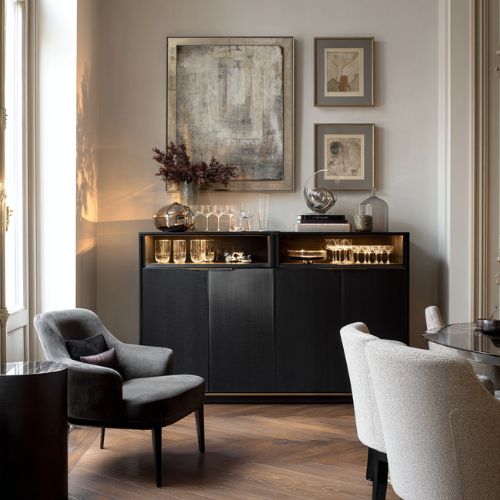
The rich tones of dark wood provide a magnificent foundation for exploring material contrasts. Consider incorporating elements like rough ceramics, polished metals, or natural stone to create textural dialogue. A dark wood and brass sideboard creates particularly magical interplay—the warm metals echoing and enhancing the honey undertones often present in darker timbers.
Glass objects create another fascinating dynamic, capturing and refracting light against the solid backdrop of timber. Try grouping clear or coloured vessels of varying heights, perhaps with a few stems of seasonal foliage. The transparency creates visual breathing room while introducing ephemeral qualities that complement the sideboard's permanence.
For those drawn to more dramatic statements, a dark wood and gold sideboard offers magnificent opportunities for continuation. Gilded picture frames, brass candlesticks, or vintage objects with gold detailing can extend this material conversation throughout the room—creating subtle connections that enhance overall coherence.
Understanding timber types and construction quality empowers better purchasing decisions when selecting your dark wood pieces. The substantial investment a fine sideboard represents deserves thorough consideration of materials and making.
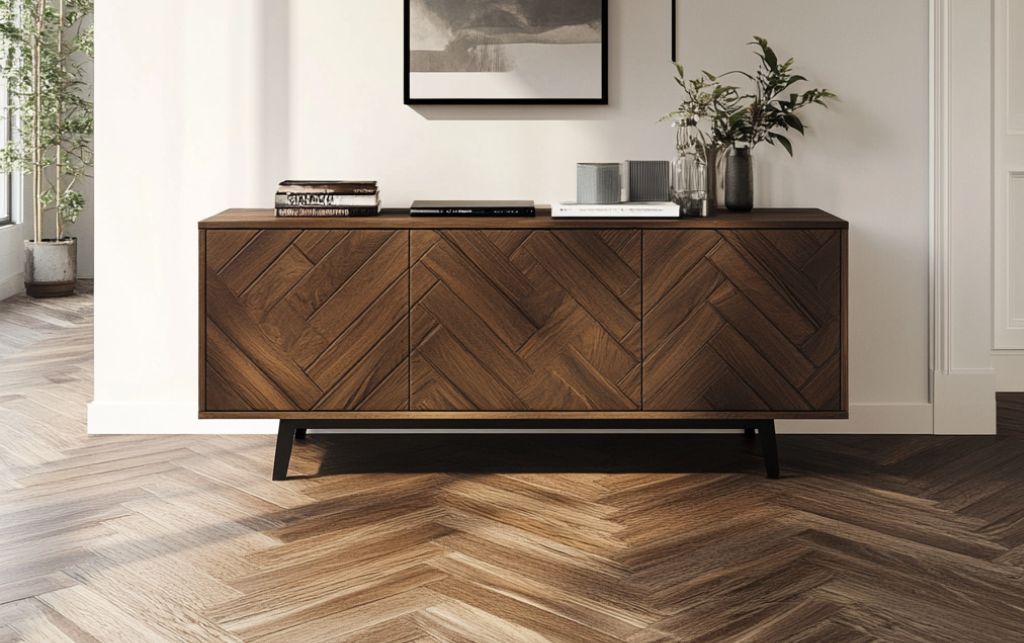
While "dark wood" encompasses many species, certain timbers have historical and aesthetic advantages for sideboard construction. Walnut remains perennially popular for its chocolate-to-purple undertones and distinctive grain patterns. Its natural lustre develops beautiful patina over decades, improving with age and use—a rather lovely metaphor, I've always thought.
Mahogany, with its reddish hue and exceptional stability, has been the timber of choice for fine furniture since the 18th century. Today's sources are typically plantation-grown or reclaimed, addressing sustainability concerns while maintaining the material's exceptional qualities. For contemporary interpretations, you might encounter dark grey wood sideboard finishes that maintain timber's natural character while introducing more neutral coloration.
Less commonly seen but equally magnificent are woods like rosewood (now strictly regulated), ebonised oak, or wenge. Each brings distinctive character—wenge with its almost black striations, rosewood with complex figuring and ebonised oak offering rich darkness with pronounced grain. A solid dark wood sideboard in any of these materials represents significant investment that will reward for generations.
Beyond beautiful timber lies the crucial matter of construction quality. Superior sideboards feature traditional joinery methods like dovetailed drawers, mortise and tenon joints and proper wood movement accommodation. Examine drawer interiors—finely crafted pieces often feature secondary woods like cedar or oak for internal components, with smooth-running drawer slides and perfectly fitted bottoms.
Door construction provides another quality indicator. Look for proper framing, panel construction that allows natural movement and precisely fitted hinges. When examining dark brown wood sideboard options, check that doors align perfectly and operate smoothly—signs of careful making and adjustment.
Finishes should enhance rather than disguise the material beneath. Hand-rubbed oil finishes allow direct connection to the timber, developing character over time. While lacquered surfaces offer greater protection, they should remain thin enough to maintain wood's natural depth and variation.
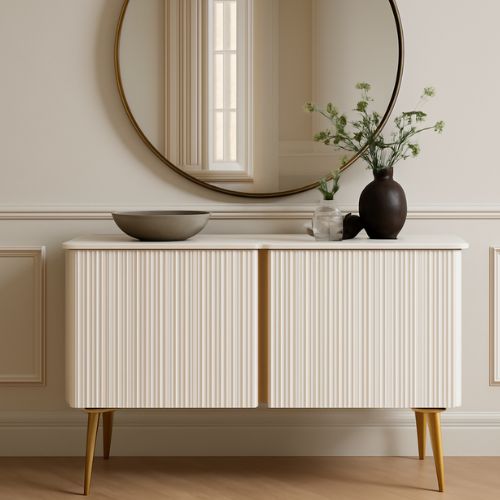
Today's finest sideboards often incorporate complementary materials alongside timber. A white sideboard with dark wood top offers practical advantages—the more durable timber surface protecting against marks and stains. Similarly, a white and dark wood sideboard might feature painted carcass with timber drawer fronts, creating visual lightness while maintaining natural beauty where it matters most.
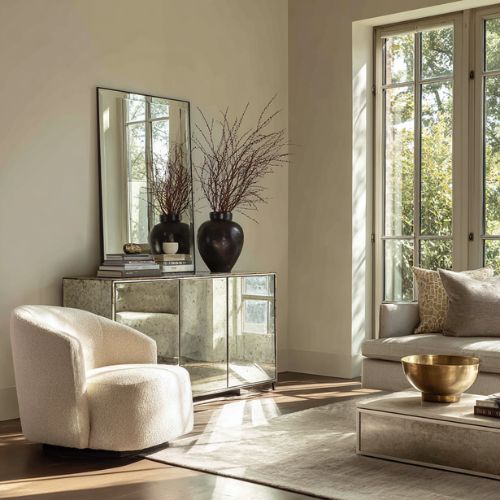
For those seeking more innovative combinations, consider how dark timber pairs with bronzed mirror, patinated metals, or textured leathers. A solid wood dark sideboard incorporating these elements bridges traditional craft with contemporary design sensibilities. These hybrid approaches often work brilliantly in transitional interiors where strictly traditional or relentlessly modern pieces might feel disconnected.
Like any significant design decision, selecting a dark wood sideboard involves weighing various factors. Understanding both advantages and potential challenges ensures appropriate choices for specific contexts.
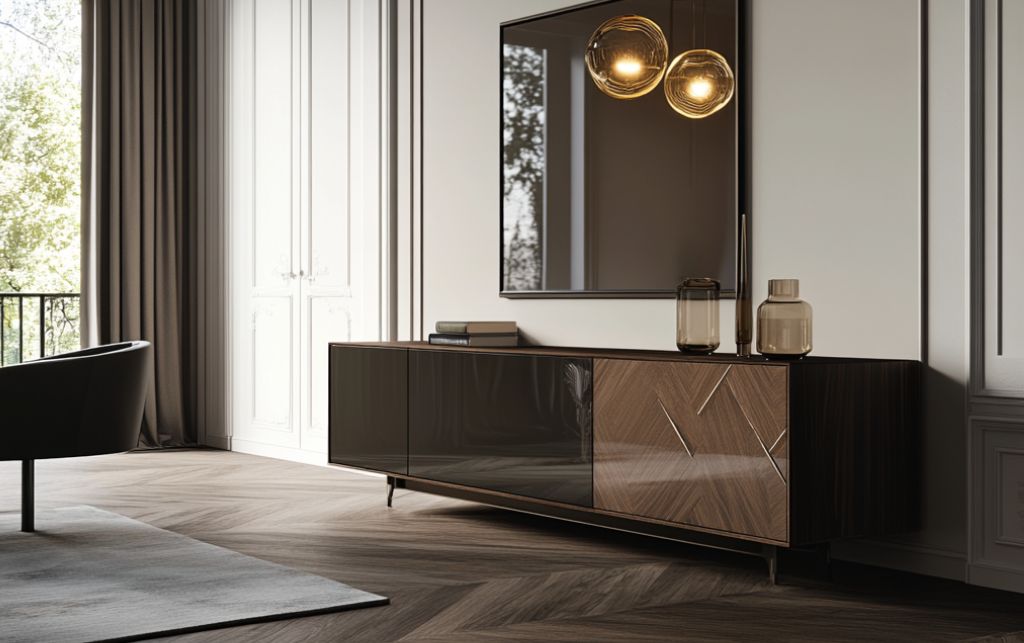
Dark wood pieces bring immediate gravitas and permanence to interiors. Unlike lighter timbers that can sometimes appear insubstantial, a rustic dark wood sideboard commands attention and anchors visual composition. This inherent weight makes these pieces particularly valuable in open-plan spaces that need architectural definition.
The versatility of dark timber across design styles represents another significant advantage. While a Scandinavian-inspired interior might favour bleached woods, dark timber works beautifully across traditional, contemporary, eclectic and even industrial schemes. This adaptability means your investment remains relevant through evolving tastes and changing homes.
Perhaps most compelling is the way dark wood develops character over time. Unlike manufactured materials that deteriorate, quality timber develops rich patina that records its history through subtle variations in colour and sheen. A dark wood rustic sideboard might arrive beautiful but becomes truly extraordinary after decades of respectful use.
Dark furniture requires thoughtful integration within overall lighting schemes. In rooms with limited natural illumination, ensure adequate ambient and accent lighting prevents pieces from appearing as black holes. Strategic lighting can transform potential challenges into opportunities—properly illuminated dark wood creates magnificent depth and dimension.
Scale considerations prove particularly important with darker pieces, which can visually occupy more space than lighter equivalents. In compact rooms, consider a small dark wood sideboard with elevated legs that allow sightlines underneath, creating sense of greater spaciousness. Alternatively, a dark wood modern sideboard with cleaner lines and less elaborate detailing might provide necessary visual lightness.
Quality dark wood furniture represents significant investment, both financially and environmentally. This consideration becomes advantage rather than limitation when viewing purchase as multi-generational acquisition rather than temporary solution. Unlike disposable furniture, a properly crafted dark wood piece appreciates rather than depreciates—both monetarily and aesthetically.
After guiding countless clients through the process of selecting luxury sideboards for their homes, I've distilled some essential principles worth sharing. These insights help navigate the sometimes overwhelming array of options available in the world of wood sideboards.
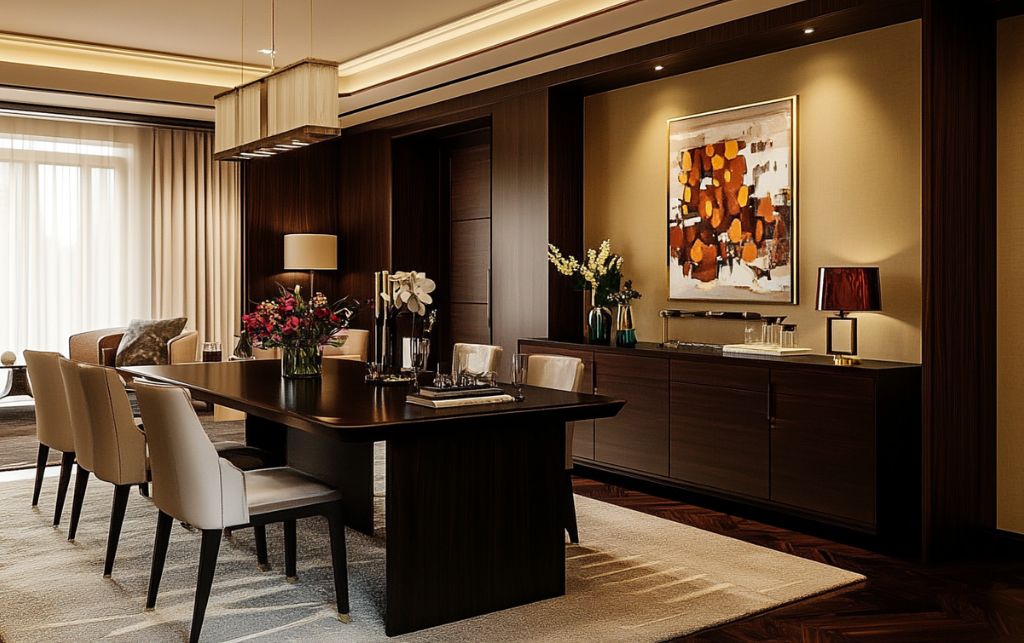
Perhaps the single most critical factor in successful sideboard selection is proportion relative to room size and adjacent furniture. As a rule of thumb, sideboards should occupy between 30-60% of the wall against which they sit—enough presence to anchor the space without overwhelming it. Height should relate sensibly to nearby pieces, typically falling below eye level to maintain comfortable sight lines.
Consider not just room dimensions but ceiling height—taller ceilings can accommodate more substantial pieces with elaborate cornices or architectural detailing. In a recent Oxford project featuring magnificent Georgian proportions, we selected a tall dark wood sideboard cabinet with substantial cornice detailing that engaged beautifully with the room's elaborate ceiling medallions.
Ensure adequate clearance for comfortable circulation—nothing undermines a beautiful piece like awkward navigation around it. Drawers and doors need proper operational space, particularly important in narrower areas like hallways or compact dining rooms.
While dark wood offers remarkable versatility, thoughtful integration enhances its impact. Consider how other timber elements in your interior relate—while exact matching often feels contrived, establishing dialogue through complementary undertones creates cohesion. A contemporary dark wood sideboard might relate to darker flooring elements through similar colour temperature rather than identical species.
Hardware selection presents opportunities for connecting sideboard to broader design elements. Brass handles might echo lighting fixtures, while iron hardware could reference window treatments or architectural details. These connections, though subtle, create sophisticated visual conversation between elements.
The wall treatment behind your sideboard deserves equal consideration. Dark pieces stand magnificently against lighter backgrounds, while more dramatic backdrops like deep-coloured walls or textured wallcoverings create sophisticated tension. In one of my favourite projects, I positioned a dramatic long dark wood sideboard against hand-painted de Gournay wallpaper—the juxtaposition of structured furniture against organic pattern created magnificent dynamic tension.
Selecting the perfect dark wood sideboard represents one of those delightful intersections where practicality and beauty converge harmoniously. These pieces offer not merely storage and display but become fundamental to how we experience our most important spaces. Their presence creates immediate gravitas while establishing magnificent foundation for personal expression.
The enduring appeal of dark timber lies partly in its remarkable adaptability across contexts and periods.
From classically detailed pieces that reference historical precedents to streamlined contemporary interpretations that feel thoroughly of-the-moment, the breadth of expression available ensures something appropriate for every sensibility. Whether you're drawn to a traditional dark wood buffet sideboard or the clean lines of dark wood modern sideboard designs, quality craftsmanship remains the non-negotiable constant.
As you consider your own selection, remember that truly exceptional pieces transcend trends to become legacy items passed between generations.
The sideboard you select today might well grace your grandchildren's homes decades hence—a rather lovely thought that puts our sometimes feverish concern with current fashions into proper perspective. Choose wisely, live with it beautifully and enjoy the evolving relationship with a piece that will only improve with time.
We help designers & clients transform mundane spaces into extraordinary ones.


Book a video consultation and we'll advise you on furniture, space planning, colour schemes and much more.
Book A ConsultationBook a visit to our stunning, multi award-winning, 30,000 sqft.
Over 700 brands under 1 roof.
Most Popular on FCI London: Fitted Wardrobes | Luxury Designer Rugs | Luxury Sofas | Luxury Furniture Store | Luxury Interior Designers | Luxury Bedroom Furniture | Luxury Modern Chairs | Luxury Coffee Tables | Luxury Designer Kitchens | Luxury TV Units | Luxury Dining Tables | Luxury Storage Solutions | Luxury Sideboards | Luxury Stools & Bar Stools | Luxury Bespoke Joinery | Luxury Modern Hallway Furniture | Furniture Showroom Appointment | Luxury Lighting | Modern Luxury Outdoor Furniture
Transparency isn’t a policy. It’s a principle.
Have a peek at what our clients really have to say.